
The Price She Paid
1924
No user ratings available yet
Representation score: 0.6 out of 10
Representation Score
Minimal
1930
NRDirector
Phil Rosen
Runtime
71 minutes
Average Rating
No ratings yetNew Showbiz Analysis
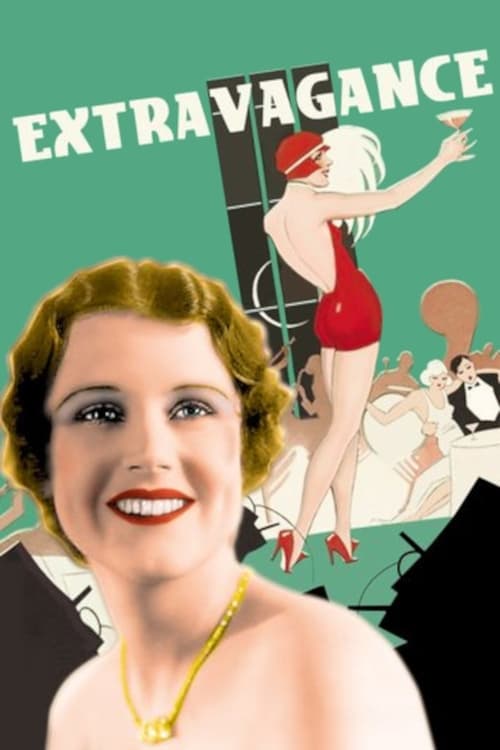
Extravagance is a period-typical social melodrama that adheres to the established hierarchies of 1930s cinema. The narrative focuses on the internal friction of a specific socioeconomic class, emphasizing material desire and domestic conflict. The film operates within standard dramatic formulas, prioritizing the preservation of social status. It lacks the structural elements necessary to disrupt social norms or offer perspectives that reflect multiple aspects of identity. Ultimately, the work functions as a study of class tension and economic instability within a very narrow, traditional framework.
Category Breakdown
The film focuses on a traditional heterosexual marriage. There is no evidence of non-straight relationships or narratives that challenge the idea that everyone is straight.
Alice exerts influence through material demands, while Fred occupies the traditional provider role. The film reinforces conventional gender roles of the era rather than challenging them.
The story centers on a specific Western social class. The narrative suggests a homogeneous environment without the inclusion of different racial perspectives.
The drama explores class and capitalism through a traditional lens. It focuses on maintaining a specific social set rather than critiquing Western institutions.
There is no mention of characters with visible or invisible disabilities. Disability does not appear to be used as a narrative device.
Present on Screen
Limited or Absent
Official Synopsis
Alice Kendall is the darling of her social set, the sons and daughters of millionaires, although Alice's mother has impoverished herself to provide Alice with the luxuries she expects as her right. Mom blows what's left of her fortune to provide the best trousseau that money can buy when Alice marries Fred Garlan, and then wishes Fred lots of luck. Now, Alice is trying to coax Fred into buying her a new sable coat while Fred is busily trying to borrow enough money to keep his business afloat.
1924

1930
1930
1938
1932

1933
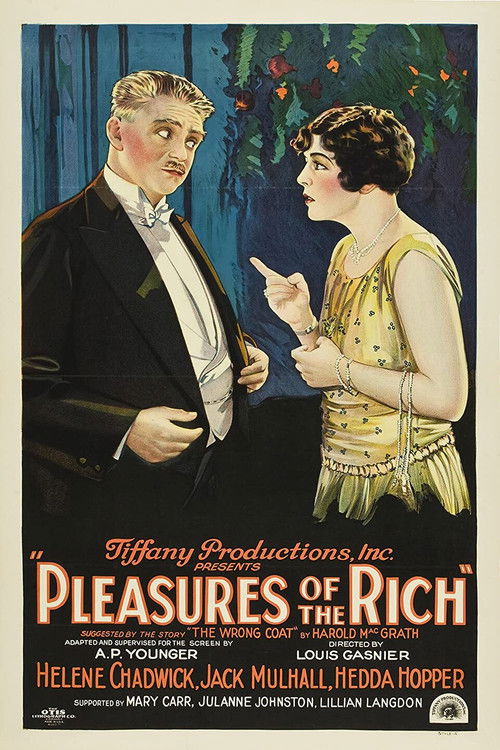
1926
1942
No reviews yet. Be the first to share your thoughts on this movie!
Use the rating form above to leave a star rating and optional review.