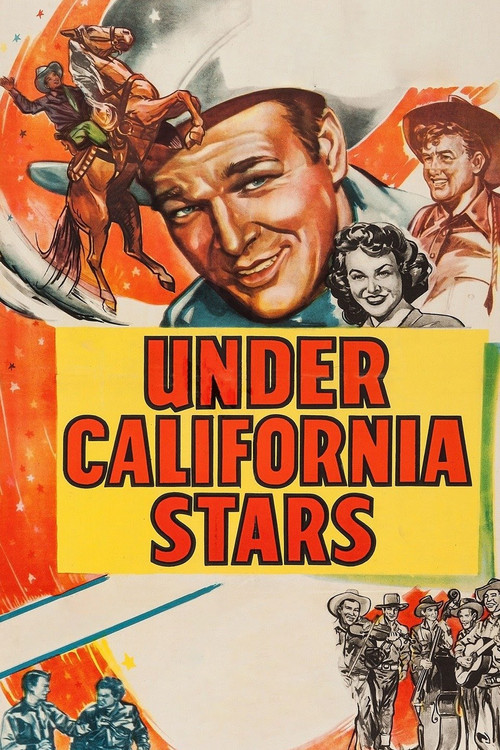
Under California Stars
1948
No user ratings available yet
Diversity score: 2.5 out of 10
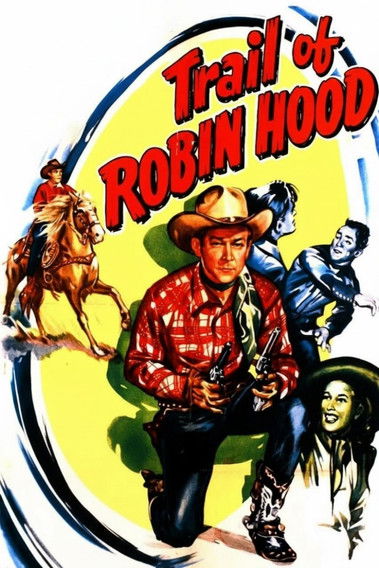
1950
PassedDirector
William Witney
Runtime
67 minutes
Average Rating
No ratings yetSynopsis
Retired actor Jack Holt is raising Christmas trees for sale at a cost which permits every family to have one. A commercial tree company tries to drive Holt out of business. Roy saves the day, of course.
Overall Score
Limited
Category Breakdown
LGBTQ+ Representation
The film lacks any depiction of non-heteronormative identities or same-sex intimacy. It adheres to the traditional interpersonal dynamics typical of 1950s Westerns.
Gender Representation
Narrative agency is concentrated in male protagonists Jack Holt and Roy. The story reinforces mid-century tropes of masculine protection and traditional gender hierarchies.
Racial & Ethnic Diversity
The plot focuses on a localized community conflict without highlighting diverse ethnic casting. It appears to follow the standard Anglo-centric casting practices of its era.
Religious & Cultural Diversity
The story emphasizes traditional Western values like communal altruism and individual merit. It frames morality through a standard conflict between small-scale commerce and predatory capitalism.
Disability Representation
There is no evidence of characters with physical or neurodivergent disabilities. The narrative does not address disability representation.
Strengths
Areas for Improvement
AI Analysis
Trail of Robin Hood is a conventional mid-century Western that prioritizes established social hierarchies and traditional moral archetypes. The plot follows a restorative arc where a singular hero resolves a conflict between communal altruism and commercial interests. The film relies on standard genre conventions of the 1950s, focusing on masculine agency and traditional community values. It lacks significant representation of diverse identities, instead centering on a narrow, traditionalist worldview. Ultimately, the film serves as a period-typical genre piece that reinforces rather than challenges the social norms of its time.
1948
1942
1951
1955
1952
1950
1946
1950
1943
1942
1948
1947
No reviews yet. Be the first to share your thoughts on this movie!
Use the rating form above to leave a star rating and optional review.