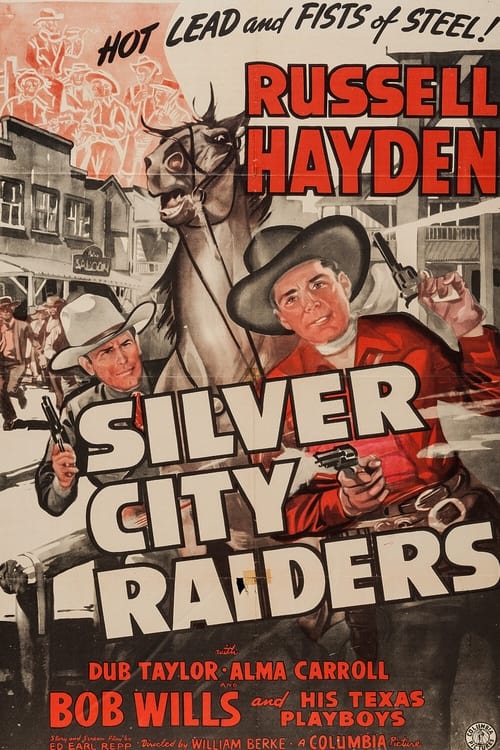
Silver City Raiders
1943
No user ratings available yet
Representation score: 1.7 out of 10
Representation Score
Minimal
1943
ApprovedDirector
William Berke
Runtime
54 minutes
Average Rating
No ratings yetNew Showbiz Analysis
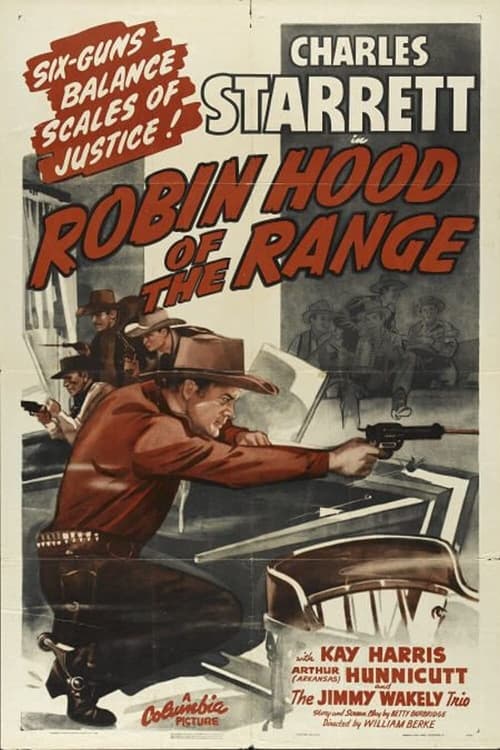
Robin Hood of the Range is a quintessential product of its era, prioritizing established Western clichés over social complexity. The narrative centers on a singular male hero, Steve Marlowe, whose vigilantism serves as the primary driver of justice against railroad corruption. While the film offers a critique of systemic corruption and the misuse of institutional power, it does so through a narrow, traditional lens. The lack of demographic breadth and adherence to mid-century social hierarchies result in a very low diversity profile. Ultimately, the film functions as a standard morality tale, reinforcing the status quo of the 1940s studio system rather than challenging the social or cultural boundaries of the American Old West.
Category Breakdown
The film adheres to the conventional structures typical of 1940s B-Westerns, focusing on straight relationships and ignoring non-cisgender identities or same-sex intimacy.
The narrative focuses almost entirely on the male protagonist, Steve Marlowe, who drives the story through traditional masculine archetypes.
The casting reflects a homogeneous demographic consistent with 1943 production standards, lacking meaningful racial or ethnic diversity.
The plot critiques systemic corruption through a traditional morality tale featuring a righteous outlaw, avoiding modern critiques.
The film does not feature any characters with visible or invisible disabilities, nor does it address neurodivergence or physical impairments.
Present on Screen
Limited or Absent
Official Synopsis
Inasmuch as western star Charles Starrett gained screen fame as the Robin Hood-like "Durango Kid", it stands to reason that Starrett would head the cast of Robin Hood of the Range. The star plays Steve Marlowe, the foster son of railroad manager Henry Marlowe (Kenneth McDonald). When it becomes apparent that the railroad is using underhanded methods to drive local homesteaders off their land, Steve adopts the guise of "The Vulcan", a legendary champion of justice.
1943
1940
1945
1939
1948

1939
1944
1942
No reviews yet. Be the first to share your thoughts on this movie!
Use the rating form above to leave a star rating and optional review.