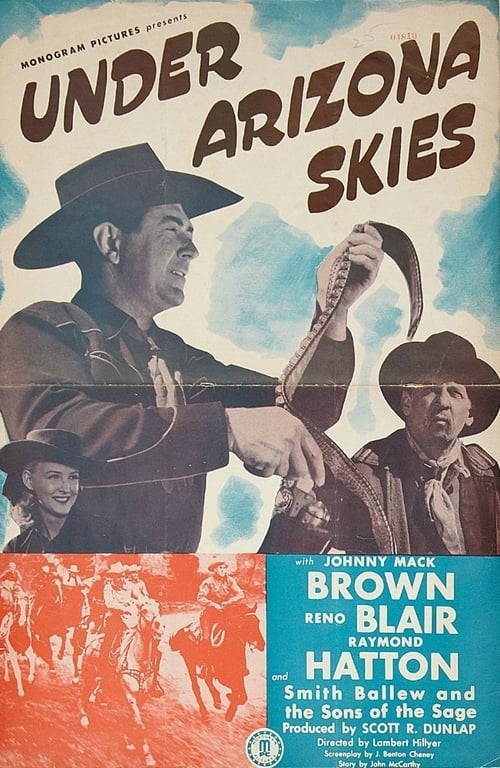
Under Arizona Skies
1946
No user ratings available yet
Representation score: 0.6 out of 10
Representation Score
Minimal
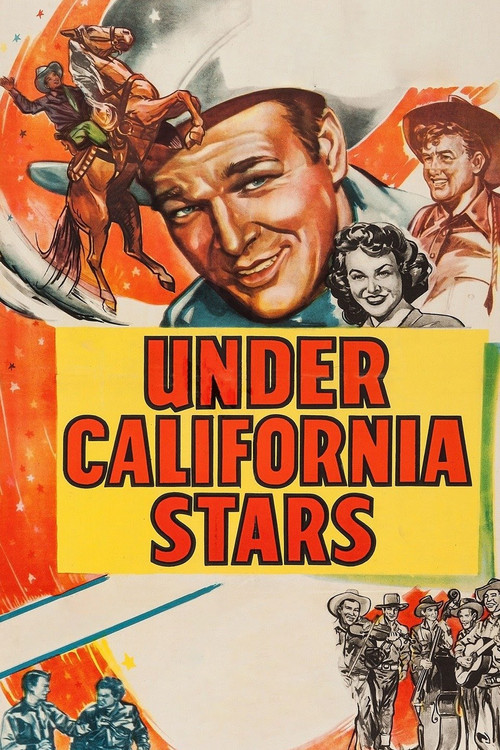
1948
NRDirector
William Witney
Runtime
70 minutes
Average Rating
No ratings yetNew Showbiz Analysis
Under California Stars is a quintessential mid-century B-Western that prioritizes genre clichés over social complexity. The narrative relies on established archetypes, focusing on a masculine hero navigating a conflict of property and ransom. The film reflects 1948 cultural norms, emphasizing traditional hierarchies. It lacks any intentional effort to disrupt the era's standard expectations regarding gender, race, or identity. Ultimately, the production adheres to the standardized moral dichotomies and social structures typical of the Western genre during this period.
Category Breakdown
The film does not include any LGBTQ+ characters or non-straight relationships. The story centers around a traditional male protagonist dealing with property and guardianship issues.
Male characters, including the protagonist and the rustlers, drive the plot. The narrative emphasizes the heroic frontiersman cliché with minimal female involvement.
The film adheres to the standard 1940s Western conventions, featuring a predominantly white cast. There is no indication of diverse casting.
The story upholds traditional Western values such as property protection and individual justice. It promotes established social and moral structures of the frontier era.
There is no information regarding the portrayal of characters with physical or neurodivergent disabilities.
Present on Screen
Limited or Absent
Official Synopsis
On vacation at his ranch, western actor Roy quickly finds himself involved with a horse rustling operation and a boy ward of one of the rustlers, leading to the kidnapping of Roy's trick horse Trigger by the gang with a demand for ransom.
1946
1960
1951

1957
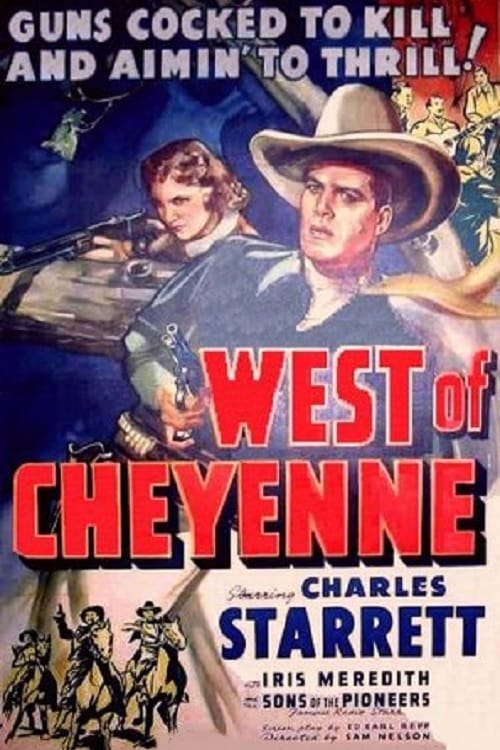
1938

1939
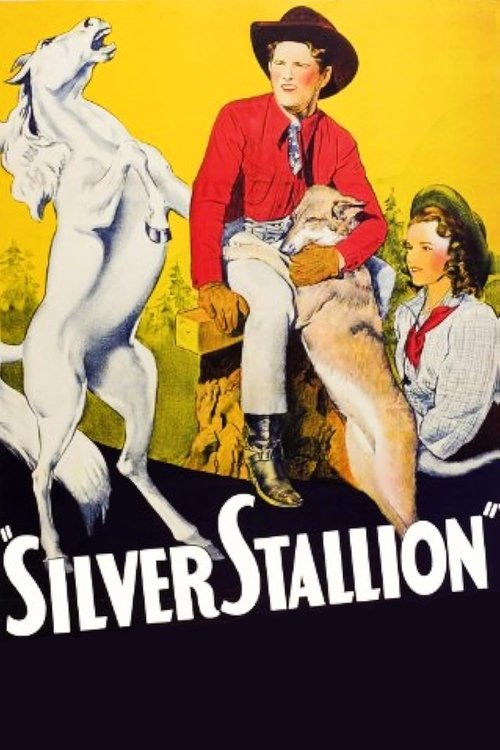
1941
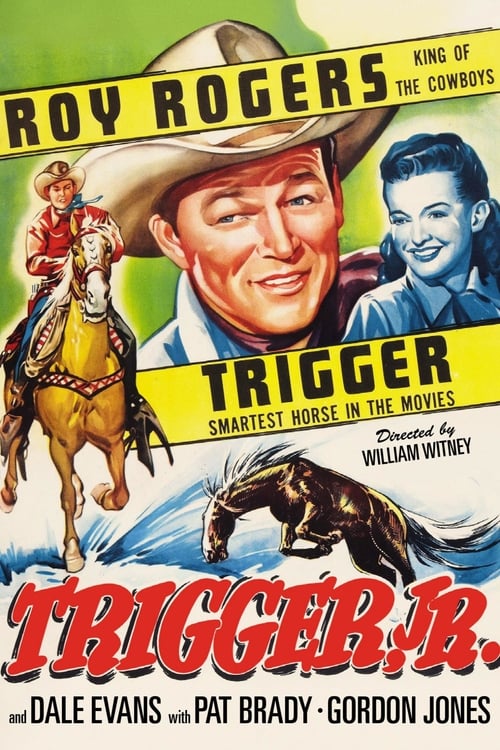
1950
No reviews yet. Be the first to share your thoughts on this movie!
Use the rating form above to leave a star rating and optional review.