The Lover
1992
No user ratings available yet
Diversity score: 6.8 out of 10

1927
Director
Hou Yao
Runtime
59 minutes
Average Rating
No ratings yetSynopsis
Based on the classic Chinese play Romance of the Western Chamber, Way Down West follows the love story between a poor scholar and wealthy woman. Unable to marry due to their social status, this changes when a bandit attacks the monastery they are staying at demanding the woman's hand. Desperate, her mother promises her hand to whomever manages to defeat the bandit.
Overall Score
Good
Category Breakdown
LGBTQ+ Representation
The story follows a heteronormative romantic arc between a scholar and a wealthy woman. It lacks specific non-cisnormative markers, though it challenges rigid social structures through romantic pursuit.
Gender Representation
The film disrupts female passivity by centering the plot on a woman facing external threats. The central conflict shifts courtship from a static patriarchal arrangement to a dynamic social negotiation.
Racial & Ethnic Diversity
This production offers a non-Western-centric perspective by utilizing a classic Chinese literary foundation. It provides a culturally specific narrative that departs from dominant 1920s Western cinematic norms.
Religious & Cultural Diversity
The narrative critiques class-based hierarchies through the tension between a poor scholar and a wealthy woman. It uses social disruption as a catalyst for personal liberation.
Disability Representation
There is no evidence regarding the portrayal of physical or neurodivergent disabilities in this work.
Strengths
Areas for Improvement
AI Analysis
Hou Yao’s film is a significant cultural artifact that bridges traditional Chinese storytelling with modern cinematic techniques. By grounding the drama in the classic 'Romance of the Western Chamber,' the film provides a vital non-Western perspective during an era dominated by Anglo-Saxon narratives. The film excels in its cultural specificity and its willingness to critique class-based social hierarchies. While the romantic core remains traditional, the narrative architecture allows for a more dynamic exploration of agency and social negotiation than many contemporary films of the 1920s. However, the film remains limited by its adherence to heteronormative romantic structures and a lack of visible representation for LGBTQ+ identities or disabilities. It functions primarily as a study of class and gendered agency within a specific cultural framework.
1992
1932
1997
1936
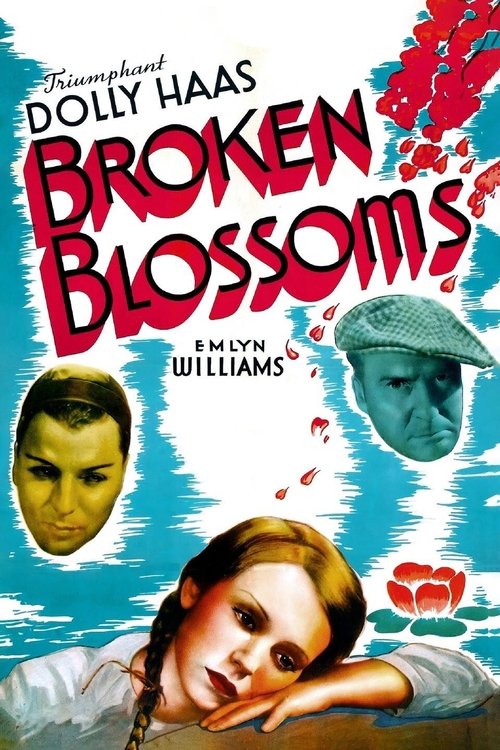
1936
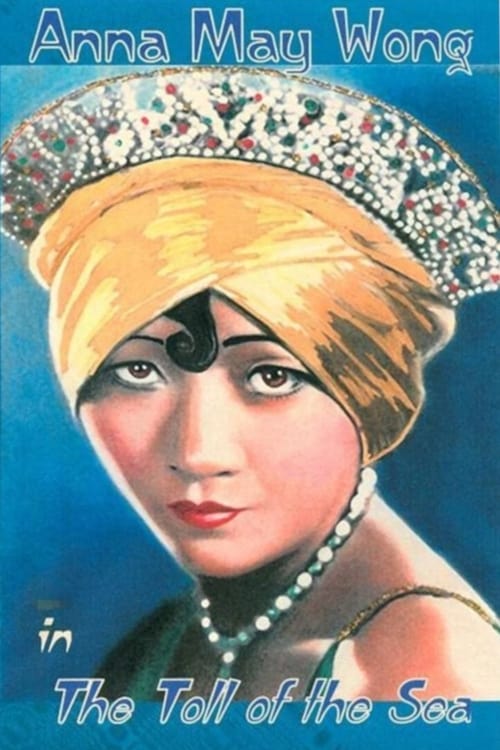
1923
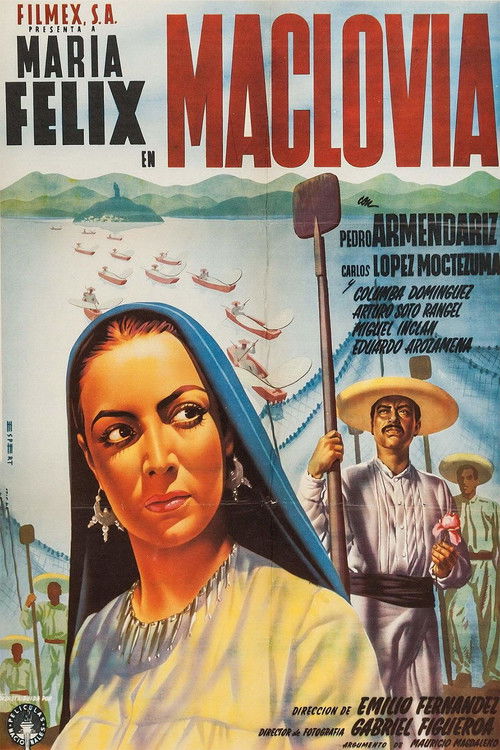
1948
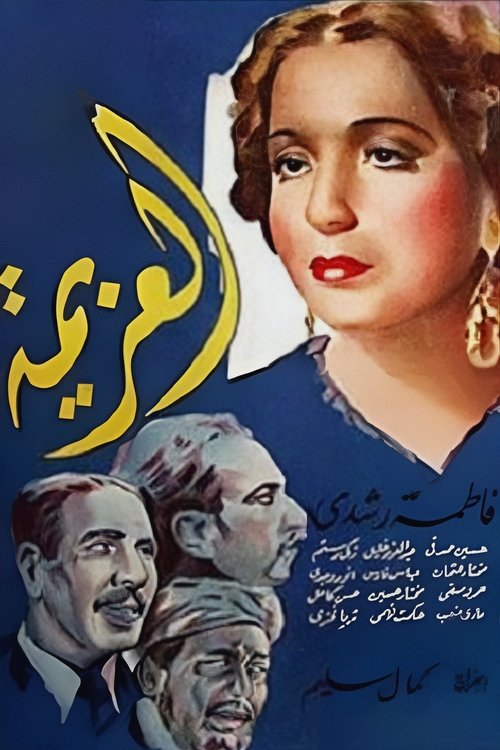
1939
1927
1937
1939
1945
No reviews yet. Be the first to share your thoughts on this movie!
Use the rating form above to leave a star rating and optional review.