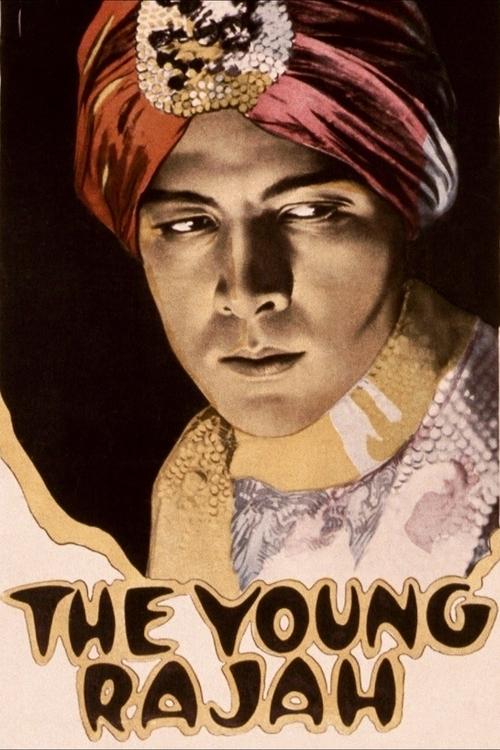
The Young Rajah
1922
No user ratings available yet
Diversity score: 3.4 out of 10

1927
PassedDirector
William Nigh
Runtime
91 minutes
Average Rating
No ratings yetSynopsis
When Mandarin Wu's unmarried daughter becomes pregnant by a young Englishman, he seeks vengeance.
Overall Score
Fair
Category Breakdown
LGBTQ+ Representation
The film lacks any depiction of non-heteronormative identities or same-sex intimacy. The story focuses strictly on a traditional romantic conflict between an Englishman and a Chinese woman.
Gender Representation
While the daughter's pregnancy drives the plot, the narrative agency belongs to the father. The story centers on a patriarchal response to female actions rather than female autonomy.
Racial & Ethnic Diversity
The film breaks 1920s Hollywood norms by centering on a Mandarin protagonist. It uses the tension between Chinese honor and Western intrusion to drive its dramatic stakes.
Religious & Cultural Diversity
The narrative explores the friction between Eastern and Western social mores. It utilizes themes of familial duty and vengeance to challenge the era's standard Western-centric moralities.
Disability Representation
There is no evidence of characters with visible or invisible disabilities in the film's documentation.
Strengths
Areas for Improvement
AI Analysis
Mr. Wu stands as a notable departure from the Eurocentric storytelling typical of the silent era. By elevating a Chinese protagonist to a position of narrative importance, the film provides a degree of meaningful representation for 1927. However, the film's progressive potential is tempered by its reliance on traditional patriarchal structures. The central conflict is defined by a father's pursuit of vengeance, which limits the agency of the female characters. Ultimately, the film serves as a moderate example of early cross-cultural storytelling. It succeeds in diversifying the protagonist's background but remains bound by the conservative social frameworks of its time.
1922

1928
1923
1939
1929

1929
1925

1917
1932
1923
1936

1929
No reviews yet. Be the first to share your thoughts on this movie!
Use the rating form above to leave a star rating and optional review.