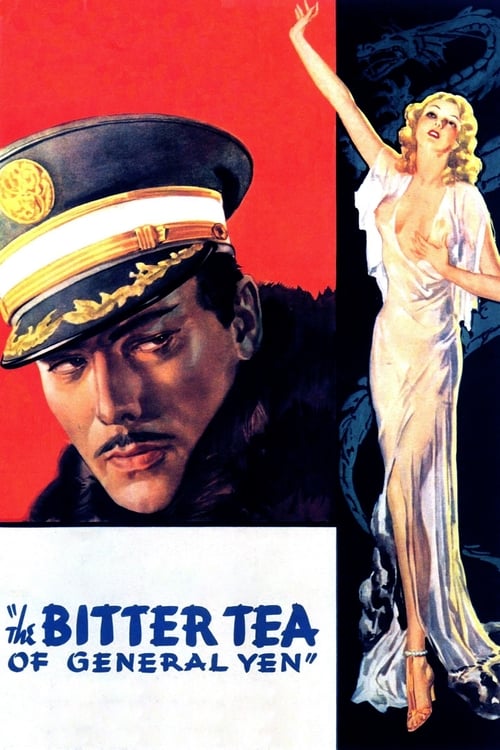
The Bitter Tea of General Yen
1932
No user ratings available yet
Representation score: 4.0 out of 10
Representation Score
Limited
1936
ApprovedDirector
Frank Tang
Average Rating
No ratings yetNew Showbiz Analysis
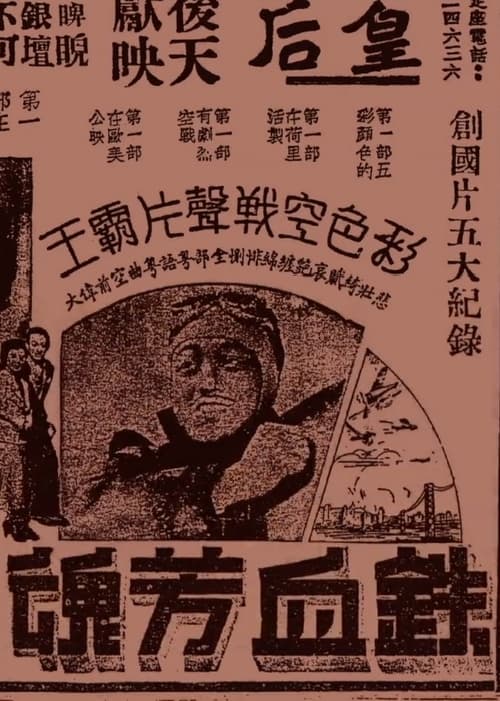
Heartaches stands out as a unique 1930s drama that centers Asian characters within a Western urban environment. By focusing on a Chinese-American aviator and an opera singer, the film moves away from the era's typical homogeneous casting. The narrative effectively uses a romantic framework to explore systemic issues such as citizenship and the vulnerability of immigrants. The tension between personal desires and institutional control adds layers of social complexity. While the film offers strong ethnic representation, it remains influenced by traditional gender hierarchies. The female lead’s autonomy is challenged by male institutional power, limiting her ability to act independently.
Category Breakdown
The film does not include any characters who identify as LGBTQ+ or have non-cisgender identities. The main storyline revolves around a traditional romance between an aviator and an opera singer.
Fan, the female lead, has professional independence as an opera singer. However, her ability to act independently is threatened by a male character who tries to control her career and movement.
The film focuses on Chinese-American and Chinese characters set in San Francisco. This breaks 1930s cinematic norms by featuring Asian protagonists at the center of the story.
The story explores the tension between Eastern cultural identities and Western settings. It highlights the precarious situation of immigrants facing the threat of forced relocation.
There are no characters with visible or invisible disabilities in the film.
Present on Screen
Limited or Absent
Official Synopsis
A Chinese-American aviator falls in love with an opera star named Fan in San Francisco. A jealous theater manager named Jung intervenes, threatening to send the opera star back to China
1932
1952
1965

1959

1934
1939
1923
1935
No reviews yet. Be the first to share your thoughts on this movie!
Use the rating form above to leave a star rating and optional review.