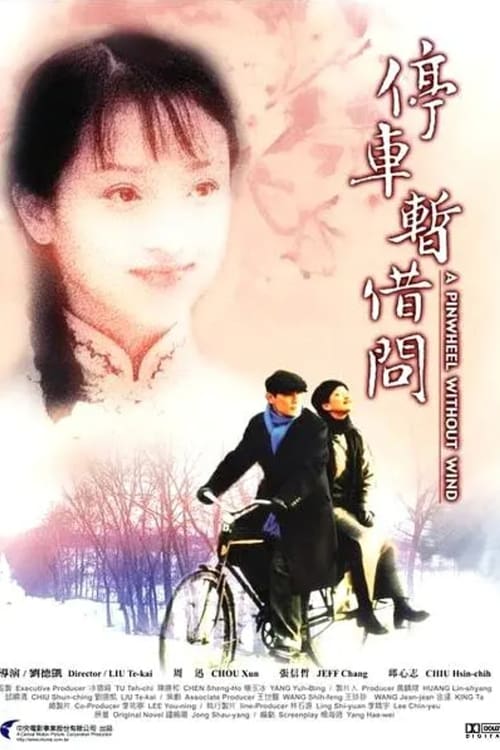
A Pinwheel Without Wind
2002
No user ratings available yet
Representation score: 5.0 out of 10
Representation Score
Fair
1997
Director
Ann Hui
Runtime
126 minutes
Average Rating
No ratings yetNew Showbiz Analysis
Ann Hui’s drama offers a sophisticated look at historical realism through a character-driven lens. By focusing on a female protagonist's ability to drive the story within 1930s Shanghai, the film goes beyond simple romantic clichés to explore socioeconomic pressures. The film excels in its cultural specificity and its refusal to adopt a Western-centric perspective. However, it lacks diverse representations, particularly regarding LGBTQ+ identities and disability.
Category Breakdown
The story revolves around a traditional romance between a female office worker and a male factory worker. There are no clear representations of LGBTQ+ identities or non-cisgender narratives in the plot.
The film centers on a female protagonist who navigates the socioeconomic challenges of 1930s Shanghai. She has significant control over her romantic and professional decisions, challenging traditional patriarchal structures.
Set in Shanghai, the film provides a deep immersion into a specific Chinese cultural environment. Although the cast is ethnically uniform, it avoids a Western-centric viewpoint.
The story examines how historical changes and systemic shifts affect individual morality. It highlights the struggles of the working class against unstable traditional structures.
There is no specific depiction of physical or neurodivergent disabilities in the narrative.
Present on Screen
Limited or Absent
Official Synopsis
In 1930s Shanghai, a young office girl falls in love with a factory worker in the same company.
2002
1986
2001
1996
2005
1932

2001
2002
No reviews yet. Be the first to share your thoughts on this movie!
Use the rating form above to leave a star rating and optional review.