Shopworn
1932
No user ratings available yet
Representation score: 2.7 out of 10
Representation Score
Fair
1937
ApprovedDirector
Yakov Protazanov
Runtime
81 minutes
Average Rating
No ratings yetNew Showbiz Analysis
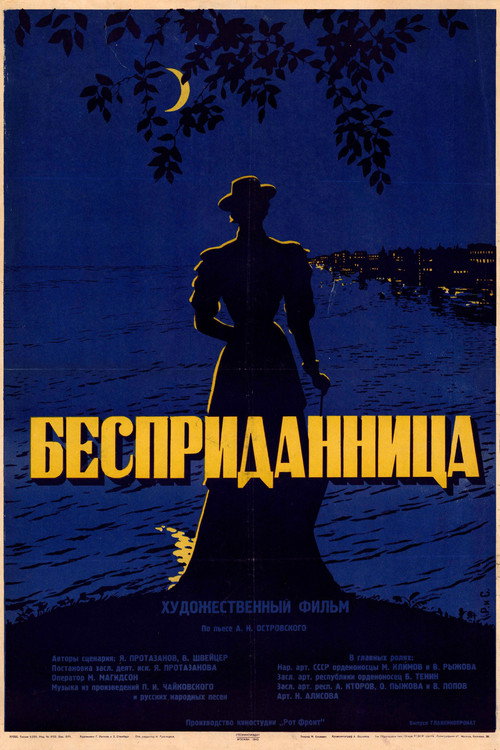
Protazanov’s drama serves as a critique of transactional social hierarchies. Its primary strength lies in the portrayal of women's ability to drive the story, where the protagonist resists the commodification of women within a rigid socioeconomic framework. However, the film lacks depth in exploring racial, ethnic, or LGBTQ+ identities. While it effectively critiques class and gender issues, it does not delve into broader demographic representation. Ultimately, the work succeeds as a social critique of patriarchal expectations, though it remains narrow in its demographic focus.
Category Breakdown
The film does not explicitly address non-straight relationships or same-sex intimacy. The plot centers around resisting arranged marriages rather than exploring queer identities.
Ogudolova challenges traditional gender roles by asserting her independence against maternal and societal pressures. She prioritizes personal freedom over the expected submissive role of a dowry-providing daughter.
The narrative emphasizes class differences rather than racial diversity. There is no explicit mention of multi-ethnic or non-Anglo-Saxon casting.
The story critiques the corrupting influence of wealth and traditional social structures. It presents the pursuit of a dowry as a moral conflict against capitalist social dynamics.
There is no indication of characters with visible or invisible disabilities in the synopsis.
Present on Screen
Limited or Absent
Official Synopsis
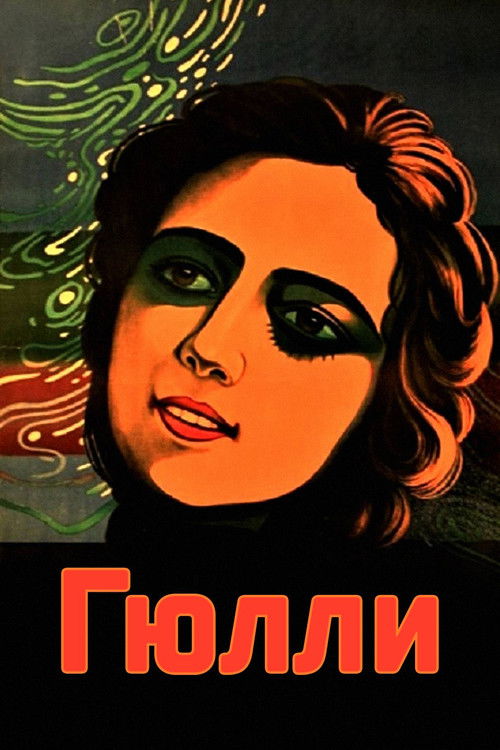
Larisa Ogudalova, unlike her sisters, refuses to obey her mother's wish that she marry a wealthy old man in order to collect a dowry
1932
1920
1932
1937
1928
1938
1927
1938
No reviews yet. Be the first to share your thoughts on this movie!
Use the rating form above to leave a star rating and optional review.