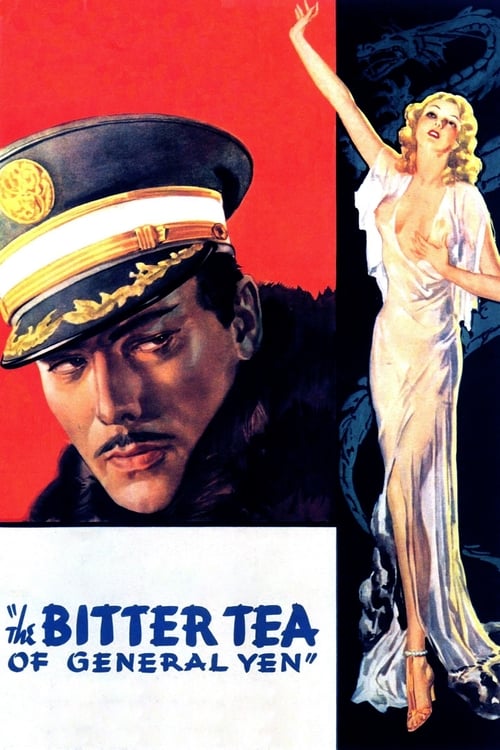
The Bitter Tea of General Yen
1932
No user ratings available yet
Representation score: 4.0 out of 10
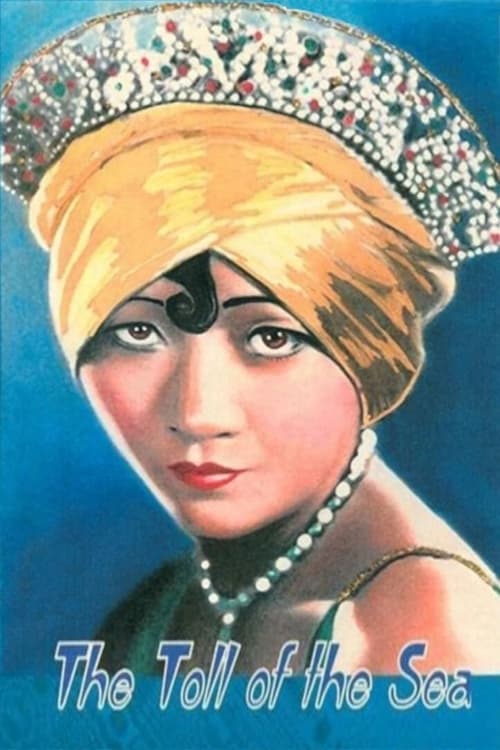
Representation Score
Limited
1923
UnratedDirector
Chester M. Franklin
Runtime
54 minutes
Average Rating
No ratings yetNew Showbiz Analysis
The film serves as a historical transition piece. By centering a non-Western protagonist and cast, it breaks away from the white-centric storytelling of the 1920s, enhancing its racial diversity score. However, the film still adheres to the era's melodramatic conventions. Gender representation is limited by traditional clichés of female suffering, despite granting the protagonist emotional depth. Overall, the film reflects a balance between progressive casting and traditional narrative structures. It lacks modern multi-layered complexity but marks a significant shift from the homogeneity of its time.
Category Breakdown
The film does not include any characters with LGBTQ+ identities or subtexts. It follows a traditional romantic storyline between a man and a woman.
Hana's emotional journey and her significant role in driving the narrative are highlighted. Despite using 1920s clichés of female suffering, the film emphasizes her perspective and personal sacrifices.
The film features an all-Japanese cast and a non-Western setting, diverging from the typical Anglo-Saxon representation of the 1920s era.
The story focuses on individual moral struggles and tragic choices without promoting a single Western morality. It highlights a localized, tragic conflict.
There are no characters with visible or invisible disabilities featured in the narrative.
Present on Screen
Limited or Absent
Official Synopsis
A young Chinese woman saves an American man washed up onto the shore and the two fall in love, only for him to have second thoughts.
1932

1951
1936
1919

1934

1935
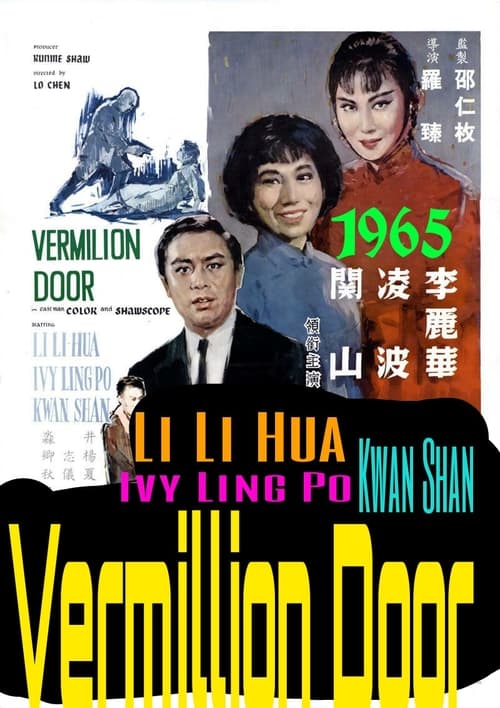
1965
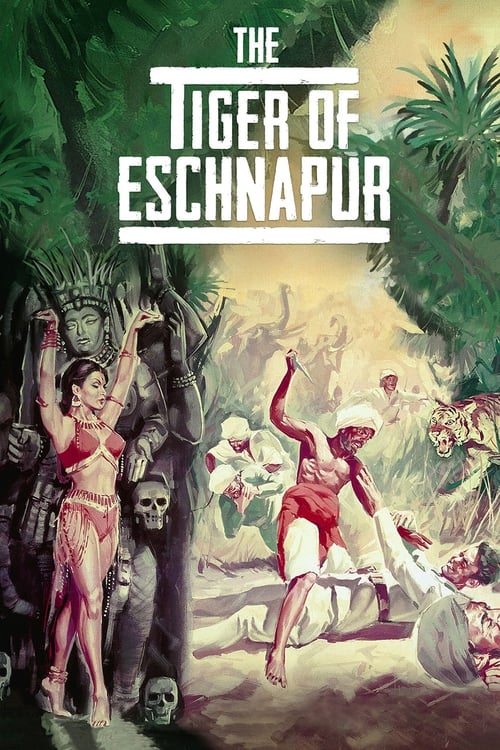
1959
No reviews yet. Be the first to share your thoughts on this movie!
Use the rating form above to leave a star rating and optional review.