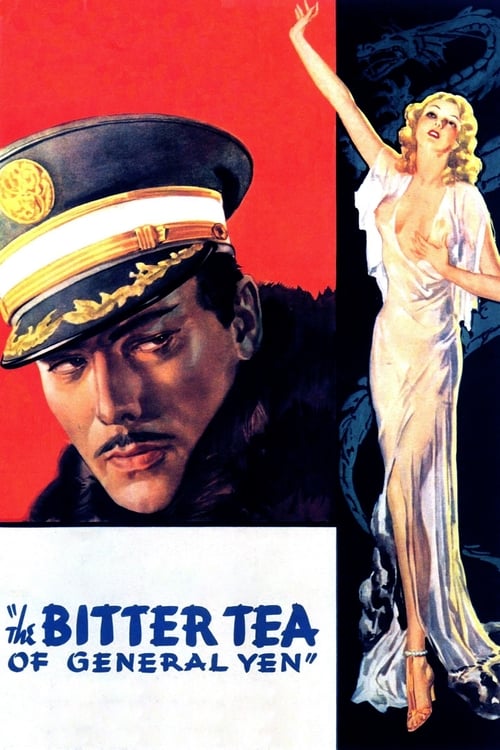
The Bitter Tea of General Yen
1932
No user ratings available yet
Representation score: 4.0 out of 10
Representation Score
Limited
1936
Director
John Brahm
Runtime
84 minutes
Average Rating
No ratings yetNew Showbiz Analysis
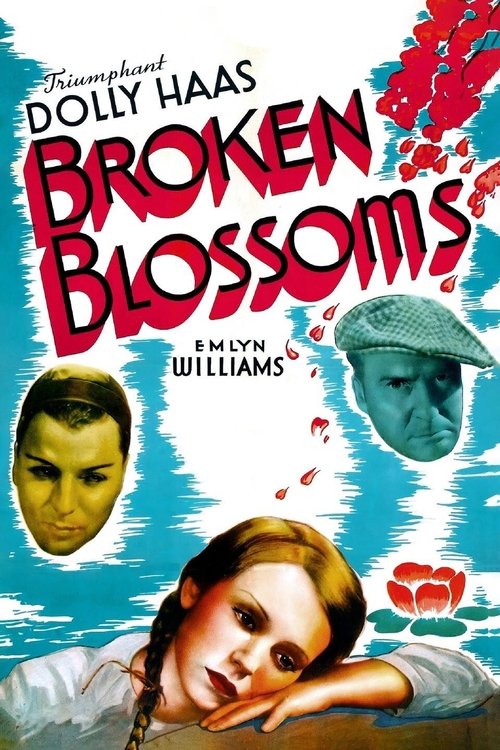
Broken Blossoms stands as a significant historical artifact that disrupts 1930s cinematic norms. Its primary achievement is the use of an interracial central relationship to critique systemic intolerance. By positioning the Chinese protagonist as a figure of moral superiority, the film actively challenges the racialized power dynamics of its time. The narrative structure provides a nuanced critique of patriarchal violence and Western social structures. While it cannot entirely escape the stylistic clichés of the era, it succeeds in humanizing the immigrant experience through a lens of empathy. Ultimately, the film offers a progressive framework for its period, emphasizing the ability to act of the 'other' against a backdrop of social and cultural friction.
Category Breakdown
The film does not include any LGBTQ+ characters or themes. The central emotional connections remain within traditional romantic and spiritual contexts of the 1930s.
The story critiques violent masculinity by contrasting a sensitive, non-traditional masculinity against aggressive male characters. While Lucy Burrows is framed through the cliché of fragile innocence, the narrative explores female vulnerability within a predatory urban environment.
This production is highly progressive for 1936, centering on an interracial connection. It grants the Chinese protagonist moral and spiritual ability to act, challenging the racial hierarchies and 'Yellow Peril' clichés common to the era.
The film portrays Chinatown as a underrepresented space, highlighting the friction between immigrant identity and Western social orders. It uses the 'outsider' as a moral center to critique systemic prejudice and social hierarchies.
There are no specific depictions of physical or neurodivergent disabilities. The film focuses on psychological fragility and social exclusion rather than formal disability representation.
Present on Screen
Limited or Absent
Official Synopsis
A Chinese missionary comes to England and helps a young girl ill-treated by her father. A remake of D. W. Griffith's masterpiece.
1932
1919
1927
1920

1995
1927
1923

1920
No reviews yet. Be the first to share your thoughts on this movie!
Use the rating form above to leave a star rating and optional review.