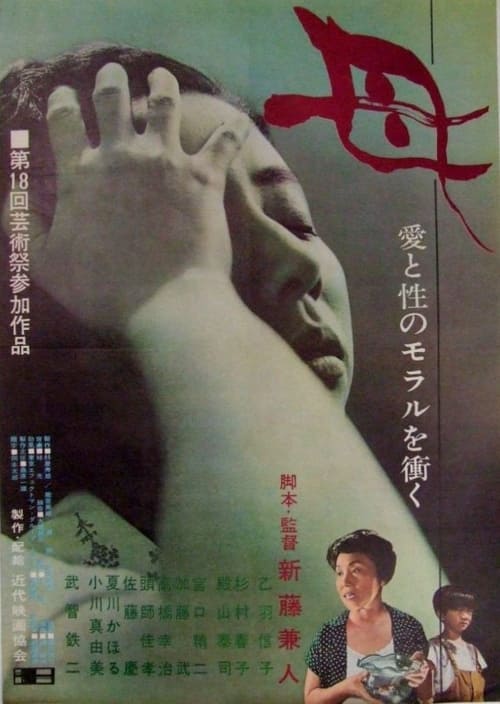
Mother
1963
No user ratings available yet
Representation score: 4.0 out of 10

Representation Score
Fair
2015
Director
Ha Jung-woo
Runtime
124 minutes
Average Rating
No ratings yetNew Showbiz Analysis
Ha Jung-woo’s directorial debut is a gritty exploration of socio-economic realism. It dismantles the 'heroic provider' myth by emphasizing the physical and mental tolls of upholding patriarchal duties in a post-war context. The film excels in cultural authenticity, providing a deep dive into Korean identity and the struggles of the working class. It steers clear of Western casting clichés, opting for a localized, historically grounded perspective. However, the film falls short in representing modern identity-based inclusivity, particularly in its lack of LGBTQ+ narratives and adherence to traditional gender roles.
Category Breakdown
The film focuses on traditional South Korean family structures and does not include any LGBTQ narratives or non-cisgender identities.
It critiques traditional masculinity by showing how the provider role can lead to physical exhaustion. However, domestic conflicts still revolve around traditional expectations of motherhood and lineage.
This South Korean film features a culturally homogeneous cast, avoiding Eurocentric casting trends. It offers an authentic, localized perspective on Korean identity during times of geopolitical change.
The film highlights the survival tactics needed when economic systems fail after war. It presents a realistic, non-romanticized view of the working class and systemic poverty.
The film does not explicitly address neurodivergence or physical disabilities. The protagonist's physical strain from selling blood symbolizes poverty rather than disability.
Present on Screen
Limited or Absent
Official Synopsis
Set in a village right after the Korean War, poor but good-hearted Heo Sam-gwan sets out to win the most beautiful girl in the village, Heo Ok-ran, by selling his blood to earn money. Years later, the two are happily married with three children, but their family undergoes a crisis when Sam-gwan's eldest son doesn't resemble him and rumors spread about the boy's paternity.
1963
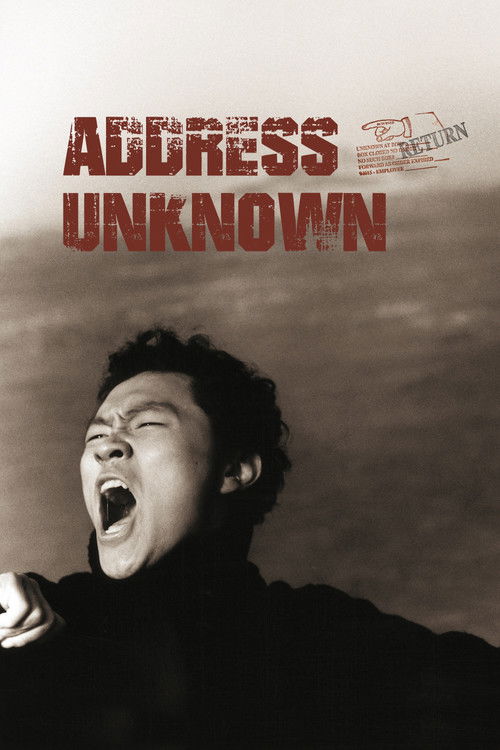
2001
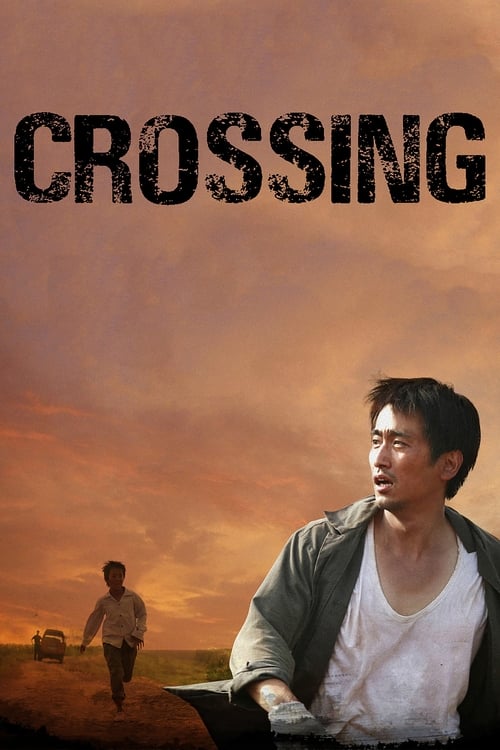
2008

1990

1948

2010

2015
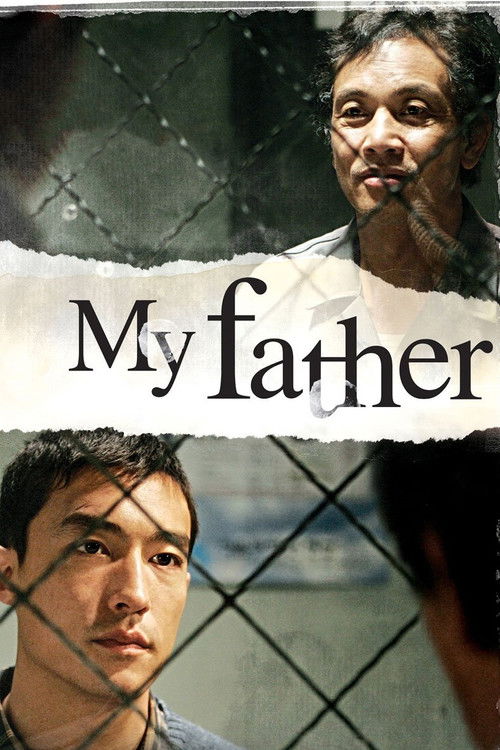
2007
No reviews yet. Be the first to share your thoughts on this movie!
Use the rating form above to leave a star rating and optional review.