
The Attack
2012
No user ratings available yet
Diversity score: 5.8 out of 10
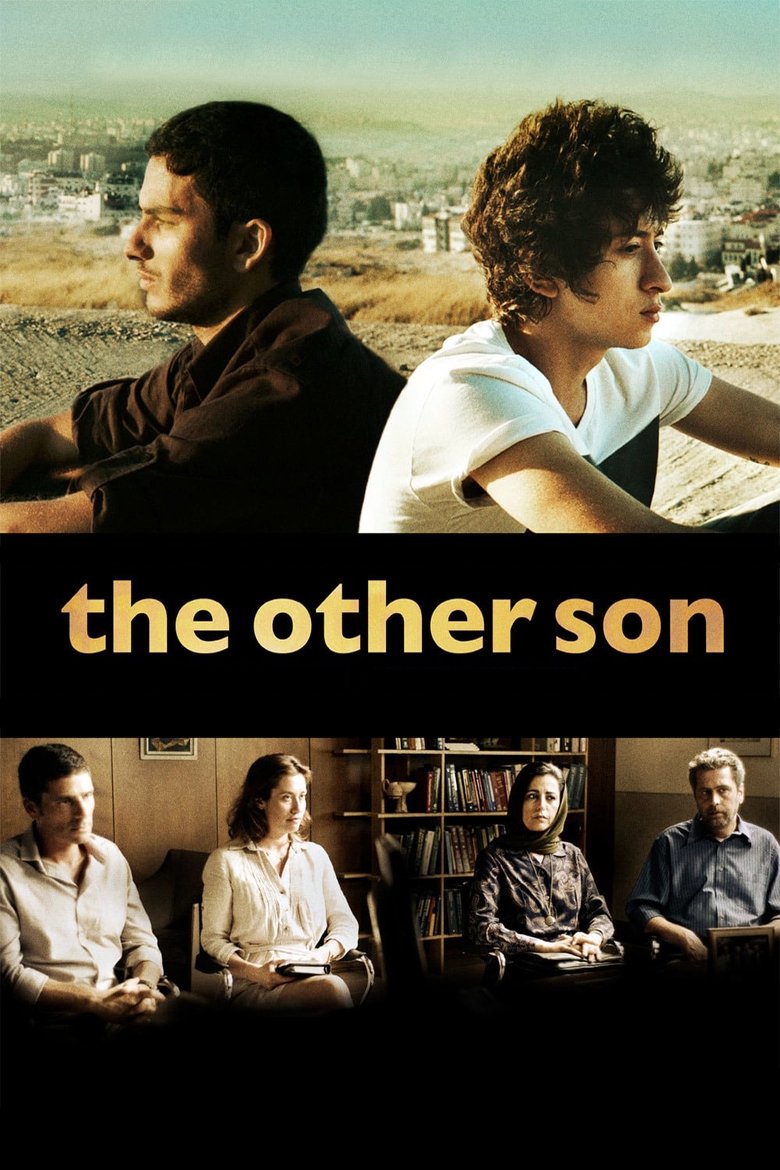
2012
PG-13Director
Lorraine Lévy
Runtime
105 minutes
Average Rating
No ratings yetSynopsis
Two young men, one Israeli and one Palestinian, discover they were accidentally switched at birth.
Overall Score
Good
Category Breakdown
LGBTQ+ Representation
The film focuses on biological lineage and maternal bonds. There is no presence of non-heteronormative identities or critiques of heteronormativity.
Gender Representation
Female agency anchors the narrative architecture. The protagonist serves as the primary driver, navigating maternal reclamation and the emotional labor of the female experience.
Racial & Ethnic Diversity
The film disrupts geopolitical narratives by centering shared humanity between Israeli and Palestinian individuals. It suggests ethnic identity is often complicated by historical accident.
Religious & Cultural Diversity
The story critiques historical power structures and the systemic failures of the mid-20th century. It highlights the human cost of displacement and state-sanctioned violence.
Disability Representation
There are no specific depictions of physical, neurodivergent, or sensory disabilities that drive the narrative.
Strengths
Areas for Improvement
AI Analysis
The film excels at deconstructing ethnic and nationalistic boundaries through a high-concept narrative device. By linking Israeli and Palestinian identities via a shared biological history, it challenges the rigidity of geopolitical conflict. While the film provides a sophisticated look at racial and cultural intersectionality, it lacks representation in other key areas. The narrative is heavily centered on maternal and heteronormative family structures. Ultimately, the work succeeds as a critique of systemic structures and historical trauma, even if it remains narrow in its demographic scope.
2012

2004
2013
1998
2008

2016

2011

2011

2005
1999

2010

2011
No reviews yet. Be the first to share your thoughts on this movie!
Use the rating form above to leave a star rating and optional review.