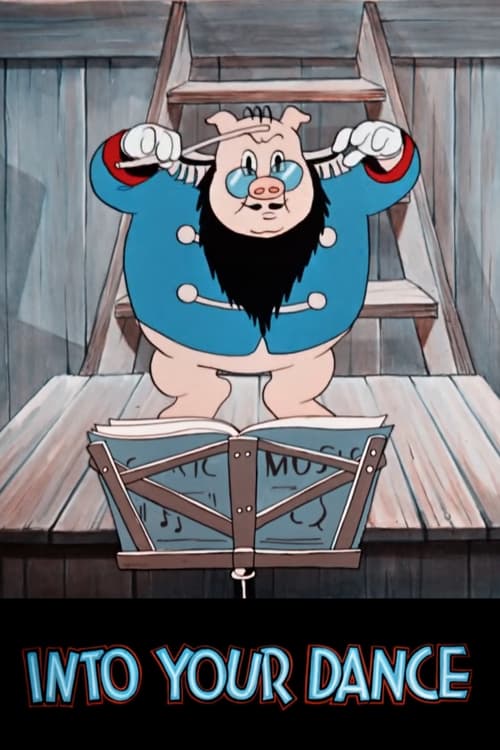
Into Your Dance
1935
No user ratings available yet
Representation score: 0.8 out of 10
Representation Score
Minimal
1935
ApprovedDirector
Friz Freleng
Runtime
7 minutes
Average Rating
No ratings yetNew Showbiz Analysis
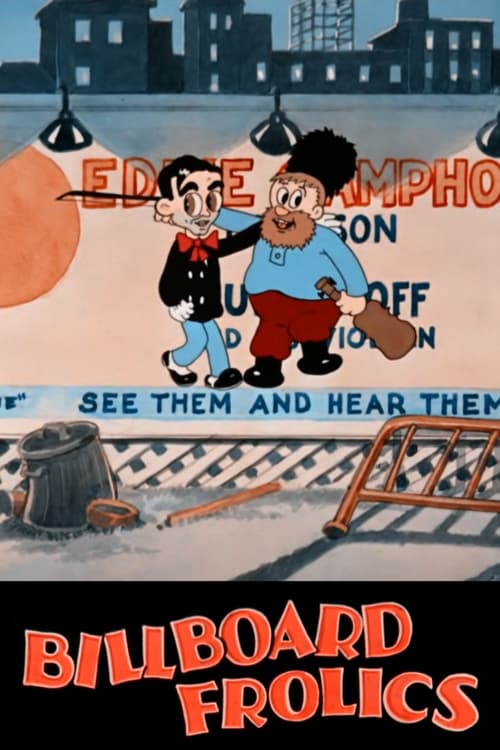
Billboard Frolics is a period-specific musical short that prioritizes surreal playfulness and rhythmic comedy over social commentary. The animation relies on the ability to act of inanimate objects to drive its brief narrative. The work adheres to the conventional entertainment frameworks of 1935, focusing on commercial whimsy. It lacks multi-layered character development or any disruption of traditional social hierarchies. Ultimately, the film functions as a standard piece of early studio animation, reflecting the homogeneous and traditionalist standards of its era.
Category Breakdown
The film does not include any characters with non-binary gender identities. The story focuses solely on musical performance and inanimate objects.
The narrative centers around a musical duet, likely using traditional gender roles common in the 1930s. There is no visible evidence of women taking a leading role or challenging gender hierarchies.
The production lacks a diverse cast and does not challenge racial stereotypes. It seems to follow the homogeneous casting standards typical of early studio animation.
Themes revolve around whimsical escapism and commercial entertainment. The film aligns with traditional 1930s values and does not critique Western or religious structures.
There are no characters depicted with physical or neurodivergent disabilities. The characters serve primarily as rhythmic gag structures rather than complex identities.
Present on Screen
Limited or Absent
Official Synopsis
Billboards come to life. Eddie Camphor and his "wioleen" player Rub-Him-Off do a song and dance to "Merrily We Roll Along" with new lyrics...
1935
1942
1934
1937

1934
1935
1933
1935
No reviews yet. Be the first to share your thoughts on this movie!
Use the rating form above to leave a star rating and optional review.