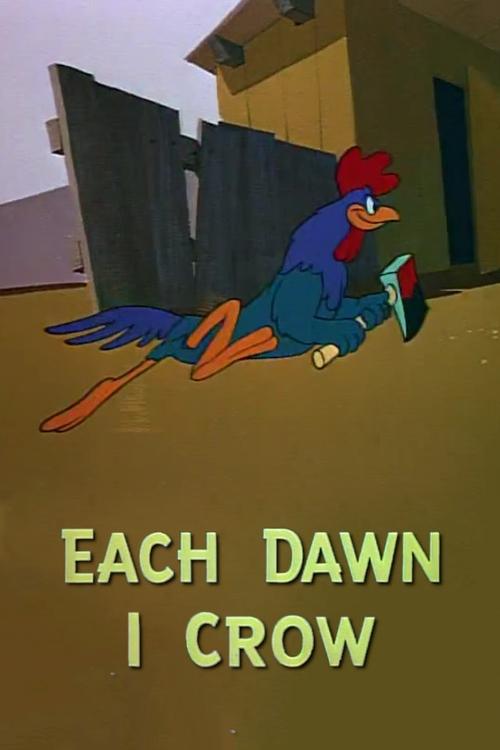
Each Dawn I Crow
1949
No user ratings available yet
Diversity score: 1.4 out of 10
1934
Director
Friz Freleng
Runtime
8 minutes
Average Rating
No ratings yetSynopsis
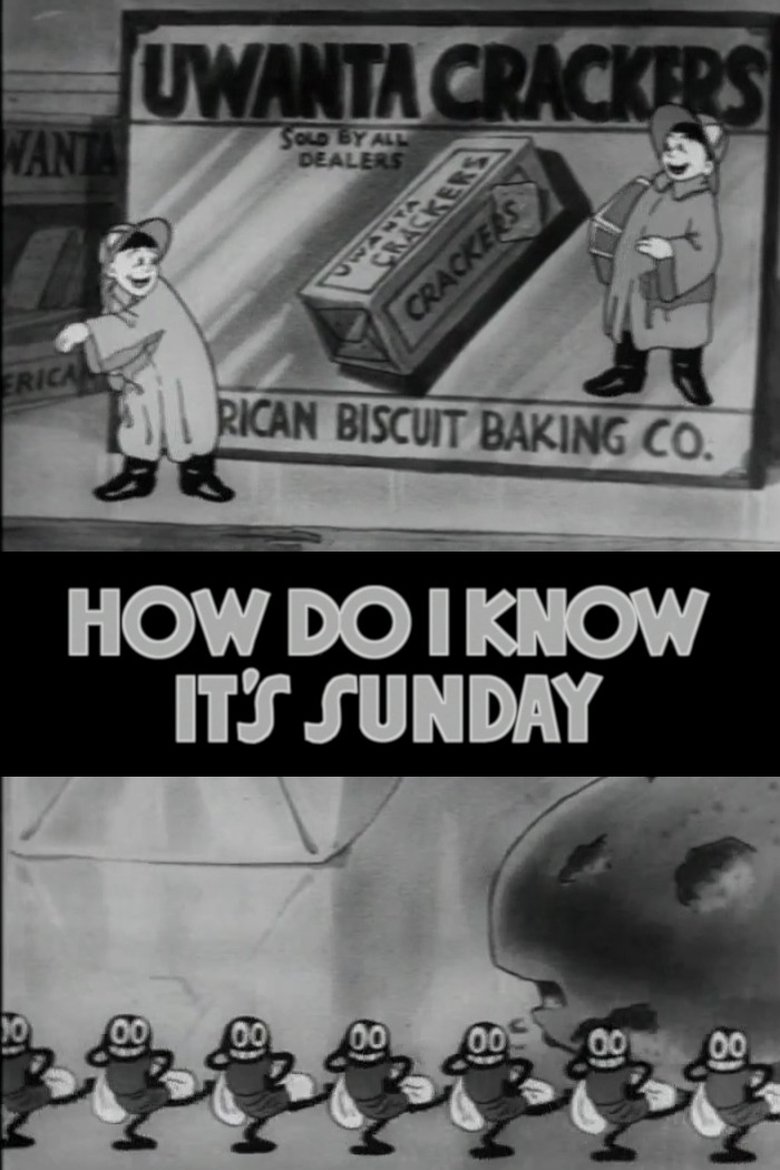
Inside a general store, the products all come to life and happily sing the title song. An Eskimo falls for a cookie and has to come to the rescue when a swarm of flies invades.
Overall Score
Minimal
Category Breakdown
LGBTQ+ Representation
The film lacks any depiction of non-cisnormative identities or same-sex intimacy. The narrative focuses entirely on anthropomorphic objects and a singular character interaction.
Gender Representation
Representation is limited by a lack of female characters or agency. The story centers on a male-coded protagonist within a standard musical gag framework.
Racial & Ethnic Diversity
The inclusion of an Eskimo character serves a functional plot role rather than a complex ethnic portrayal. The setting lacks a diverse, multi-ethnic cast.
Religious & Cultural Diversity
The short reinforces a traditional, lighthearted consumerist aesthetic. It does not engage with secularist themes or the deconstruction of Western institutions.
Disability Representation
There are no portrayals of physical or neurodivergent disabilities. Character motivations are driven by slapstick impulses like hunger or musicality.
Strengths
Areas for Improvement
AI Analysis
This 1934 animation is a period-specific artifact that prioritizes rhythmic comedy and musical engagement over social commentary. The narrative architecture is built around slapstick tropes and anthropomorphic objects rather than identity-driven storytelling. The film lacks intentionality regarding intersectional representation or the subversion of social hierarchies. It functions as a traditionalist piece of entertainment typical of the early studio system. Ultimately, the work reflects the standard social perspectives of its era, offering little in the way of meaningful diversity or systemic critique.
1949
1935
1944
1942
1937
1946
1935
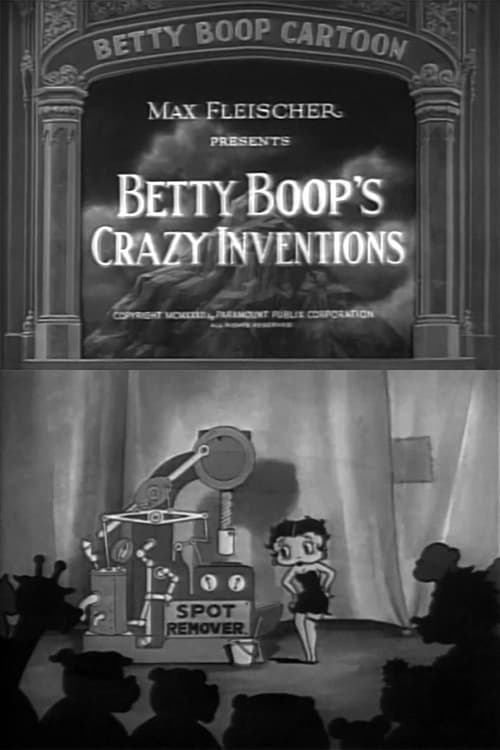
1933
1935
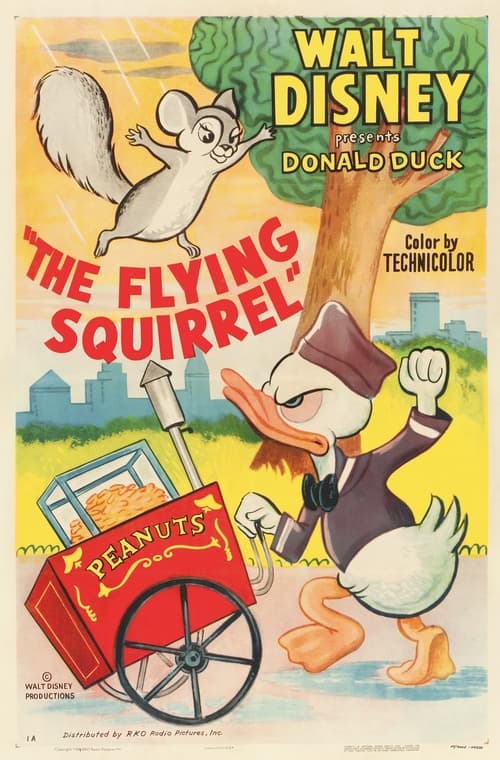
1954
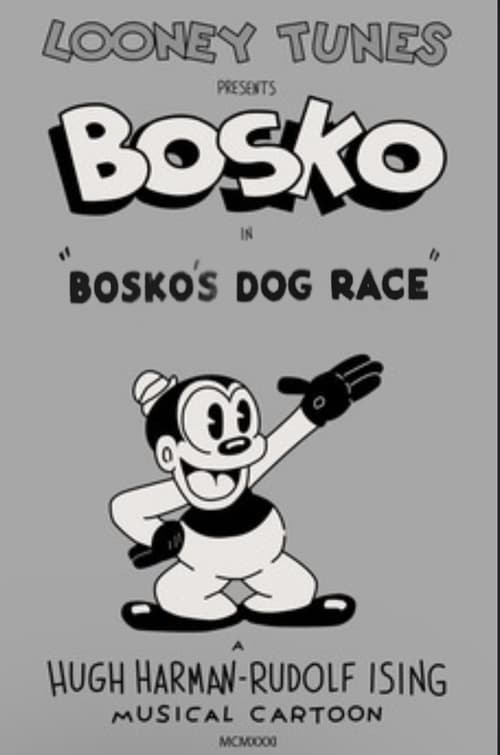
1932
1941
No reviews yet. Be the first to share your thoughts on this movie!
Use the rating form above to leave a star rating and optional review.