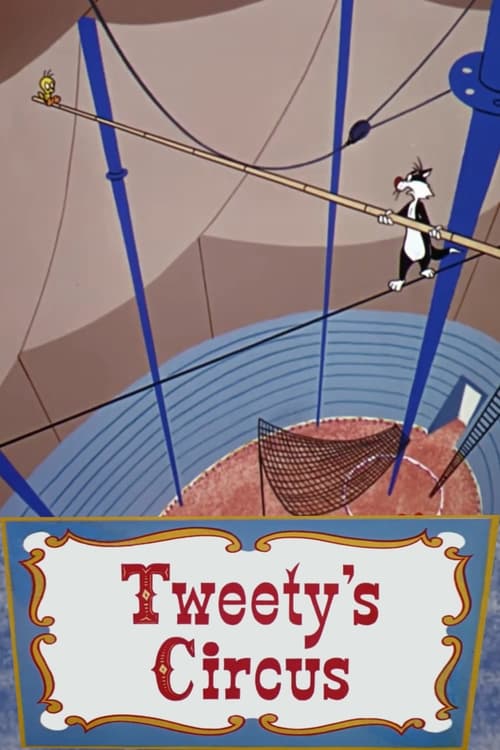
Tweety's Circus
1955
No user ratings available yet
Diversity score: 1.3 out of 10

1944
Director
Friz Freleng
Runtime
8 minutes
Average Rating
No ratings yetSynopsis
That wascawwy wabbit is chased into a theatre by Elmer Fudd, and ends up having to perform to save himself, as well as convince Elmer to act himself. The vaudeville industry was never this wacky!
Overall Score
Minimal
Category Breakdown
LGBTQ+ Representation
The film lacks LGBTQ+ characters or narratives. The conflict remains centered on the established pursuit dynamic between two traditional archetypes.
Gender Representation
The story relies on gendered archetypes common to the 1940s. While Bugs Bunny uses intellect to subvert Elmer Fudd's dominance, it is a battle of wits rather than a subversion of gender hierarchies.
Racial & Ethnic Diversity
Characters are anthropomorphic animals with no evidence of diverse casting. The animation does not use non-human species to address racial or ethnic complexities.
Religious & Cultural Diversity
The setting utilizes the vaudeville industry, a traditional Western institution. The narrative focuses on individual survival and comedic performance rather than social or religious critique.
Disability Representation
There is no evidence of characters with visible or invisible disabilities being portrayed with agency or as central to the narrative arc.
Strengths
Areas for Improvement
AI Analysis
Stage Door Cartoon is a quintessential mid-century comedic short that prioritizes slapstick and rhythmic timing over social commentary. The narrative follows the established Bugs Bunny and Elmer Fudd dynamic, focusing on a theatrical setting to facilitate a hunter-versus-prey conflict. The work operates within the conventional frameworks of 1940s studio animation. It relies on archetypal characters and situational humor rather than exploring systemic identities or intersectional representation. Ultimately, the film serves as a standard example of the era's comedic tropes, maintaining established character hierarchies without attempting to disrupt traditional social structures.
1955
1948
1948
1935
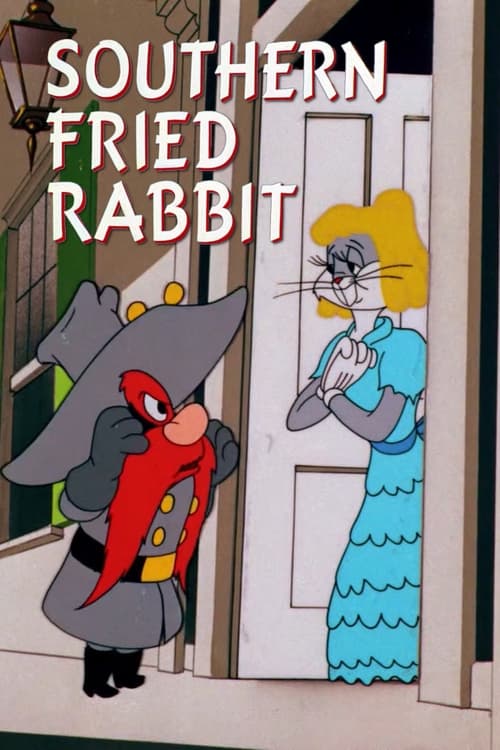
1953
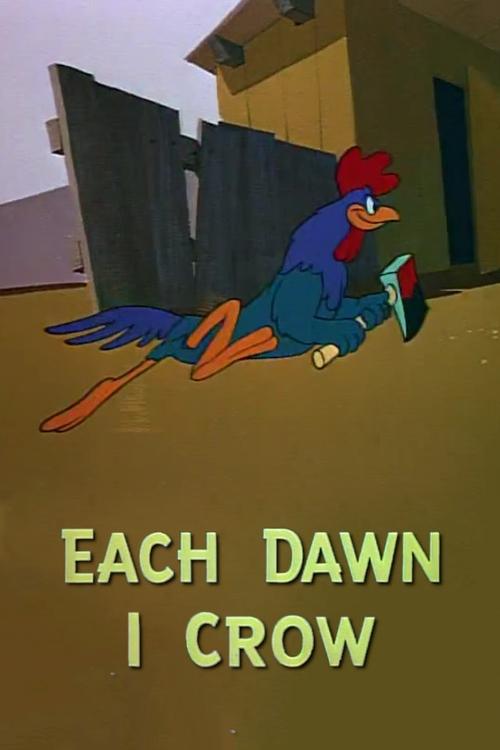
1949
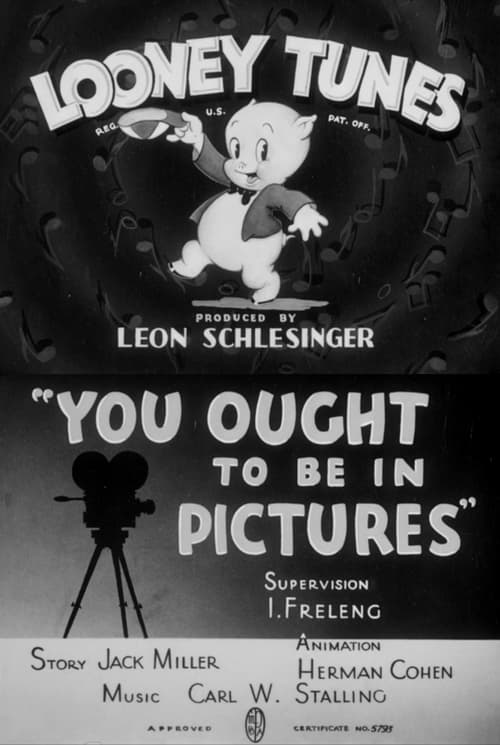
1940
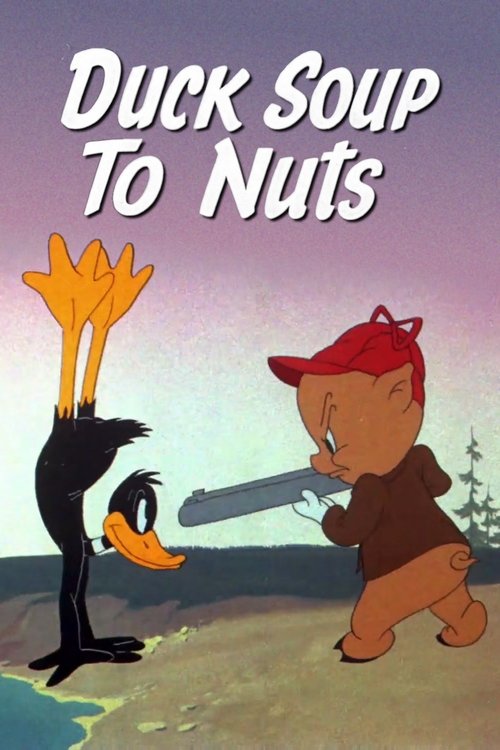
1944
1953
1935
1956
1942
No reviews yet. Be the first to share your thoughts on this movie!
Use the rating form above to leave a star rating and optional review.