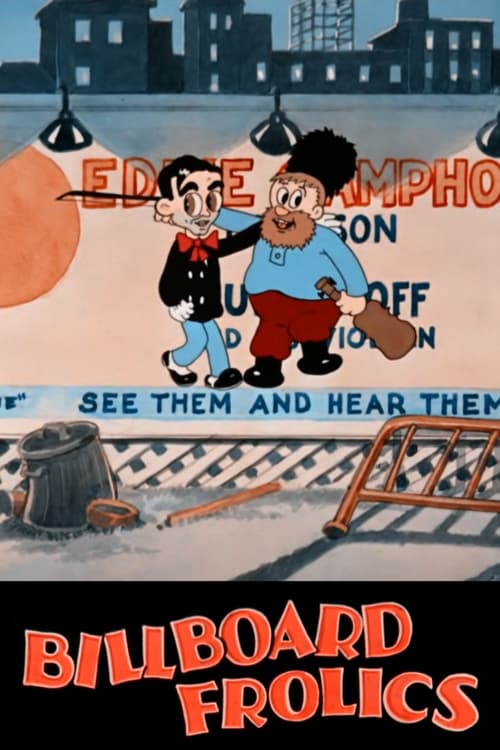
Billboard Frolics
1935
No user ratings available yet
Representation score: 0.4 out of 10
Representation Score
Limited
1937
NRDirector
Friz Freleng
Runtime
8 minutes
Average Rating
No ratings yetNew Showbiz Analysis
Friz Freleng's short is a classic example of 1930s animation, emphasizing rhythmic timing and physical comedy. Despite its technical skill, the film operates within the social norms of its time, lacking the complexity needed for nuanced storytelling. It relies on traditional performance types and comedic structures without challenging established social hierarchies or exploring diverse identities. Ultimately, the film serves as straightforward entertainment, reinforcing the era's social norms through its uniform cast and emphasis on idealized physical abilities.
Category Breakdown
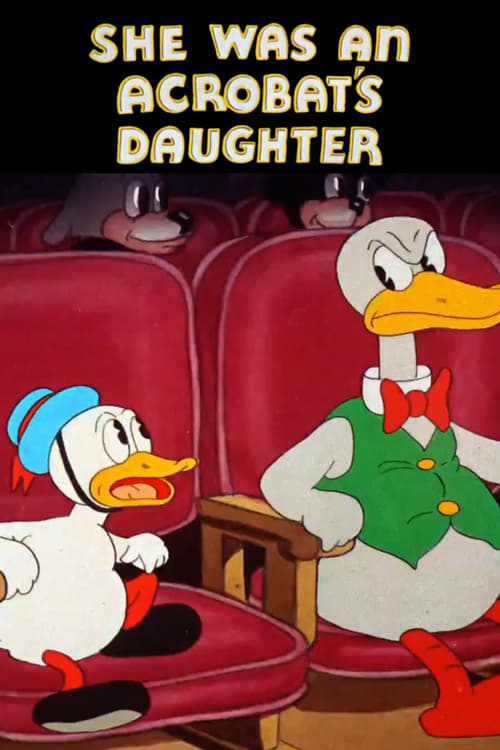
The film does not depict any non-binary or LGBTQ+ identities. Same-sex relationships or interactions are completely absent, focusing instead on traditional family and work relationships within a circus setting.
Female acrobats are shown in physically demanding roles. However, the film adheres to traditional gender roles and does not challenge conventional gender expectations.
The cast appears uniform, reflecting the typical studio animation style of the 1930s. There is no indication of diverse racial or ethnic representation.
The short emphasizes slapstick humor and musical elements. It does not address religious or cultural critiques, nor does it engage with anti-Western sentiments.
The film highlights the physical prowess of circus performers. There is no representation of neurodivergence or physical disabilities.
Present on Screen
Limited or Absent
Official Synopsis
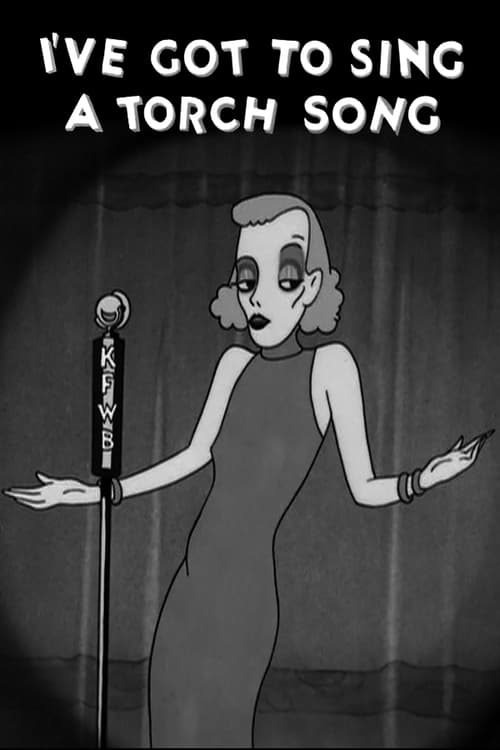
An evening at the local movie theater, including a sing-along led by Maestro Stickoutski at the Mighty Fertilizer organ, a Goofy-Tone newsreel, and the feature, Petrified Florist, featuring caricatures of Bette Davis and Leslie Howard.
1935
1935
1934
1935
1930
1933
1935
1932
No reviews yet. Be the first to share your thoughts on this movie!
Use the rating form above to leave a star rating and optional review.