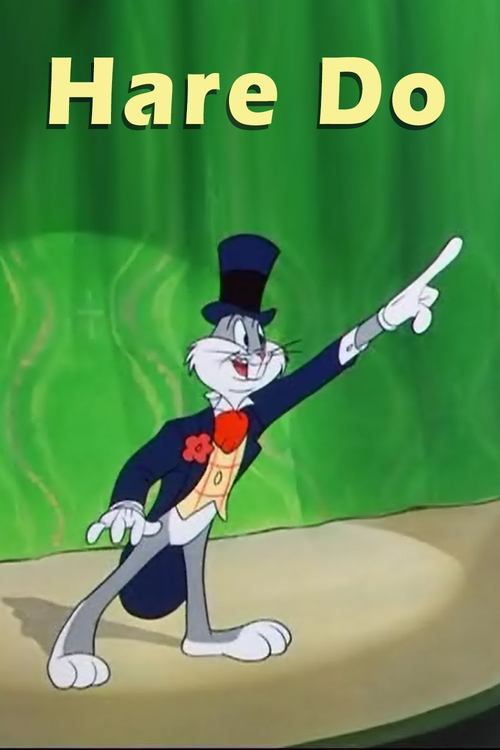
Hare Do
1949
No user ratings available yet
Diversity score: 1.0 out of 10
1936
NRDirector
Friz Freleng
Runtime
7 minutes
Average Rating
No ratings yetSynopsis
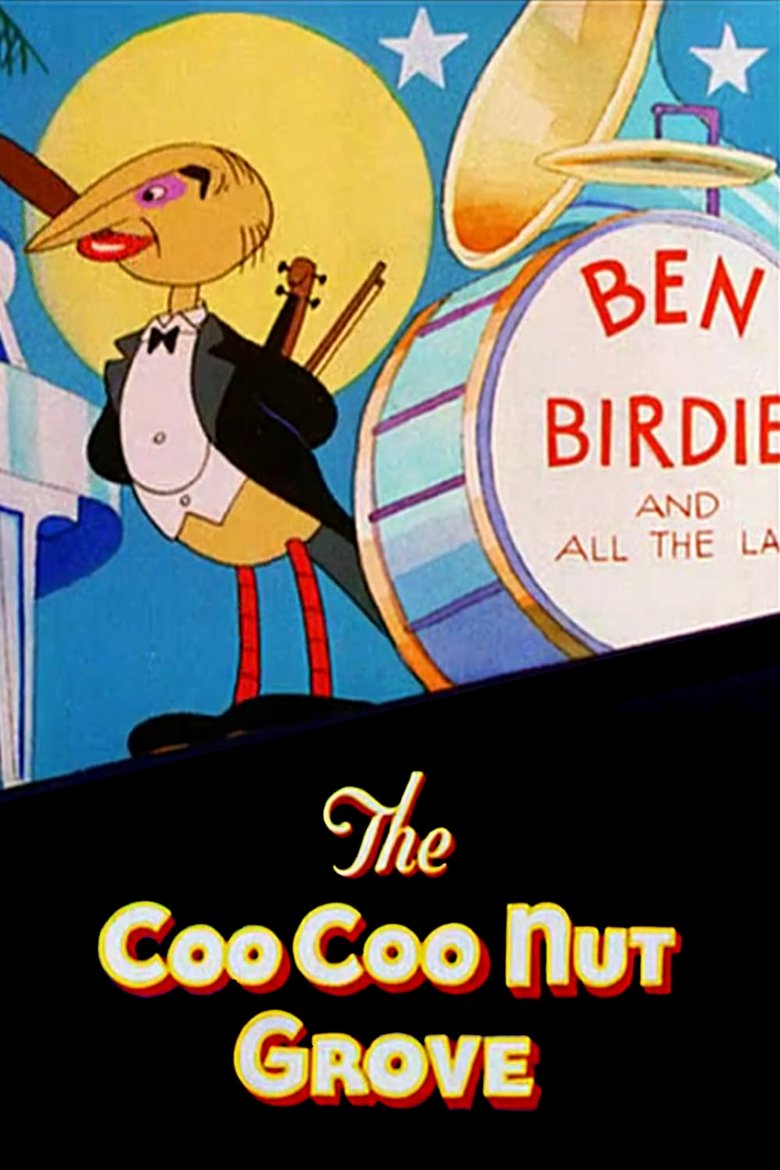
A visit to a Hollywood nightclub, featuring caricatures of, among others, Walter Winchell, Hugh Herbert, W.C. Fields, Katharine Hepburn, Ned Sparks, Johnny Weissmuller, Lupe Velez, John Barrymore, Harpo Marx, George Arliss, Mae West, Stan Laurel, Oliver Hardy, Clark Gable, Edna May Oliver, Gary Cooper, The Dionne Quintuplets, Groucho Marx, Helen Morgan, Wallace Beery, Edward G. Robinson and George Raft.
Overall Score
Minimal
Category Breakdown
LGBTQ+ Representation
The film contains no discernible presence of queer narratives or non-cisnormative identities. Character dynamics focus strictly on musical performance and slapstick.
Gender Representation
Female representation is limited to caricatures of stars like Mae West and Katharine Hepburn. These portrayals follow established celebrity archetypes rather than challenging traditional gender hierarchies.
Racial & Ethnic Diversity
The work relies on harmful caricatures and minstrelsy tropes. It uses anthropomorphic animals with exaggerated features and dark skin tones to reinforce historical racial hierarchies.
Religious & Cultural Diversity
The film celebrates mainstream Hollywood celebrity culture within a Western entertainment framework. It lacks any engagement with systemic critique or non-Western perspectives.
Disability Representation
There are no portrayals of physical or neurodivergent disabilities. Characters are driven by slapstick momentum without any representation of disability-related agency.
Strengths
Areas for Improvement
AI Analysis
The CooCoo Nut Grove functions as a celebrity caricature revue that reflects the systemic social hierarchies of 1930s Hollywood. It prioritizes broad, stereotypical humor over any form of intersectional depth or nuanced characterization. The film's reliance on minstrelsy-inspired animation and racialized visual shorthand reinforces historical power dynamics. Rather than subverting the era's social structures, the work adheres to established industry standards of the time. Ultimately, the animation serves as a historical artifact of commercialized spectacle. It lacks the intentionality required to challenge traditional gendered or racial archetypes, focusing instead on the celebration of contemporary stardom.
1949
1935
1946
1936
1935
1936
1932
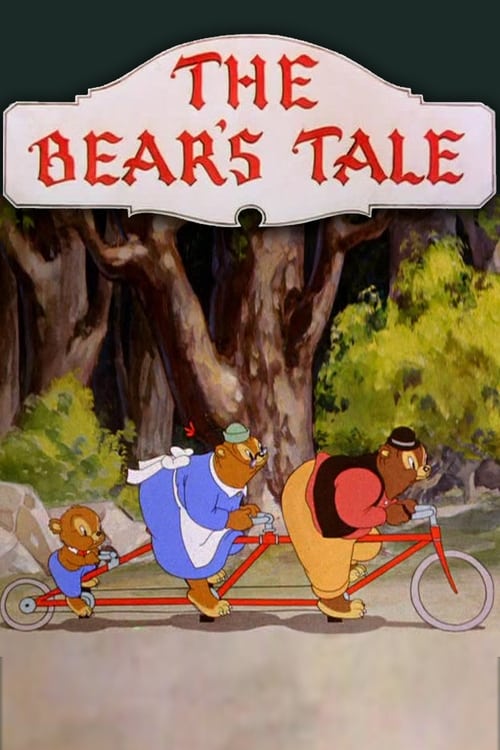
1940
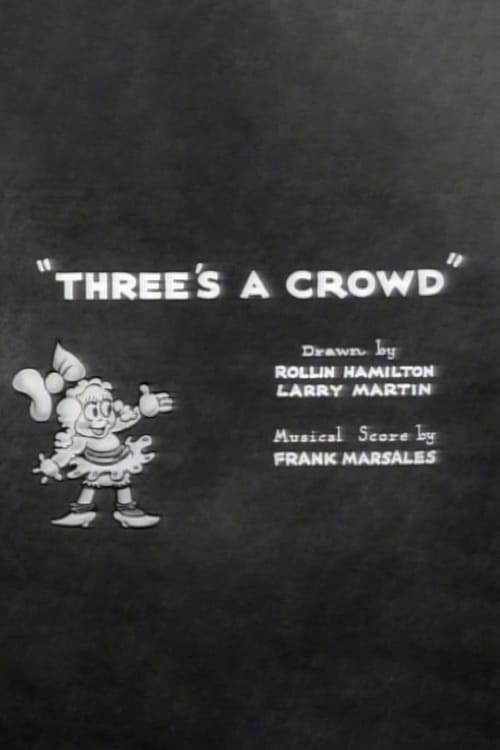
1932
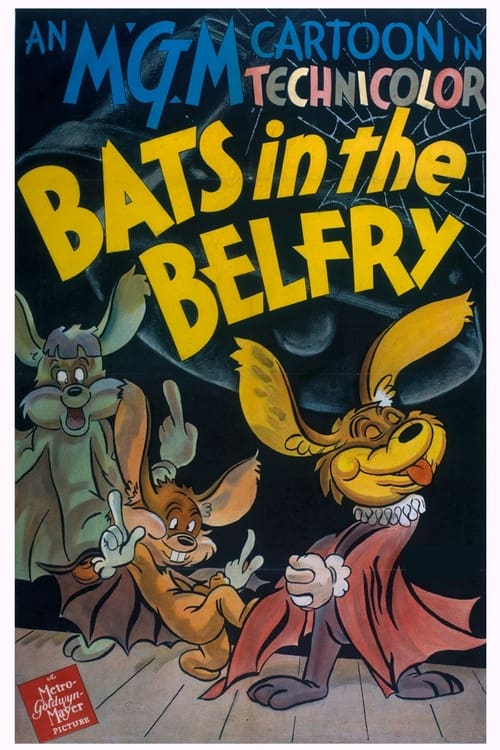
1942
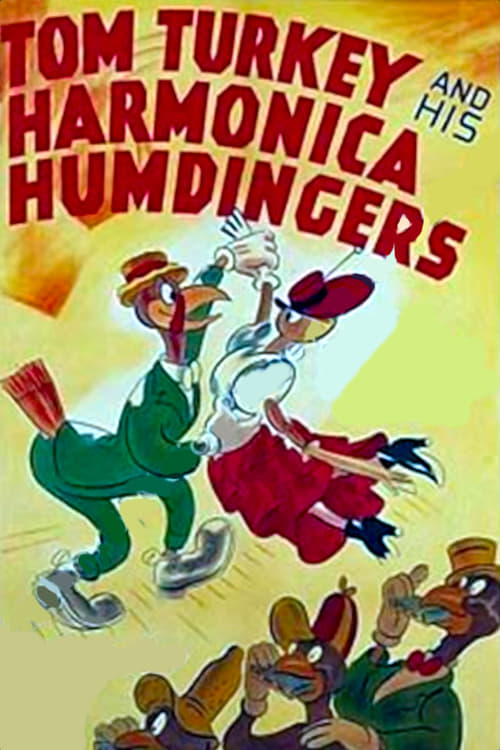
1940
1940
No reviews yet. Be the first to share your thoughts on this movie!
Use the rating form above to leave a star rating and optional review.