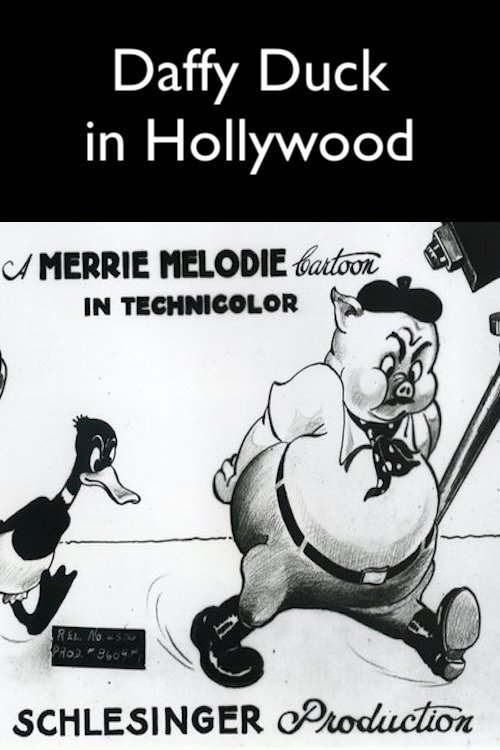
Daffy Duck in Hollywood
1938
No user ratings available yet
Representation score: 0.7 out of 10

Representation Score
Minimal
1941
NRDirector
Tex Avery
Runtime
8 minutes
Average Rating
No ratings yetNew Showbiz Analysis
Tex Avery’s short is a meta-fictional parody of the 1940s studio system. It uses a nightclub setting to stage caricatures of contemporary film stars, prioritizing comedic timing and industry satire over social commentary. The work operates within the traditional frameworks of its era. It focuses on the spectacle of fame and the artifice of celebrity culture rather than deconstructing systemic hierarchies or exploring diverse identities. Ultimately, the film is a product of its historical context. It prioritizes slapstick comedy and industry-standard clichés over the representation of underrepresented groups or the disruption of social norms.
Category Breakdown
The film does not depict any non-straight relationships or LGBTQ narratives. Interactions focus on industry clichés and celebrity impersonations.
The narrative follows traditional 1940s gender roles. It emphasizes the performative nature of stardom rather than challenging gender norms.
The short reflects the mainstream Hollywood landscape of its time. It lacks significant racial or ethnic diversity among its main characters.
The film celebrates the glamour of the Hollywood studio system. It serves as a parody of Western celebrity culture rather than a critique.
There are no visible or invisible disabilities portrayed. Characters are presented as idealized or exaggerated caricatures of celebrities.
Present on Screen
Limited or Absent
Official Synopsis
A tour of Ciro's Nightclub packed with caricatures of many top stars.
1938
1936
1935
1940
1954
1945
1937
1942
No reviews yet. Be the first to share your thoughts on this movie!
Use the rating form above to leave a star rating and optional review.