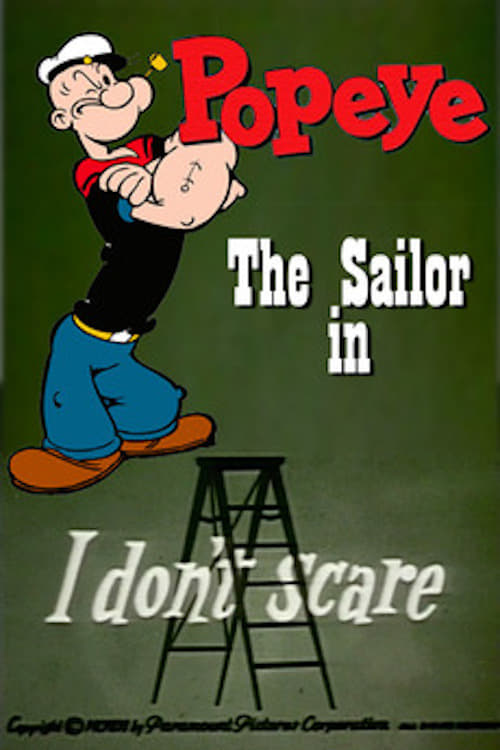
I Don't Scare
1956
No user ratings available yet
Diversity score: 1.8 out of 10

1944
ApprovedDirector
Izzy Sparber
Runtime
8 minutes
Average Rating
No ratings yetSynopsis
Actually, Popeye and Bluto are already there. They visit a nightclub, where the featured singer/dancer is, of course, Olive Oyl.
Overall Score
Limited
Category Breakdown
LGBTQ+ Representation
The film lacks any indication of non-heteronormative identities. Character dynamics appear to follow traditional romantic rivalry tropes common to the franchise.
Gender Representation
Olive Oyl gains visibility as a nightclub performer, offering some professional agency. However, her role likely serves as a catalyst for male conflict rather than an independent driver.
Racial & Ethnic Diversity
The Rio setting suggests a departure from American locales. It remains unclear if this provides meaningful representation or merely uses Brazil as a colorful aesthetic backdrop.
Religious & Cultural Diversity
The narrative utilizes Rio as a comedic setting for escapist entertainment. There is no evidence of critiques regarding Western institutions or secular themes.
Disability Representation
There is no information available regarding the depiction of physical or neurodivergent characters in this short.
Strengths
Areas for Improvement
AI Analysis
This 1944 animated short functions as a character-driven comedic vignette centered on the established Popeye, Bluto, and Olive Oyl triad. The film adheres to the conventional comedic structures and archetypes typical of the Golden Age of animation. While the setting moves the action to Rio, the narrative appears to prioritize episodic entertainment over social exploration. The character roles are largely dictated by mid-century tropes rather than intentional subversion of social hierarchies. Ultimately, the work serves as a product of its era, focusing on established character dynamics within a colorful, escapist framework.
1956
1947

1954
1955
1955
1944
1957
1952
1939
1933
1933
1937
No reviews yet. Be the first to share your thoughts on this movie!
Use the rating form above to leave a star rating and optional review.