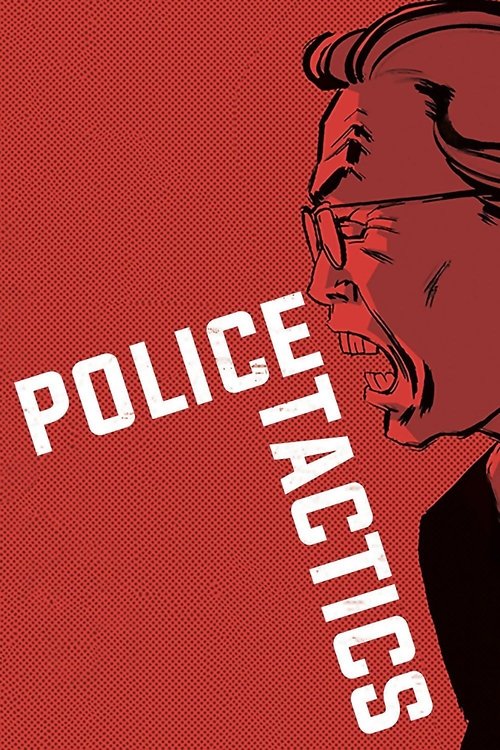
Battles Without Honor and Humanity: Police Tactics
1974
No user ratings available yet
Representation score: 1.4 out of 10

Representation Score
Limited
1969
Director
Yasuharu Hasebe
Runtime
87 minutes
Average Rating
No ratings yetNew Showbiz Analysis
Bloody Territories is a genre-focused exploration of systemic conflict within the Tokyo underworld. It primarily examines institutional friction rather than a diverse social fabric. The film lacks modern markers of diversity, especially concerning gender, race, and LGBTQ+ identity. It adheres to traditional masculine frameworks common in 1969 Japanese crime cinema. However, it achieves some progressive value through its thematic subversion. By portraying the state as an oppressive force to be resisted, it challenges the notion of inherently benevolent authority.
Category Breakdown
The film does not explicitly show non-traditional gender identities or same-sex relationships. It focuses on traditional masculine power dynamics typical of the 1969 yakuza genre.
The story emphasizes male control through conflicts between criminal gangs and law enforcement. Female characters are implied through prostitution rackets but likely play passive or victimized roles.
The setting is a homogeneous Japanese society centered around Tokyo's underworld. It does not include ethnic diversity or multi-cultural elements in the narrative.
The film presents a critical view of societal structures and state authority. It shows a rebellion against increasing order, highlighting the protagonists' struggle against systemic control.
There are no characters with visible or invisible disabilities mentioned. There is no information to suggest that disability is used as a plot device.
Present on Screen
Limited or Absent
Official Synopsis
A once-powerful yakuza clan disbands as a result of a police crackdown, but one small group refuses to bow to police pressure, and launches a campaign to take over Tokyo's drug, prostitution, and gambling rackets. Someone wants to stop them. Is it the police? Rival gang members? Or is it an entirely new group of hired killers who will stop at nothing to gain complete control of Tokyo's "bloody territories"?
1974
1973
1988

1964

2001
1973
1967
1974
No reviews yet. Be the first to share your thoughts on this movie!
Use the rating form above to leave a star rating and optional review.