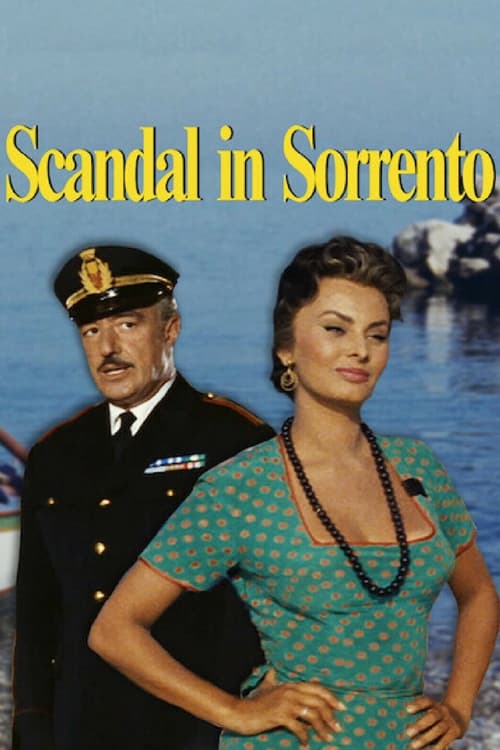
Scandal in Sorrento
1955
No user ratings available yet
Diversity score: 3.5 out of 10
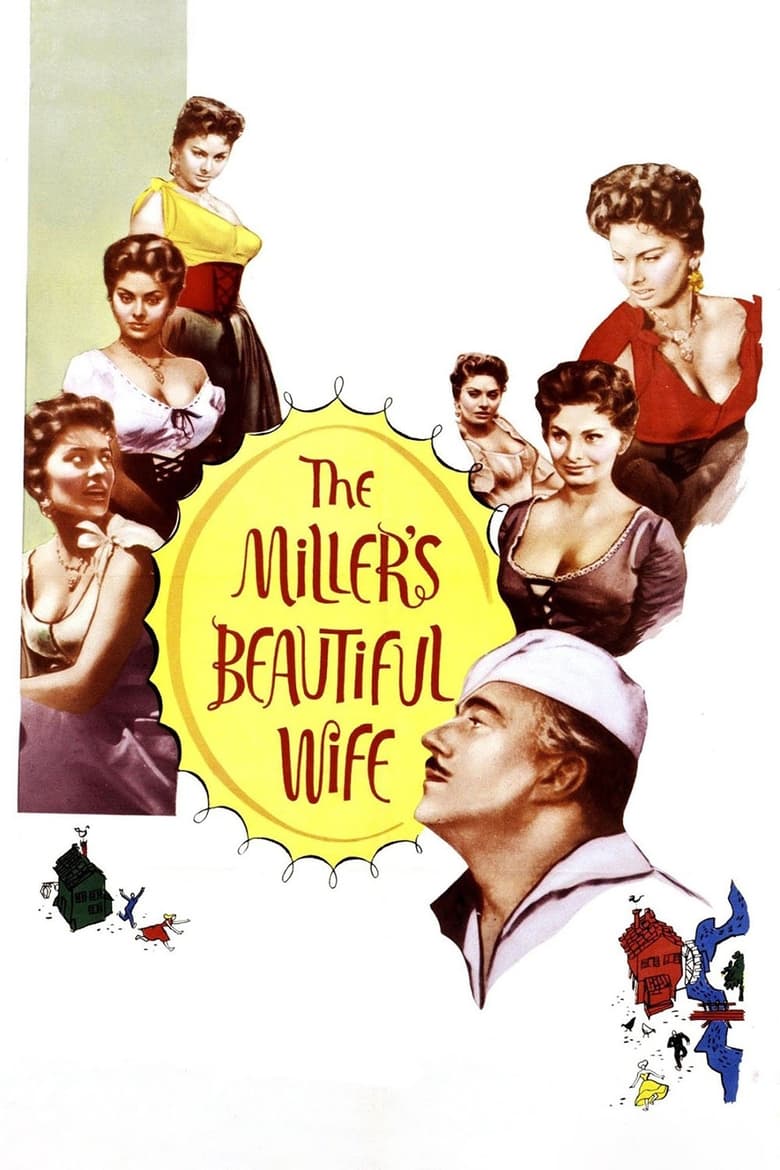
1955
Director
Mario Camerini
Runtime
98 minutes
Average Rating
No ratings yetSynopsis
A lecherous governor of Naples in 1680 lusts after the wives of several peasants, particularly after the miller's wife Carmela. The miller himself plans to avenge his honor by seducing the wife of the governor.
Overall Score
Limited
Category Breakdown
LGBTQ+ Representation
The film focuses exclusively on heteronormative romantic and sexual tensions. There is no evidence of non-cisnormative identities or critiques of heteronormativity within the narrative.
Gender Representation
Carmela serves as a central figure of desire, yet agency is limited by 17th-century hierarchies. The plot revolves around male characters attempting to control women's bodies and reputations.
Racial & Ethnic Diversity
Set in historical Naples, the production appears inherently homogeneous. The narrative focuses on local social strata without indicating a diverse or multi-ethnic cast.
Religious & Cultural Diversity
The story explores moral relativism through the Miller's quest for vengeance. However, it remains centered on traditional social structures like class and local governance.
Disability Representation
There is no indication of characters with visible or invisible disabilities. The narrative focus remains strictly on romantic and social conflicts.
Strengths
Areas for Improvement
AI Analysis
Mario Camerini’s period comedy operates within the rigid social and gendered hierarchies of 1680 Naples. The plot is driven by a cycle of desire and retribution, pitting a high-ranking governor against a working-class miller. While the film provides a nuanced look at situational ethics and moral corruption, it does not challenge conventional identity norms. The narrative architecture relies on traditional tropes of class conflict and sexual politics. Ultimately, the work functions as a character study of social friction. It adheres to the historical status quo rather than seeking to disrupt expectations regarding race, gender, or identity.
1955

1959
1953
1969
1954
1955
1955
1957
1976

1992
1997

1962
No reviews yet. Be the first to share your thoughts on this movie!
Use the rating form above to leave a star rating and optional review.