
Frou-Frou
1955
No user ratings available yet
Representation score: 1.1 out of 10

Representation Score
Limited
1962
Director
Luciano Salce
Runtime
110 minutes
Average Rating
No ratings yetNew Showbiz Analysis
Crazy Desire is a product of its specific historical and geographic context, reflecting the social norms of early 1960s Italy. It lacks modern markers of racial and LGBTQ+ diversity, resulting in a lower overall score. However, the film succeeds in challenging social hierarchies. By focusing on the tension between the professional class and the chaotic energy of youth, it provides a critique of bourgeois stability and traditional authority. Ultimately, the film earns credit for its narrative disruption of class and generational structures, even as it remains demographically homogeneous.
Category Breakdown
The film follows a conventional romantic storyline between a middle-aged man and a younger woman. There are no LGBTQ+ characters or narratives centered around non-straight relationships.
The narrative deconstructs the image of the stable male leader by portraying the businessman as vulnerable. Francesca and her peers act as catalysts for his emotional upheaval, shifting traditional power dynamics.
The film reflects the demographic homogeneity of 1960s Italy. There is no evidence of a multi-ethnic cast or the integration of non-Mediterranean identities within the setting.
The story critiques traditional middle-class institutions by pitting a businessman against rowdy youths. This explores the friction between capitalist stability and the disruptive, anti-authoritarian energy of youth culture.
There is no discernible focus on characters with physical or neurodivergent disabilities in the narrative.
Present on Screen
Limited or Absent
Official Synopsis
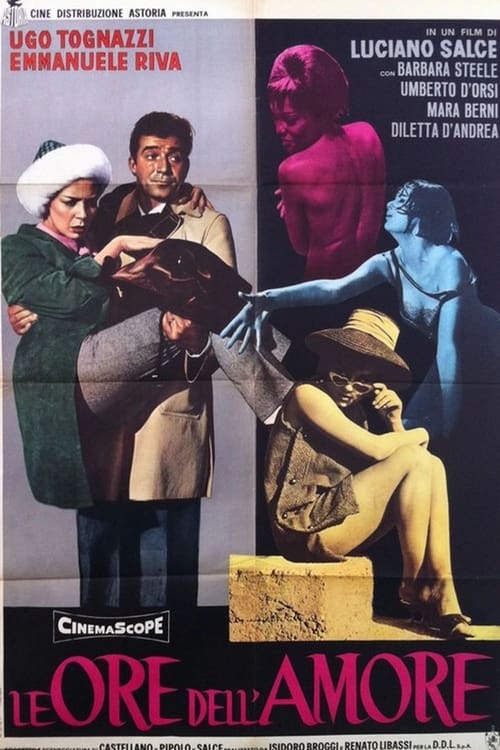
A middle-aged businessman meets a band of rowdy youths and is smitten by one, named Francesca.
1955
1964
1967

1952

2011
1969
1972
1963
No reviews yet. Be the first to share your thoughts on this movie!
Use the rating form above to leave a star rating and optional review.