La cosa buffa
1972
No user ratings available yet
Representation score: 1.8 out of 10
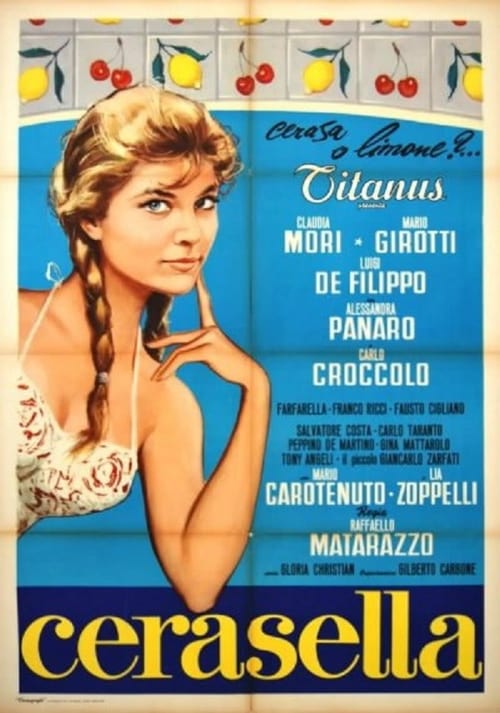
Representation Score
Limited
1959
Director
Raffaello Matarazzo
Runtime
98 minutes
Average Rating
No ratings yetNew Showbiz Analysis
Cerasella is a period-specific romantic comedy that mirrors the social constraints of mid-century Italy. While the protagonist takes control by choosing her own romantic path, her motivations remain rooted in traditional courtship. The film lacks multi-layered complexity, focusing instead on class distinctions. Ultimately, the work reflects the demographic and social homogeneity of its time, reinforcing established moral and gender frameworks.
Category Breakdown
The film aligns with the assumption that everyone is straight or cisgender, typical of 1950s Italian cinema. The plot centers around a traditional romantic relationship.
Cerasella exercises a significant role in driving the story by escaping a predetermined marriage, yet her motivations remain confined to traditional courtship. The film adheres to the gender hierarchies of the era.
The casting and setting reflect the demographic homogeneity of 1959 Italy. The narrative focuses on class distinctions without addressing racial or ethnic diversity.
The story operates within mid-century Western social values and traditional romantic fulfillment. It uses standard formulas without challenging institutional norms.
There is no mention of characters with visible or invisible disabilities in the narrative.
Present on Screen
Limited or Absent
Official Synopsis
Cerasella escapes just before her marriage with Alfredo and meets Bruno, the son of a wealthy industrialist.
1972
1955
1957
1964
1987
1969
1953
1959
No reviews yet. Be the first to share your thoughts on this movie!
Use the rating form above to leave a star rating and optional review.