Monpti
1957
No user ratings available yet
Representation score: 3.5 out of 10
Representation Score
Limited
1992
Director
Édouard Niermans
Runtime
93 minutes
Average Rating
No ratings yetNew Showbiz Analysis
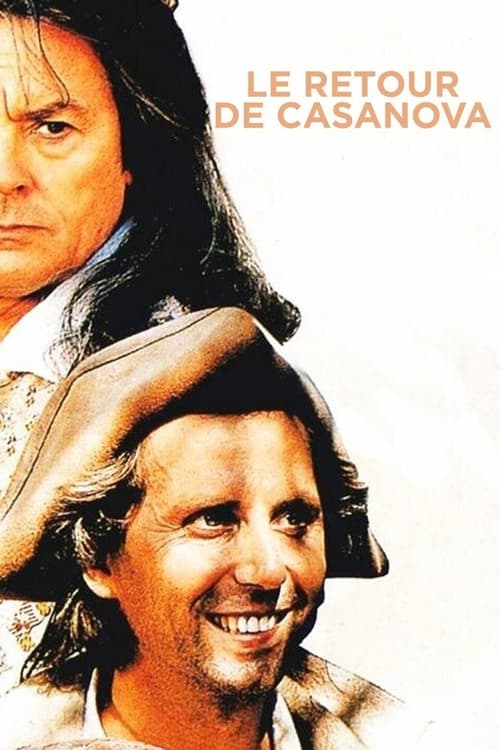
The film functions as a conventional period romance that emphasizes traditional themes of honor and romantic conquest. It sticks closely to historical clichés and social hierarchies without challenging them. The narrative revolves around traditional gender dynamics and heterosexual conflicts. Although the female lead shows some resistance, the resolution centers on masculine concepts of reputation and combat. Overall, the production adopts a traditional approach to storytelling. It lacks significant representation of diverse identities, focusing instead on a historically homogeneous European setting and standard dramatic frameworks.
Category Breakdown
The story follows a typical path focused on heterosexual relationships, with no depiction of queer intimacy or non-traditional gender identities.
Marcelina shows some independence by rejecting Casanova, but she ends up as a romantic goal. The plot emphasizes traditional masculine roles through a duel.
Set in the Republic of Venice, the film seems to follow the demographics typical of its time, featuring a traditional Western European cast.
The story relies on classic Western ideas of honor and class conflict, following traditional historical drama clichés about reputation and personal revenge.
The film does not include or depict any characters with physical or neurodivergent disabilities.
Present on Screen
Limited or Absent
Official Synopsis
After many years of rambling across Europe the aging Giacomo Casanova is impoverished. He wants to return to the Republic of Venice but he doesn't dare going there directly because he was a fugitive when he left. While he tries to find a way to get a pardon he meets a young lady named Marcelina. The more he shows his affection, the more ostentatiously she rejects him. Even so he doesn't give up on her because her lover Lorenzo has grave gaming debts. In return for the required money Lorenzo tells Casanova about a looming secret rendezvous with Marcelina. Moreover he lets Casanova take his place. Undercover of the night Casanova finally seduces her. Lorenzo later feels his honor was besmirched and demands satisfaction. Casanova kills him in a duel and then goes home to Venice.
1957

1950
2019

1989
2015
1952

1977
1976
No reviews yet. Be the first to share your thoughts on this movie!
Use the rating form above to leave a star rating and optional review.