
On My Way to the Crusades, I Met a Girl Who...
1967
No user ratings available yet
Representation score: 2.3 out of 10
Representation Score
Fair
1997
Director
Sergio Rubini
Runtime
92 minutes
Average Rating
No ratings yetNew Showbiz Analysis
The film primarily explores class-based narratives set in a period that highlights social hierarchies. Despite the lack of modern multi-layered markers like LGBTQ+ or racial diversity, it successfully dismantles aristocratic superiority through shared survival experiences. Porzia’s journey from institutional seclusion to active navigation in a dangerous world underscores the shift from traditional patriarchal domesticity to a cross-class alliance. Ultimately, the film’s diversity lies in its social commentary rather than demographic variety, emphasizing personal ability to act over the rigid structures of the 17th century.
Category Breakdown
The film centers on a romantic relationship between a noblewoman and a coachman. It does not include any clear LGBTQ+ themes or identities.
Porzia transitions from a cloistered life to active ability to act. The story challenges traditional gender roles by focusing on her survival and partnership with a coachman, rather than passive rescue.
Set in 17th-century Europe, the film reflects the historical homogeneity of the time. It explores class differences but lacks significant racial or ethnic diversity.
The narrative critiques religious institutions by depicting the cloister as confining. It emphasizes human-centric morality over rigid social and institutional structures.
There are no characters with visible or invisible disabilities in the narrative.
Present on Screen
Limited or Absent
Official Synopsis
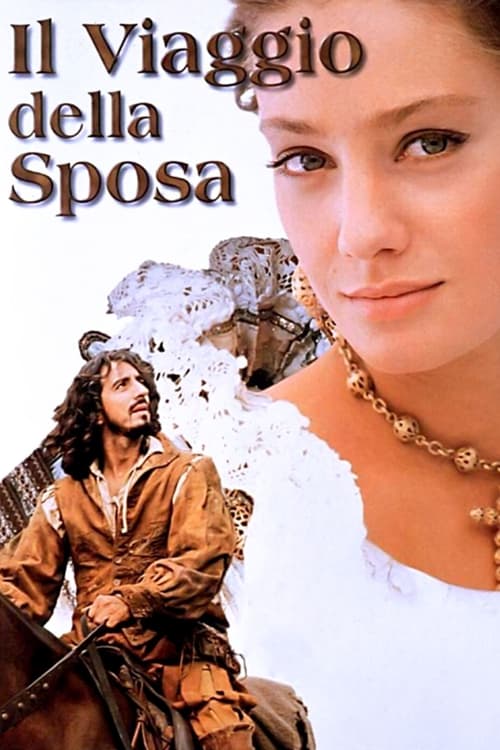
17th-century noblewoman Porzia leaves the cloister she was raised in to marry, but an ambush leaves her with only humble coachman Bartolo by her side. While venturing into dangerous and unknown lands, the two grow increasingly close despite their opposite backgrounds.
1967
1963
2006
1964

2003
1981
1990
1967
No reviews yet. Be the first to share your thoughts on this movie!
Use the rating form above to leave a star rating and optional review.