The Garden Murder Case
1936
No user ratings available yet
Diversity score: 1.4 out of 10
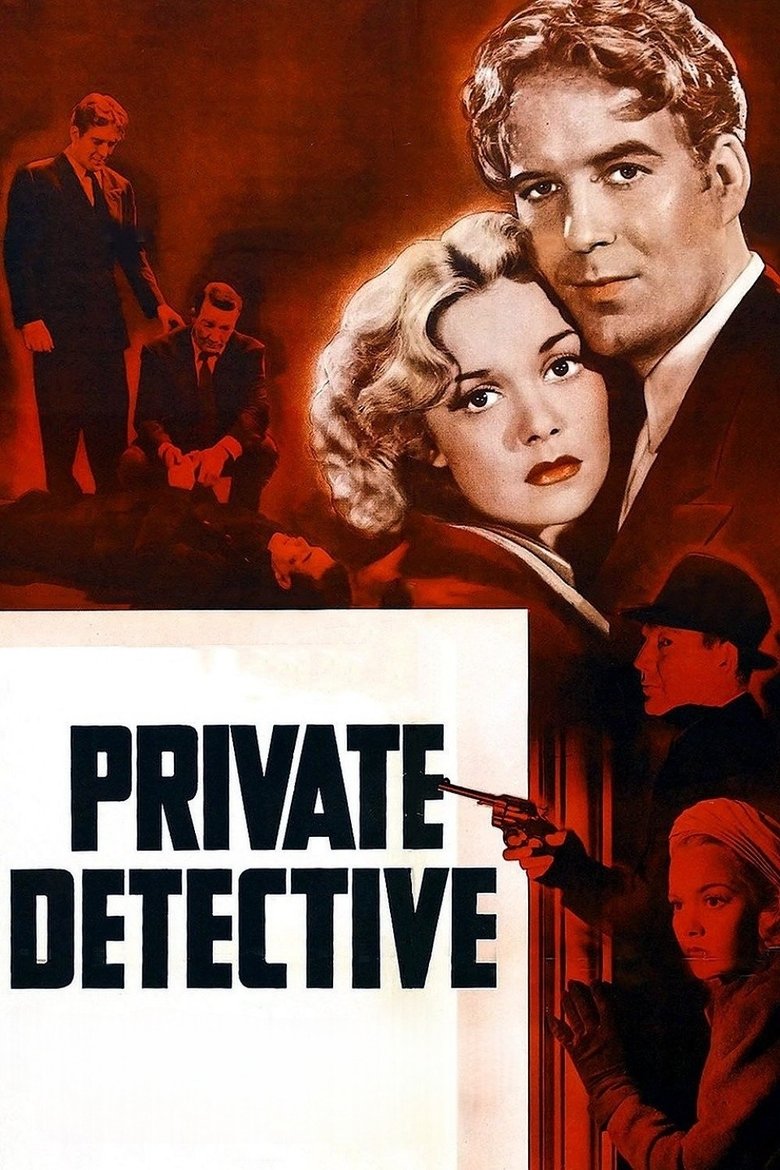
1939
ApprovedDirector
Noel M. Smith
Runtime
55 minutes
Average Rating
No ratings yetSynopsis
A female private eye joins forces with a police detective to investigate the suspicious murder of a millionaire.
Overall Score
Limited
Category Breakdown
LGBTQ+ Representation
The film contains no evidence of non-heteronormative identities or same-sex intimacy. Such depictions were virtually non-existent in 1939 cinema due to strict industry censorship.
Gender Representation
A female private investigator provides a degree of professional agency that disrupts standard domestic roles. However, the film likely maintains traditional gendered hierarchies through its collaborative dynamic with a male detective.
Racial & Ethnic Diversity
The production appears to follow the homogeneous casting standards typical of the late 1930s. There is no indication of a diverse or non-Anglo-Saxon majority cast.
Religious & Cultural Diversity
The narrative operates within a traditional Western framework focused on a standard crime procedural. It likely reinforces the stability of legal and social orders rather than critiquing them.
Disability Representation
There is no documented evidence regarding the inclusion or portrayal of characters with physical or neurodivergent disabilities.
Strengths
Areas for Improvement
AI Analysis
Private Detective presents a snapshot of late 1930s Hollywood storytelling, adhering to the social hierarchies of its era. While the central premise of a female professional investigator offers a slight departure from domestic tropes, the film lacks broader intersectional complexity. The work functions as a standard genre piece that reinforces existing social structures. It lacks representation across racial, cultural, and LGBTQ+ spectrums, reflecting the restrictive production standards of the period. Ultimately, the film provides a moderate boost to gender representation through its protagonist but remains a product of a homogeneous and traditional cinematic landscape.
1936
1944
1929

1948
1952
1936
1952
1949
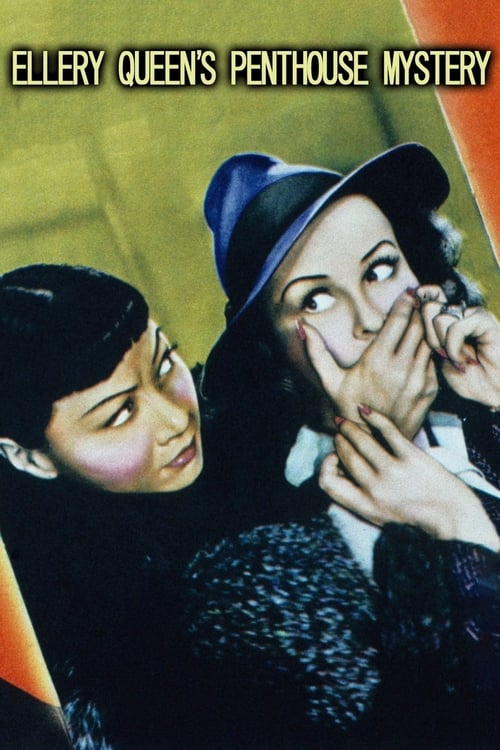
1941
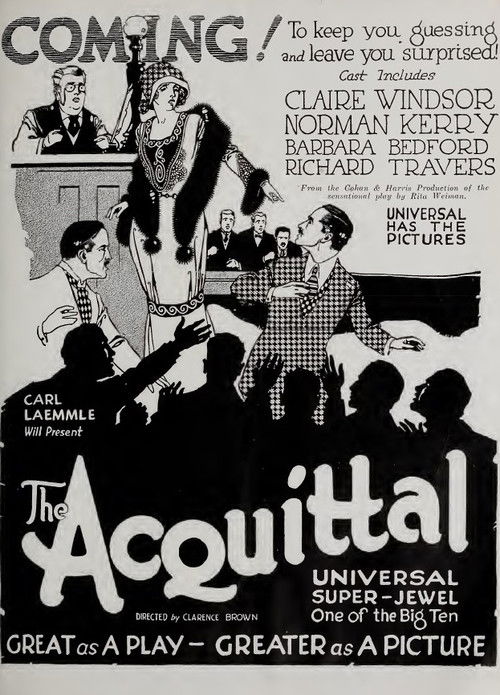
1923
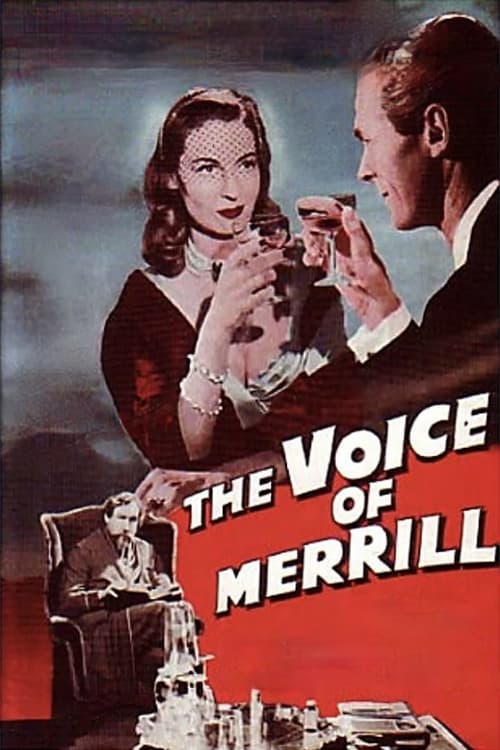
1952
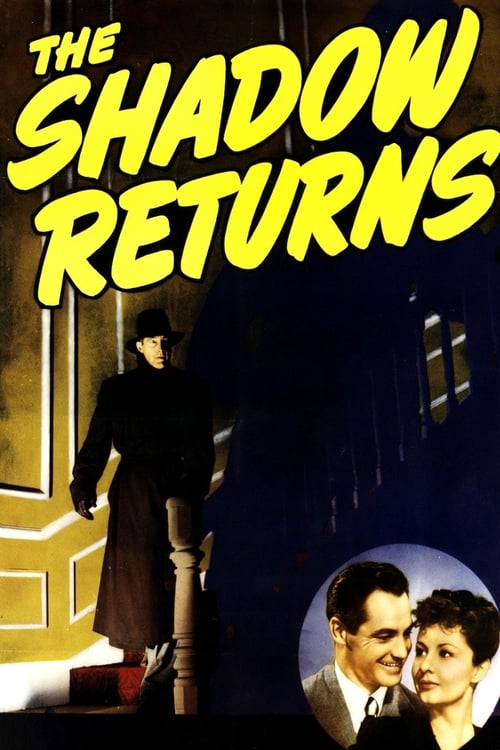
1946
No reviews yet. Be the first to share your thoughts on this movie!
Use the rating form above to leave a star rating and optional review.