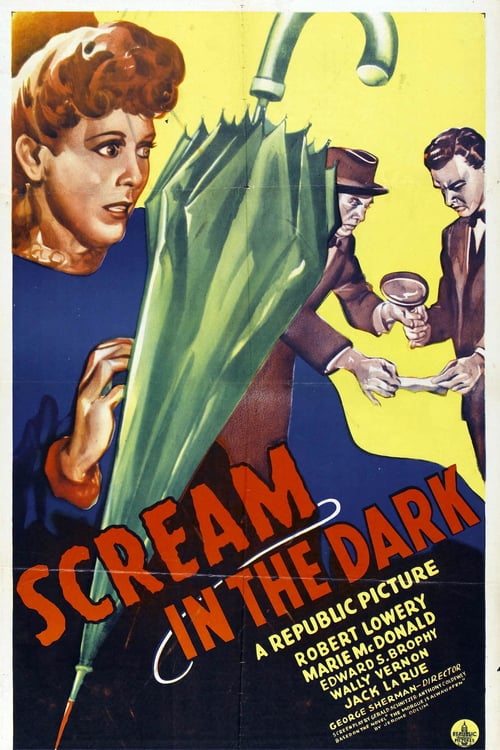
A Scream in the Dark
1943
No user ratings available yet
Representation score: 0.4 out of 10

Representation Score
Minimal
1945
ApprovedDirector
Lesley Selander
Runtime
58 minutes
Average Rating
No ratings yetNew Showbiz Analysis
Three's a Crowd is a mid-century mystery that prioritizes domestic melodrama and suspense over social exploration. The narrative structure relies on established genre clichés, such as infidelity and potential homicide, which were staples of 1945 Hollywood. The film functions as a standard genre piece of its era. It adheres to the systemic constraints of the mid-20th century studio system, focusing on efficient, plot-driven storytelling rather than challenging social hierarchies. Because the production predates modern identity-focused storytelling, it lacks progressive representation. The tension is derived from the disruption of conventional marital structures rather than the inclusion of underrepresented perspectives.
Category Breakdown
The film focuses on a traditional romantic triangle involving a husband, wife, and a former flame. There is no evidence of non-straight identities or critiques of the assumption that everyone is straight or cisgender.
The narrative centers on a woman discovering her husband's potential crimes. While she plays a significant role in driving the story, the plot relies on common mid-century clichés like the 'wronged wife' or 'woman in peril.'
The film likely reflects the homogeneous casting standards of the 1940s studio system. The narrative appears to center on a white, Anglo-Saxon demographic typical of the era.
The story operates within mid-century Western morality, focusing on individual guilt and domestic stability. It prioritizes traditional legal and moral consequences over broader social critiques.
There is no documented evidence of characters with visible or invisible disabilities within the film's synopsis or historical records.
Present on Screen
Limited or Absent
Official Synopsis
What would you do in this house of fear... if you knew that your husband killed your former flame?
1943
1944
1952
1940
1947
1947
1934

1940
No reviews yet. Be the first to share your thoughts on this movie!
Use the rating form above to leave a star rating and optional review.