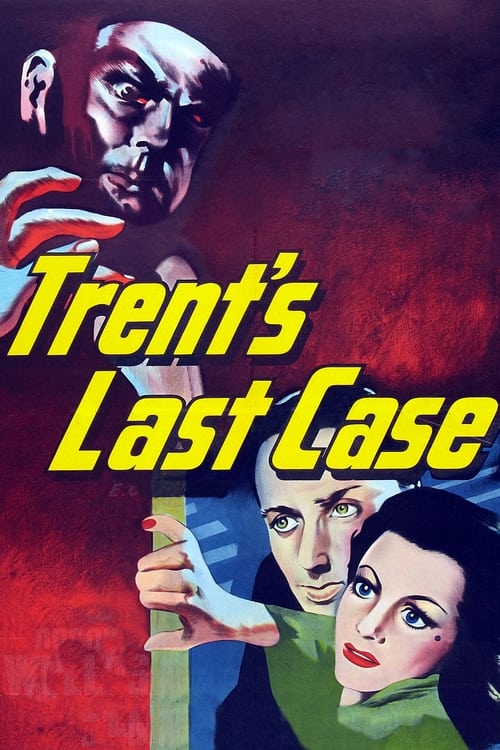
Trent's Last Case
1952
No user ratings available yet
Diversity score: 1.7 out of 10

1955
NRDirector
Albert S. Rogell
Runtime
76 minutes
Average Rating
No ratings yetSynopsis
A woman travels to England to attend her parents' funeral. She is told by officials that they died of natural causes together, but she doesn't buy it. She comes to suspect that the nurse who took care of her parents was involved in their deaths, but since the nurse is well thought of in the town, no one believes her. What she doesn't know is that her parents' killer has selected her as the next victim
Overall Score
Limited
Category Breakdown
LGBTQ+ Representation
The film lacks any indication of LGBTQ+ characters or non-cisnormative identities. The plot centers on familial death and caregiver suspicion within a traditional social framework.
Gender Representation
A woman drives the plot as the central investigator, offering some agency. However, her struggle to be believed by the community reflects common tropes where female intuition is dismissed.
Racial & Ethnic Diversity
The narrative appears to favor a homogeneous cast typical of 1955 productions. There is no evidence of diverse ethnic perspectives or non-white majority casting.
Religious & Cultural Diversity
The story operates within a traditional Western framework focused on mourning and community reputation. It adheres to established social norms rather than challenging them.
Disability Representation
There is no mention of characters with visible or invisible disabilities. No evidence suggests disability is used as a plot device in this mystery.
Strengths
Areas for Improvement
AI Analysis
Before I Wake is a standard mid-century mystery that relies heavily on the conventional narrative structures of its era. While it provides a female protagonist with a central role, the film remains tethered to traditional social hierarchies. The story lacks intersectional complexity, focusing instead on individual suspicion within a stable, homogeneous community. It prioritizes established social orders over any meaningful disruption of identity or systemic power dynamics. Ultimately, the film reflects the period's typical approach to storytelling, offering limited representation across most diversity metrics.
1952
1946

1952
1923

1949
1963

1945
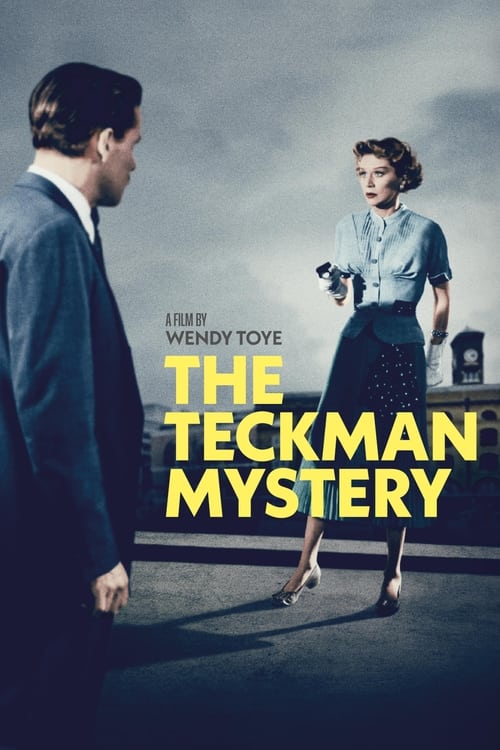
1954
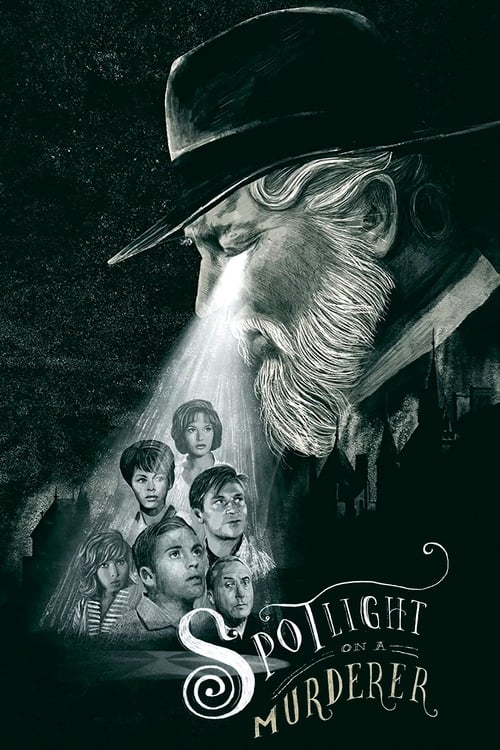
1961

1945
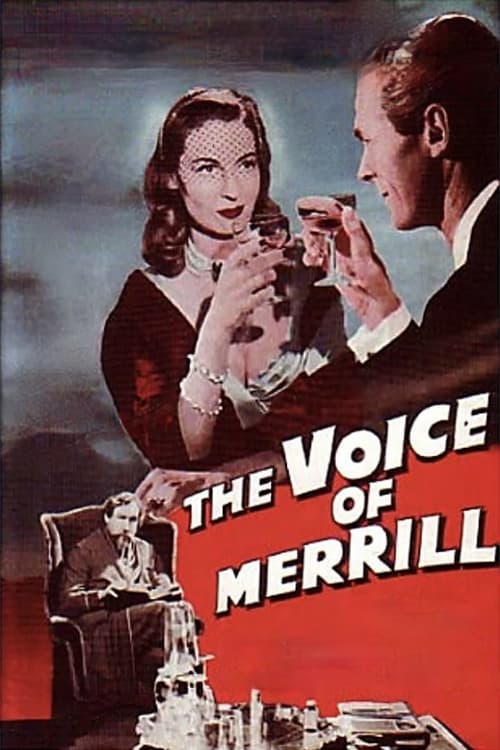
1952
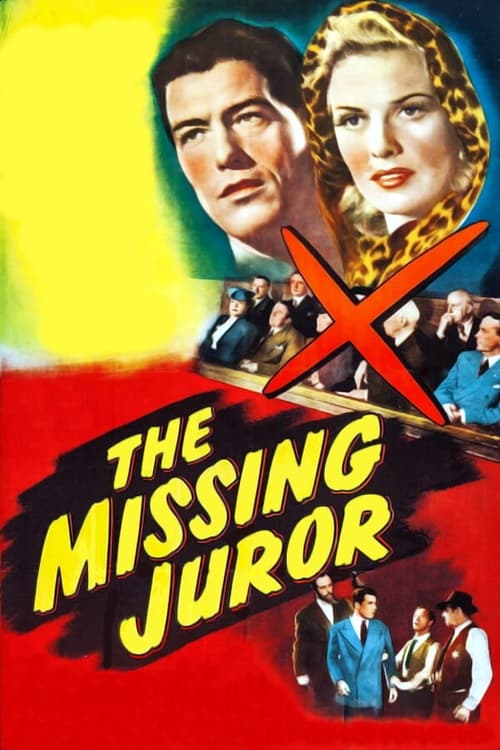
1944
No reviews yet. Be the first to share your thoughts on this movie!
Use the rating form above to leave a star rating and optional review.