The 13th Man
1937
No user ratings available yet
Representation score: 1.4 out of 10
Representation Score
Minimal
1949
NRDirector
Alfred E. Green
Runtime
82 minutes
Average Rating
No ratings yetNew Showbiz Analysis
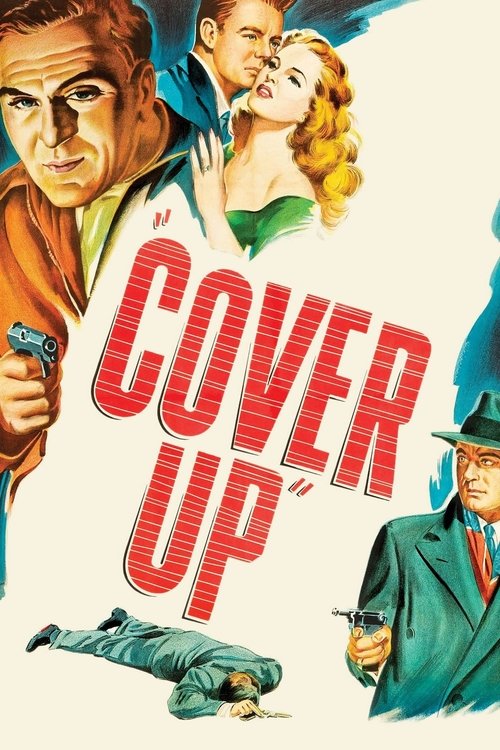
Cover Up adheres to the conventions of the 1949 film noir genre, emphasizing social and cultural hierarchies of the time. The narrative structure prioritizes traditional investigative clichés and straight-centered romance over social subversion. The film reflects the demographic and institutional norms of the mid-century American Midwest. It centers on the stability of established systems, such as the local bank and the sheriff's office, rather than challenging them. Ultimately, the film lacks the intentionality needed to disrupt conventional expectations regarding gender, race, or identity, serving instead as a competent but conventional example of film noir.
Category Breakdown
The film does not include any LGBTQ+ characters or non-straight relationships. The story revolves around a heterosexual romance, reinforcing the assumption that everyone is straight.
Gender roles adhere to mid-century norms. The female lead is introduced through her relationship to her father and serves mainly as a catalyst for the protagonist’s integration into the community.
The setting in a small Midwestern town implies a homogeneous white population. There is no indication of racial diversity or identities that challenge the period’s social constraints.
The story is set within traditional Western frameworks, using Christmas and family gatherings to reinforce social cohesion. The plot centers on restoring order through legal and corporate channels.
There are no visible or invisible disabilities portrayed within the central character arcs of the film.
Present on Screen
Limited or Absent
Official Synopsis
Insurance investigator Sam Donovan is looking into the apparent suicide of a man in a small Midwestern town. All clues leads him into suspecting murder. Unfortunately, no one wants to assist him with the case, including Sheriff Larry Best.
1937
1949
1940
1946
1945
1948

1941
1947
No reviews yet. Be the first to share your thoughts on this movie!
Use the rating form above to leave a star rating and optional review.