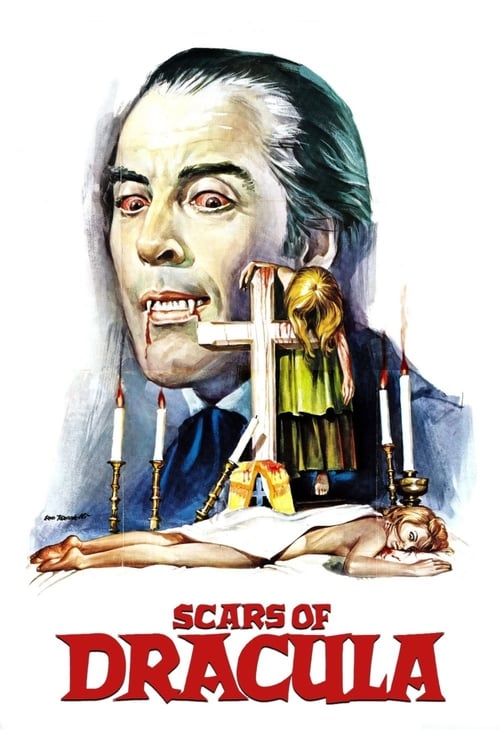
Scars of Dracula
1970
No user ratings available yet
Representation score: 2.2 out of 10
Representation Score
Limited
1970
RDirector
Roy Ward Baker
Runtime
91 minutes
Average Rating
No ratings yetNew Showbiz Analysis
The film's key strength lies in its subversion of traditional gender power dynamics. By giving female vampires significant control and physical dominance, it challenges the era's expectations of female passivity. However, the work remains limited by its lack of depth in representing multiple aspects of identity. The cast is racially uniform, and there is no representation of LGBTQ+ identities or disabilities. Ultimately, while the film offers a progressive perspective on female authority, its adherence to traditional moral structures and a narrow demographic scope limits its overall diversity score.
Category Breakdown
The film adheres to traditional assumptions about straight relationships, focusing on predatory sexuality through the vampire mythos and the attraction between female vampires and male victims.
The narrative challenges traditional gender hierarchies by centering female vampires as primary aggressors. These women have significant control and physical dominance, effectively reversing the usual power dynamics.
The cast is nearly uniform, reflecting the 1970s Gothic horror setting. It features a predominantly white European ensemble without incorporating diverse ethnic backgrounds.
The story operates within a conventional Gothic moral framework, emphasizing the conflict between supernatural forces and societal order without critiquing Western institutions.
There is no depiction of physical or neurodivergent disabilities. Characters are portrayed through typical horror archetypes rather than the lived experiences of disabled individuals.
Present on Screen
Limited or Absent
Official Synopsis
In the heart of Styria the Karnstein Family, even after their mortal deaths, rise from their tombs spreading evil in the countryside in their lust for fresh blood. Baron Hartog whose family are all victims of Karnstein vampirism, opens their graves and drives a stake through their diabolical hearts. One grave he cannot locate is that of the legendary beautiful Mircalla Karnstein. Years of peace follow that grisly night until Mircalla reappears to avenge her family's decimation and satisfy her desire for blood.
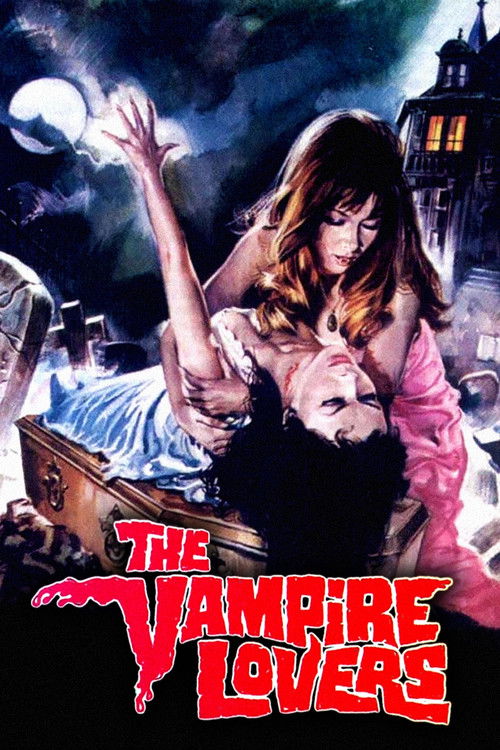
1970
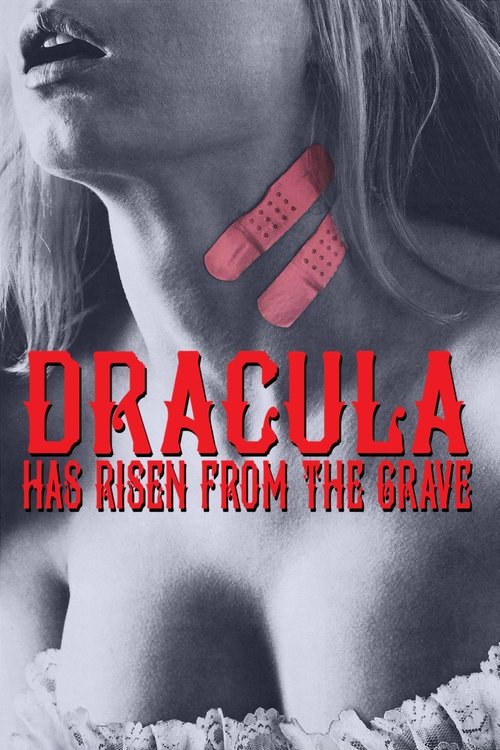
1968
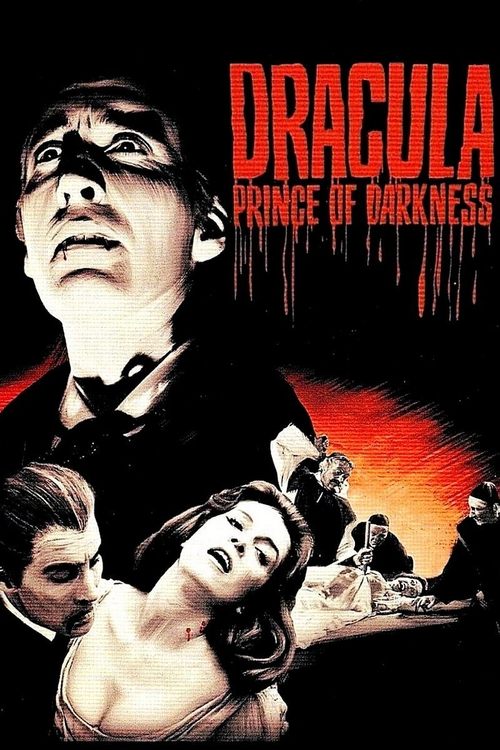
1966
1970
1972
1963

1958
1959
No reviews yet. Be the first to share your thoughts on this movie!
Use the rating form above to leave a star rating and optional review.