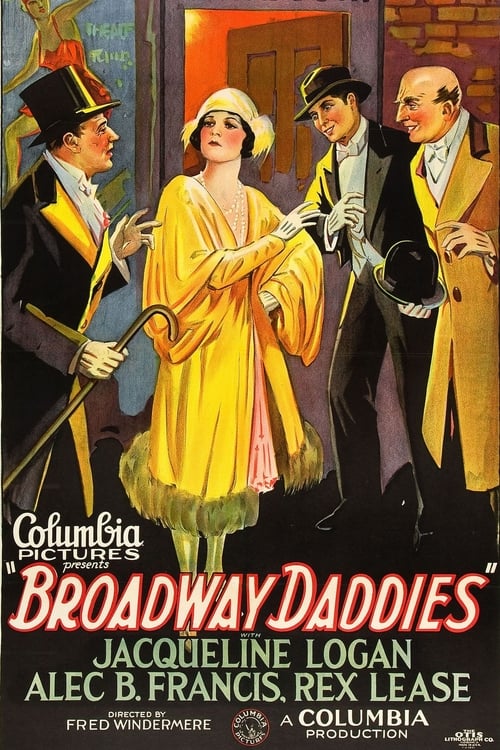
Broadway Daddies
1928
No user ratings available yet
Diversity score: 2.8 out of 10

1928
NRDirector
Fred Guiol, Leo McCarey
Runtime
21 minutes
Average Rating
No ratings yetSynopsis
The pretty daughter of a bank clerk meets a handsome college student who attempts to romance her. Due to the comical nature of the two kids meeting, the father suspects the student to be of ill repute and he and his wife conspire to scare him away by acting crazy.
Overall Score
Limited
Category Breakdown
LGBTQ+ Representation
The film follows a traditional romantic pursuit between a male student and a female clerk's daughter. It lacks any evidence of non-cisnormative identities or critiques of heteronormativity.
Gender Representation
The story centers on a patriarchal courtship dynamic where the daughter is the object of romance. The father's role as a guardian reinforces conventional familial hierarchies.
Racial & Ethnic Diversity
The production reflects the demographic homogeneity of 1928. It adheres to standard Anglo-centric casting norms, offering little to no visible intersectional breadth.
Religious & Cultural Diversity
The narrative reinforces Western social structures and the sanctity of parental authority. It is grounded in middle-class stability, centered around a bank clerk's family.
Disability Representation
The film provides no indication of characters possessing visible or invisible disabilities. No specific depictions are present in the narrative.
Strengths
Areas for Improvement
AI Analysis
The Boy Friend is a period-typical comedy that prioritizes traditional social hierarchies and conventional romantic structures. It utilizes slapstick to reinforce the stability of the domestic sphere and the importance of parental oversight. The narrative architecture lacks the complexity required to challenge established norms. Instead, it relies on standard tropes of the late 1920s, focusing on a middle-class family unit protecting its daughter from perceived external threats. Ultimately, the film functions as a snapshot of early Hollywood's demographic and social homogeneity, offering a narrow view of identity and agency.
1928
1955
1936
1930
1924
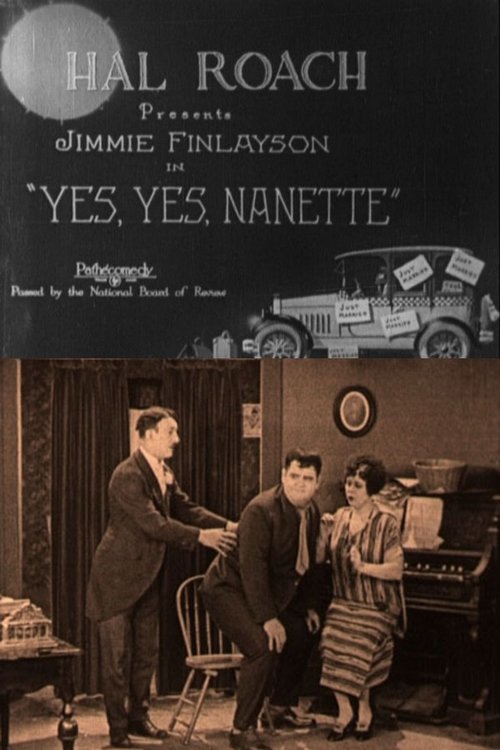
1925
1930
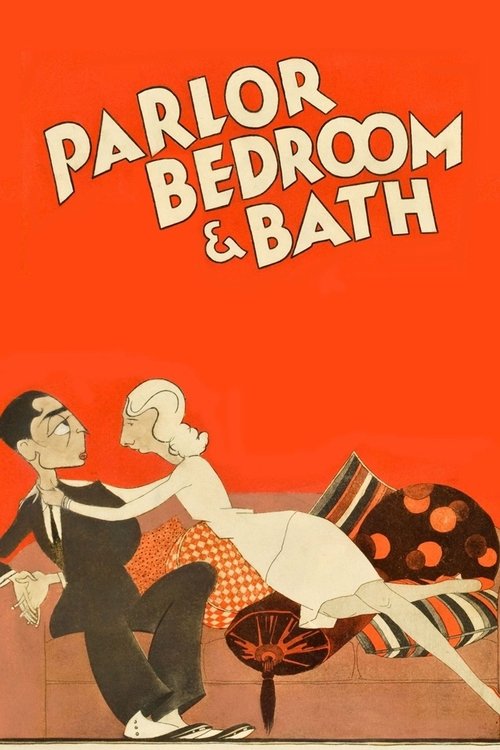
1931
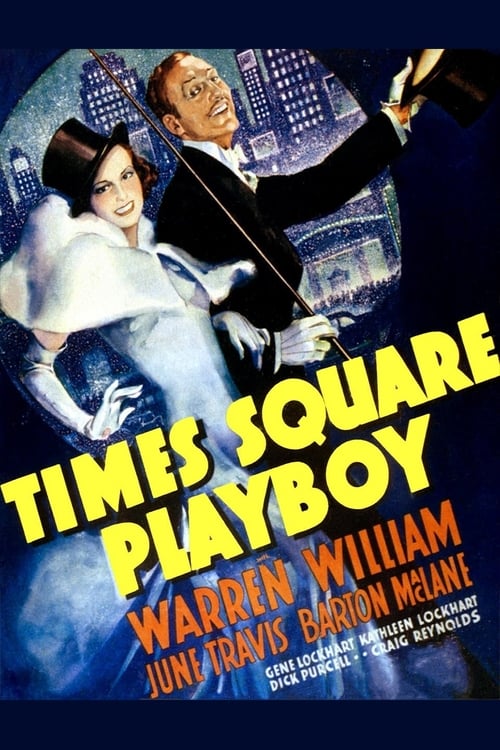
1936
1941
1940
1947
No reviews yet. Be the first to share your thoughts on this movie!
Use the rating form above to leave a star rating and optional review.