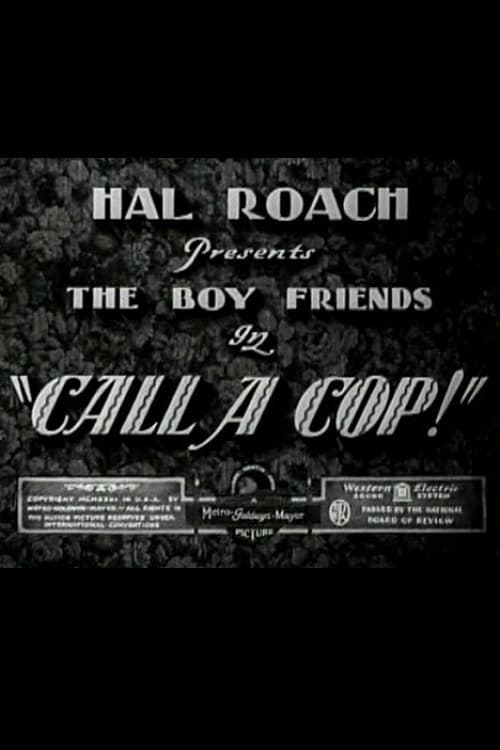
Call a Cop!
1931
No user ratings available yet
Representation score: 1.8 out of 10

Representation Score
Limited
1930
GDirector
James W. Horne
Runtime
20 minutes
Average Rating
No ratings yetNew Showbiz Analysis
This 1930 comedy is a product of its time, functioning as a traditional slapstick short. It adheres strictly to the conventional social and demographic norms of early 20th-century British cinema. The narrative lacks the structure to explore diverse identities or systemic critiques. Instead, it relies on established domestic structures and situational farce to generate humor. The film's focus on a child's attempts to avoid parental discipline limits its scope, offering little room for diverse representation or social commentary.
Category Breakdown
The film centers on a domestic misunderstanding between a child and his parents. It does not depict any non-binary or same-sex relationships or identities.
Gender roles follow traditional early 20th-century norms. Humor arises from situational mishaps and ineffective authority figures rather than any challenge to gender hierarchies.
The cast mirrors the homogeneous demographics typical of 1930s British short comedies. There is no indication of racial diversity or non-white representation.
The story unfolds in a traditional Western home setting centered around the family unit. It relies on established social structures without critiquing institutions or systems.
Physical slapstick drives the comedy, but there are no depictions of neurodivergence or chronic illness. Physical mishaps are situational rather than related to disabilities.
Present on Screen
Limited or Absent
Official Synopsis
Jackie throws his schoolbook out the window in disgust, but then climbs outside to retrieve it. Finding himself locked out, he tries various means of getting back inside without his parents finding out. When his parents mistake his noises for a burglar, a local policeman is called, but he seems incompetent to catch either the phony burglar or the real one who has shown up in the meantime
1931
1940
1942
1924
1933
1924
1935
1930
No reviews yet. Be the first to share your thoughts on this movie!
Use the rating form above to leave a star rating and optional review.