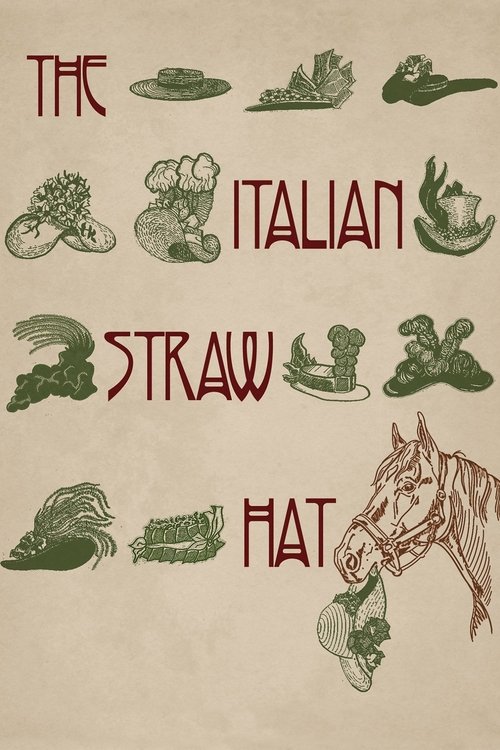
The Italian Straw Hat
1928
No user ratings available yet
Representation score: 1.2 out of 10
Representation Score
Minimal
1925
PassedDirector
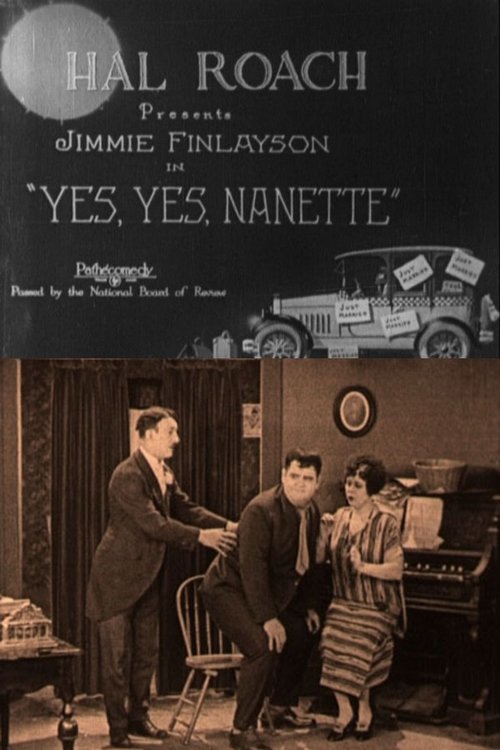
Stan Laurel, Clarence Hennecke
Runtime
11 minutes
Average Rating
No ratings yetNew Showbiz Analysis
The film operates within the rigid social and demographic constraints of the 1920s. It relies on standard comedic clichés of social embarrassment and romantic rivalry to drive the plot. While directed by Stan Laurel, known for later works that subvert authority, this early work follows a conventional arc. It reinforces traditional Western social and family structures without challenging them. Ultimately, the film lacks the intentionality needed to disrupt established hierarchies, functioning instead as a standard situational comedy centered on domestic friction.
Category Breakdown
The film centers on a traditional romantic triangle involving a wife, her husband, and a former lover. There is no indication of LGBTQ+ identities or same-sex relationships.
Nanette serves as the catalyst for the plot, but the main conflict revolves around male social standing. The comedy hinges on the vulnerability and loss of dignity of male characters.
The narrative does not include any diverse cast or multi-layered casting. It seems to adhere to the homogeneous casting standards typical of 1925 American cinema.
The story upholds traditional Western social structures and the sanctity of the family unit. It uses domestic settings to reinforce standard social norms without critiquing them.
The synopsis does not provide any information about characters with visible or invisible disabilities.
Present on Screen
Limited or Absent
Official Synopsis
Nanette sends a letter to her family telling of her new husband, Hillory. When Hillory arrives to meet the family, he gets insulted by each member, including the dog, and loses his wig. After having dinner with the family, Nanette's former lover returns, and Hillory must confront him
1928

1927

1914
1922
1914

1915

1914
1927
No reviews yet. Be the first to share your thoughts on this movie!
Use the rating form above to leave a star rating and optional review.