
She Knew All the Answers
1941
No user ratings available yet
Representation score: 1.1 out of 10
Representation Score
Minimal
1928
PassedDirector
Fred Windemere
Runtime
55 minutes
Average Rating
No ratings yetNew Showbiz Analysis
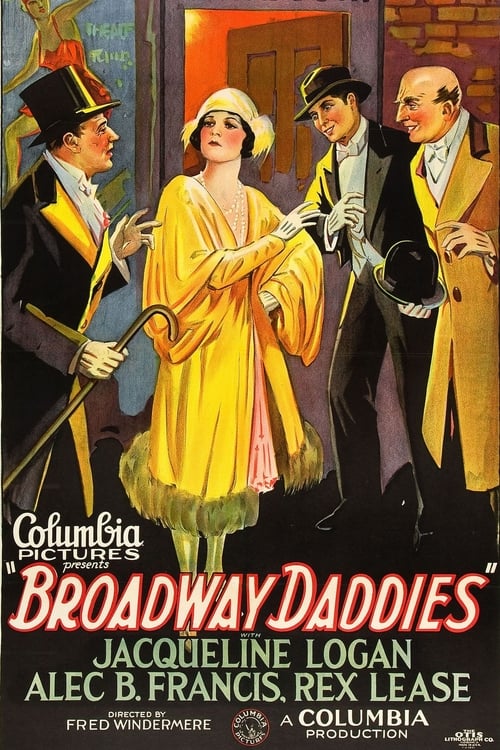
Broadway Daddies is a product of its era, functioning as a standard romantic comedy that reinforces the social and gendered hierarchies of the late 1920s. The plot centers on a classic courtship between a dancer and a man testing his romantic worth through a ruse of poverty. While Eve has some influence in rejecting suitors, the narrative remains tethered to traditional clichés. The focus on class status and socialite culture suggests a narrow, homogeneous worldview typical of the period's commercial cinema.
Category Breakdown
The film follows a traditional romantic storyline where everyone is assumed to be straight or cisgender. There is no depiction of same-sex relationships or non-binary gender identities.
Eve plays a central role in the story, but her influence is tied to her romantic decisions. The plot relies on traditional gender roles and tested virtue clichés.
The story focuses on class mobility and socialite culture, reinforcing the era's standard depictions of homogeneous Western social hierarchies.
The story emphasizes the importance of wealth and the sanctity of the society class. It operates within traditional romantic comedy frameworks without challenging institutions.
The film contains no mention of characters with visible or invisible disabilities.
Present on Screen
Limited or Absent
Official Synopsis
Eve, a beautiful young nightclub dancer, turns down a string of wealthy and powerful suitors for Robert, a poor but ambitious young man. What Eve doesn't know is that Robert is the son of a wealthy businessman and is just pretending to be poor to see if she really loves him. However, an item in the society pages gives away Robert's true identity. Complications ensue.
1941

1926
1928
1927
1938

1929

1934

1928
No reviews yet. Be the first to share your thoughts on this movie!
Use the rating form above to leave a star rating and optional review.