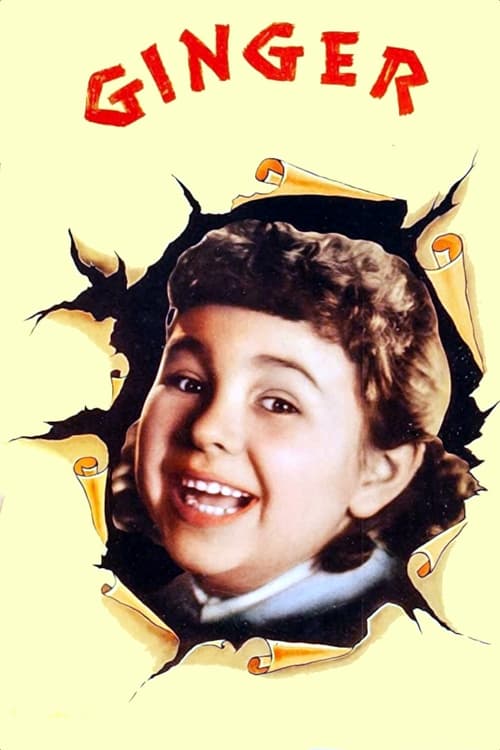
Ginger
1935
No user ratings available yet
Representation score: 1.1 out of 10
Representation Score
Limited
1917
NRDirector
Marshall Neilan
Runtime
78 minutes
Average Rating
No ratings yetNew Showbiz Analysis
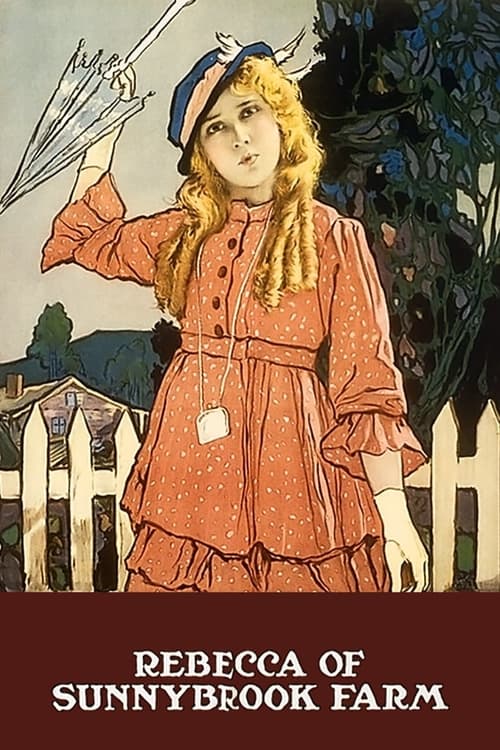
Rebecca of Sunnybrook Farm is a sentimental drama that finds its strength in the emotional resilience of its female protagonist. By centering on a spirited young girl who challenges the rigid authority of her aunt, the film avoids the era's typical submissive female clichés. The involvement of screenwriter Frances Marion provides a narrative foundation rooted in emotional resilience. However, the film is limited by the demographic norms of its era. It presents a homogeneous social landscape that lacks racial diversity and offers no queer representation. The focus remains on a localized, rural American setting that reinforces existing social structures rather than deconstructing them. Ultimately, while the film succeeds in portraying individual character over class-based etiquette, it lacks the complexity required for a broader social critique. It functions as a moralistic tale of community and kindness rather than a diverse or systemic exploration.
Category Breakdown
The film does not depict any queer identities or non-conforming gender narratives. The social landscape is strictly oriented towards straight relationships.
Rebecca is a spirited protagonist who drives the emotional arc through her strong role in the story. Her conflict with Aunt Miranda challenges the cliché of female submissiveness.
The narrative presents a homogeneous social environment. There is no evidence of actors from non-white or non-Anglo-Saxon backgrounds in this rural setting.
The story emphasizes traditional Western values like community and moral strength. It offers a mild critique of class-based hierarchies through Rebecca's interactions with wealthy peers.
The film lacks explicit representation of physical or neurodivergent disabilities. The central struggle focuses on socioeconomic hardship rather than disability-specific issues.
Present on Screen
Limited or Absent
Official Synopsis
Behind in the mortgage on Sunnybrook Farm and barely managing to feed seven hungry mouths, mother sends young Rebecca off to Riverboro to be raised by her wealthy Aunt Miranda. The little girl is treated like a prisoner by her strict Aunt, yet she gamely does her best to get an education. When spoiled girls at school mock the spirited Rebecca as "missy poor-house," she soon makes them come to eat their words. Despite many difficulties, Rebecca manages to help the less fortunate and spread joy in Riverboro, dreaming that her reward will come when she is "all growed up." This version is notable for having been adapted by famed female screenwriter Frances Marion.
1935

1920
1932

1930
1912

1920
1925

1940
No reviews yet. Be the first to share your thoughts on this movie!
Use the rating form above to leave a star rating and optional review.