Annaluise & Anton
1953
No user ratings available yet
Diversity score: 2.6 out of 10
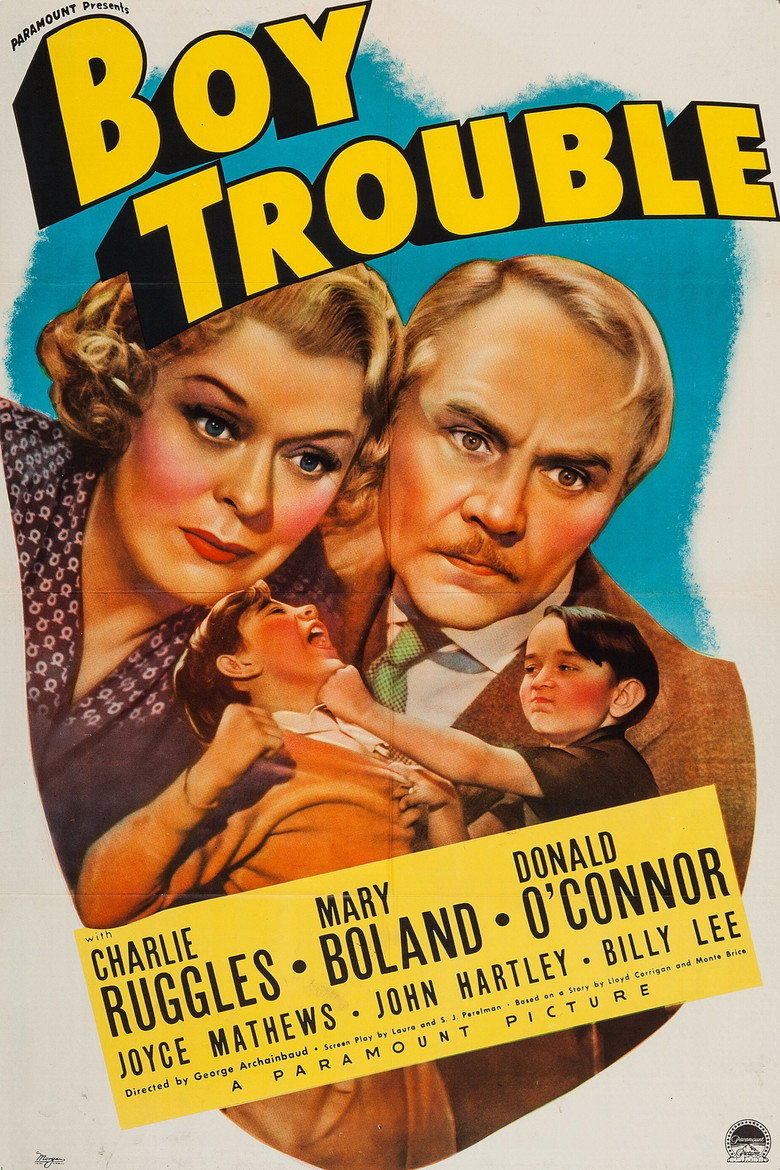
1939
NRDirector
George Archainbaud
Runtime
75 minutes
Average Rating
No ratings yetSynopsis
A fussy shopkeeper's life drastically changes when his wife takes in two homeless boys.
Overall Score
Limited
Category Breakdown
LGBTQ+ Representation
The film lacks any evidence of non-cisnormative identities or same-sex intimacy. It centers on a traditional domestic unit following the heteronormative standards of 1939.
Gender Representation
The story focuses on a fussy shopkeeper, suggesting a patriarchal domestic authority. Female characters appear to occupy traditional, supportive roles within a conventional family structure.
Racial & Ethnic Diversity
The production reflects the homogeneous casting norms of the late 1930s. There is no indication of a non-white majority cast or diverse ethnic representation.
Religious & Cultural Diversity
The narrative is rooted in traditional notions of charity and community. It reinforces mid-century values regarding family stability and social responsibility.
Disability Representation
There is no mention of characters with physical or neurodivergent disabilities. The children's homelessness relates to socio-economic status rather than disability representation.
Strengths
Areas for Improvement
AI Analysis
Boy Trouble is a product of the 1930s studio system, adhering strictly to the era's conventional storytelling and social hierarchies. The narrative prioritizes a traditional domestic framework centered around a shopkeeper and his wife. While the film explores themes of charity through the adoption of homeless boys, it does so within a narrow, homogeneous social lens. It lacks the intersectional depth or intentionality needed to challenge the period's standard tropes. Ultimately, the film serves as a snapshot of mid-century Western values, focusing on established social structures rather than diverse or subversive perspectives.
No reviews yet. Be the first to share your thoughts on this movie!
Use the rating form above to leave a star rating and optional review.