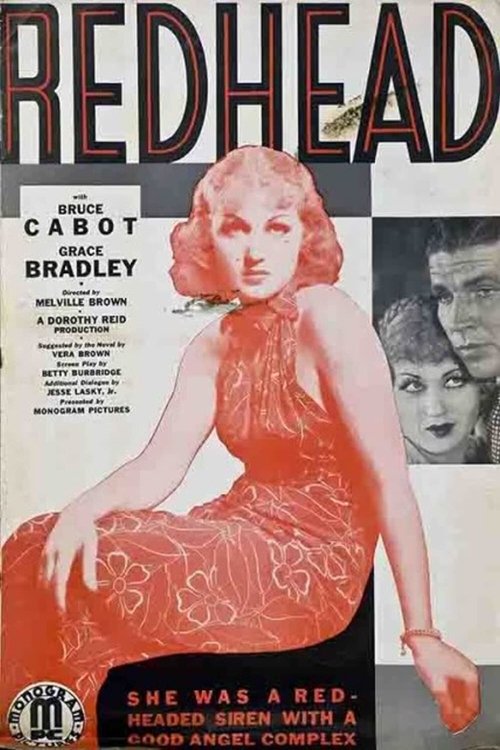
Redhead
1934
No user ratings available yet
Representation score: 2.0 out of 10
Representation Score
Minimal
1925
PassedDirector
John Ford
Runtime
70 minutes
Average Rating
No ratings yetNew Showbiz Analysis
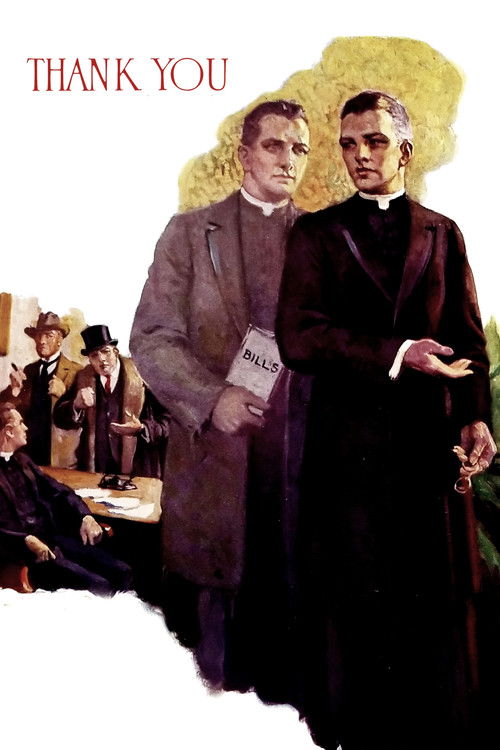
John Ford’s 1925 drama operates within the rigid social and institutional hierarchies of its era. The story relies heavily on traditional clichés of religious morality and patriarchal authority to drive its narrative arc. While the film touches on class friction through the Reverend's economic struggles with the vestrymen, it remains firmly rooted in conservative social values. The character dynamics reinforce the status quo rather than challenging it. Ultimately, the film reflects the demographic and social homogeneity typical of early 20th-century rural American cinema, offering little deviation from conventional storytelling norms.
Category Breakdown
The film follows traditional structures that assume everyone is straight or cisgender. The central romantic tension revolves around the pairing of Kenneth Jamieson and Diane Lee.
Male characters drive the plot through redemption and moral leadership. Diane Lee plays a significant role but her influence remains secondary to the male-driven narratives.
The setting in Dedham suggests a homogeneous, predominantly white cast. There is no evidence of racial blending or non-white protagonists in the story.
The narrative prioritizes traditional Western institutions like the Church and nuclear family. It focuses on moral realignment rather than deconstructing systemic social structures.
A period of grave illness serves as a plot device for character development. It lacks a nuanced exploration of disability or neurodivergence.
Present on Screen
Limited or Absent
Official Synopsis
Young Kenneth Jamieson's millionaire father, fed up with his son's wild escapades, sends him to stay on a chicken farm in the small village of Dedham. On the day he arrives there pretty Diane Lee, the niece of local Rev. David Lee, arrives from Paris. A few days later Kenneth, reverting back to his wild ways, gets drunk and makes a spectacle of himself, but rather than reproving him, Rev. Lee gives him a heart-to-heart talk and gets Kenneth to turn his life around. Meanwhile, the reverend--barely able to get by on the pittance the local vestrymen pay him--asks for a raise but is denied it, being told that he must send Diane away before they'll even consider giving him any extra money. Soon afterward Kenneth falls gravely ill. His father, hearing of Kenneth's condition and of his infatuation with Diane, arrives at the village to see his son and isn't ready for what he finds.
1934

1937
1935

1930
1932

1921

1932
1917
No reviews yet. Be the first to share your thoughts on this movie!
Use the rating form above to leave a star rating and optional review.