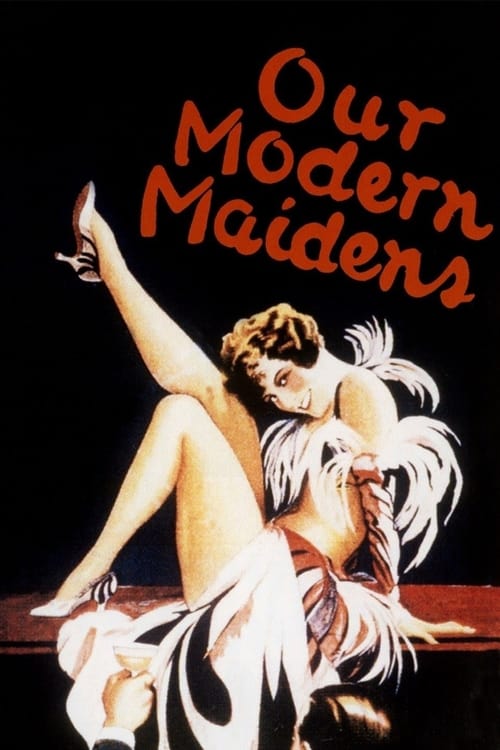
Our Modern Maidens
1929
No user ratings available yet
Representation score: 1.1 out of 10
Representation Score
Minimal
1916
Director
John Emerson
Runtime
52 minutes
Average Rating
No ratings yetNew Showbiz Analysis
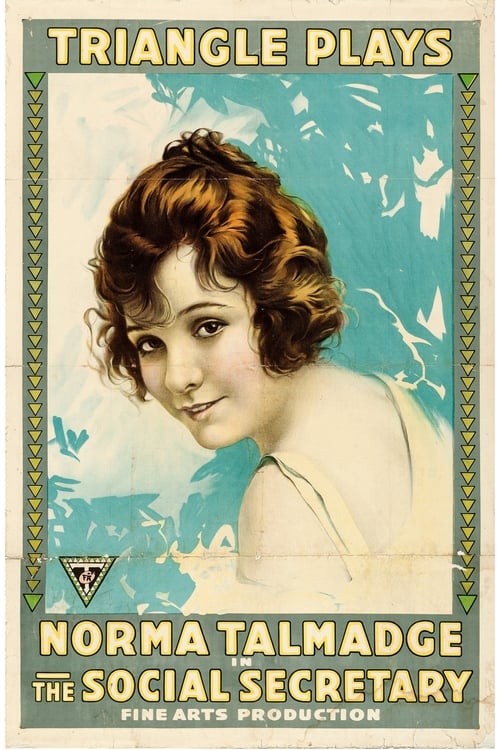
Social Secretary is a period drama that delves into the dynamics of workplace power and gender. While it highlights a female protagonist's resistance to male entitlement, it remains confined within the social norms of its time. The film lacks diversity, focusing instead on a homogeneous and traditional social framework.
Category Breakdown
The film does not include any LGBTQ+ identities or narratives centered around queer relationships.
A female protagonist navigates a workplace dominated by male authority. Her struggles highlight her autonomy within a restrictive environment.
The film reflects the homogeneous society of early 1910s America, with no indication of a diverse cast.
The narrative adheres to the moral and cultural norms of early 20th-century Western society, focusing on conventional social stability.
The film does not feature any characters with visible or invisible disabilities.
Present on Screen
Limited or Absent
Official Synopsis
An attractive young girl struggles to hold a job as she deals with unwanted romantic advances from her boss.
1929

1928
1920

1927
1919
1930
1919
1919
No reviews yet. Be the first to share your thoughts on this movie!
Use the rating form above to leave a star rating and optional review.