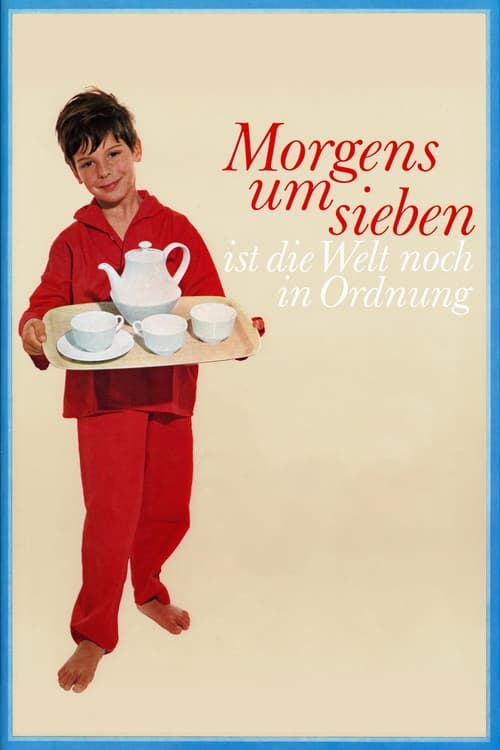
In the Morning at Seven the World Is Still in Order
1968
No user ratings available yet
Diversity score: 1.8 out of 10
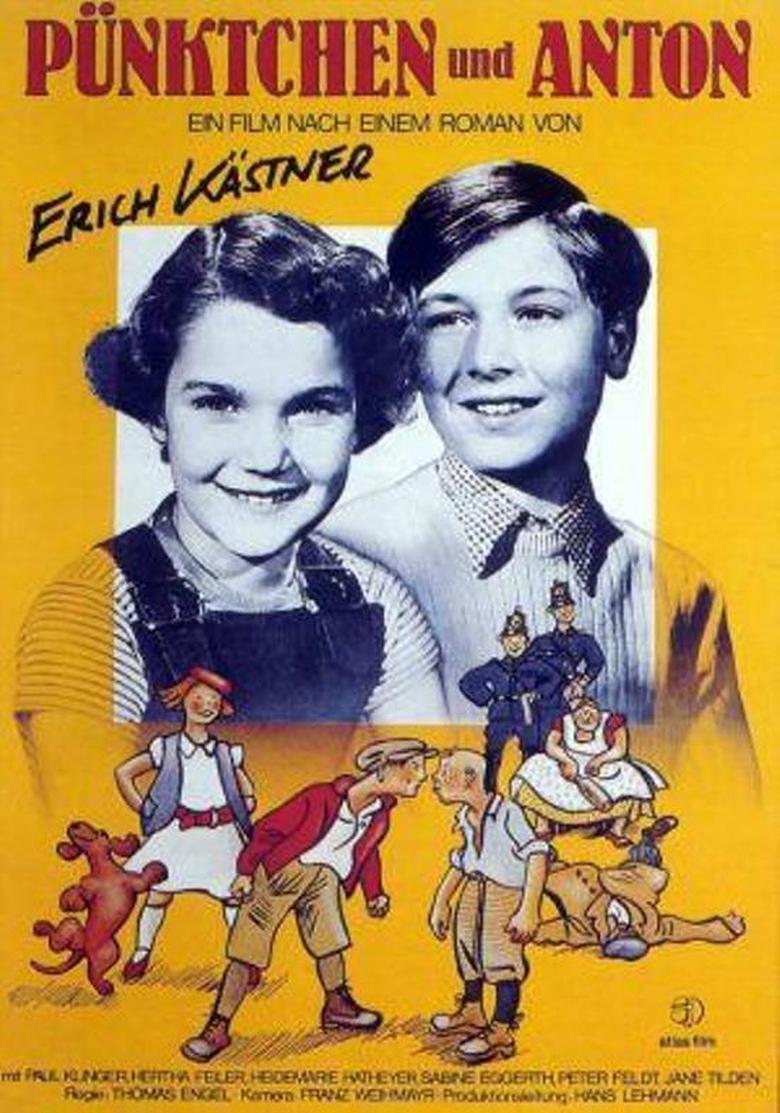
1953
Director
Thomas Engel
Runtime
91 minutes
Average Rating
No ratings yetSynopsis
Despite their social differences Luise, called Pünktchen, a girl from rich parentage befriends Anton, a boy who has to earn his own money in order to afford life for his sick mother and himself. Together they undergo different adventures, even preventing a theft in Pünktchens home
Overall Score
Limited
Category Breakdown
LGBTQ+ Representation
The film operates within the strict heteronormativity of 1953 German cinema. There is no evidence of queer narratives or non-heteronormative identities present in the story.
Gender Representation
Pünktchen shows agency by initiating a friendship and participating in adventures. However, the film maintains a traditional gender framework without subverting masculine authority or hierarchies.
Racial & Ethnic Diversity
The narrative focuses on localized European socio-economic stratification. It lacks a multi-ethnic cast and does not include non-white characters.
Religious & Cultural Diversity
The story explores wealth versus poverty but reinforces traditional moral and legal orders. It prioritizes social cohesion over systemic critiques of capitalism.
Disability Representation
A sick mother serves as a narrative catalyst for the protagonist's struggle. This use of illness functions more as a plot device than a nuanced exploration of disability.
Strengths
Areas for Improvement
AI Analysis
Annaluise & Anton is a period-typical exploration of class distinctions. It succeeds in highlighting the tension between different socio-economic backgrounds through the friendship of its young protagonists. However, the film remains firmly rooted in the conventional social structures of the mid-century era. The narrative lacks intersectional complexity, focusing almost exclusively on economic disparity within a localized setting. While the themes of caregiving and poverty provide emotional weight, they do not challenge systemic issues or offer diverse representation beyond the central class conflict.
1968
1939

2014
1962

2021
1979
No reviews yet. Be the first to share your thoughts on this movie!
Use the rating form above to leave a star rating and optional review.