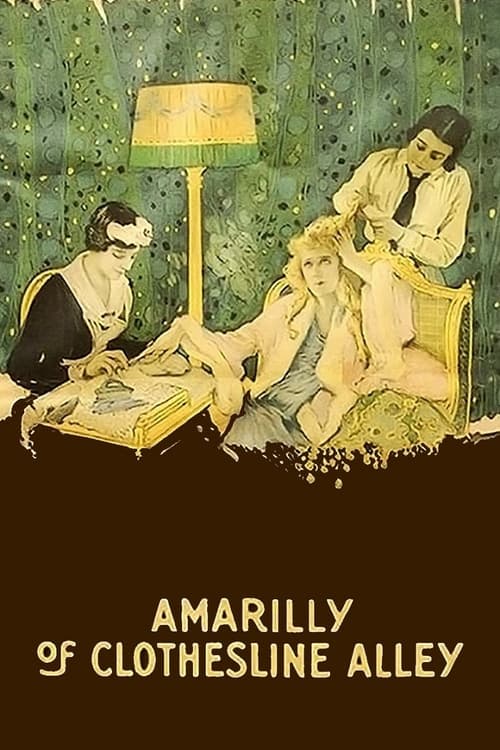
Amarilly of Clothes-Line Alley
1918
No user ratings available yet
Diversity score: 2.6 out of 10

1918
NRDirector
Marshall Neilan
Runtime
84 minutes
Average Rating
No ratings yetSynopsis
Stella Maris is a beautiful, crippled girl, who is cared for by a rich family. They shield her from the harsh realities of the world, so that she has no idea of the cruel things that some people do. Unity Blake is a poor orphan all too familiar with the harsh realities of the real world. These two young women both fall in love with John, love which is complicated by the fact that he is still married to (though separated from) a bad wife.
Overall Score
Limited
Category Breakdown
LGBTQ+ Representation
The film lacks any evidence of non-heteronormative identities. The plot centers on a traditional romantic triangle between a man and two women.
Gender Representation
Two female archetypes drive the emotional narrative: a protected, disabled girl and a hardened orphan. However, their roles rely on Victorian tropes of vulnerability and emotional endurance.
Racial & Ethnic Diversity
The production reflects the homogeneous casting standards of the early 20th century. There is no indication of non-Anglo-Saxon characters or diverse ethnic representation.
Religious & Cultural Diversity
The story explores class disparity by contrasting a wealthy family with a poor orphan. This setup provides a commentary on social stratification and inequity.
Disability Representation
Stella Maris is a central character defined by her physical disability. Her condition appears to function as a tool for melodrama and pathos rather than empowerment.
Strengths
Areas for Improvement
AI Analysis
Stella Maris is a product of its era, operating within the conventional moral and social frameworks of the silent film period. The narrative focuses on sentimental melodrama and traditional romantic structures. While the film introduces complexity through class conflict and the lived experience of disability, it lacks intersectional depth. The characters largely inhabit established social hierarchies rather than subverting them. Ultimately, the film's representation is limited by the period's cinematic conventions, prioritizing emotional archetypes over systemic or diverse perspectives.
1918
1919
1925
1923
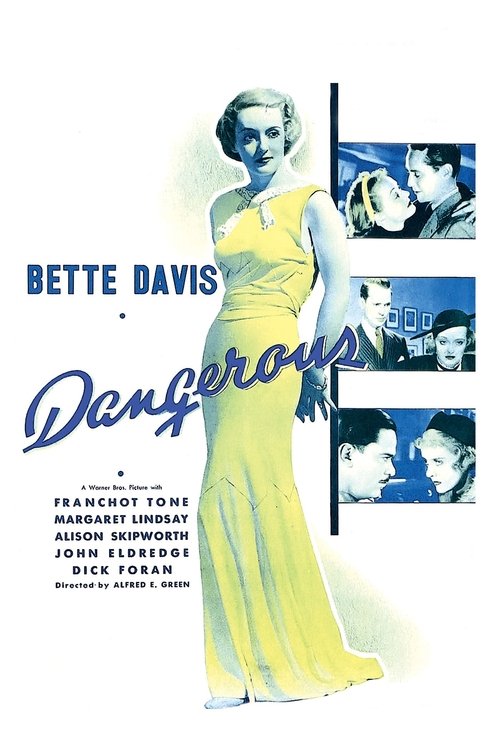
1935
1928
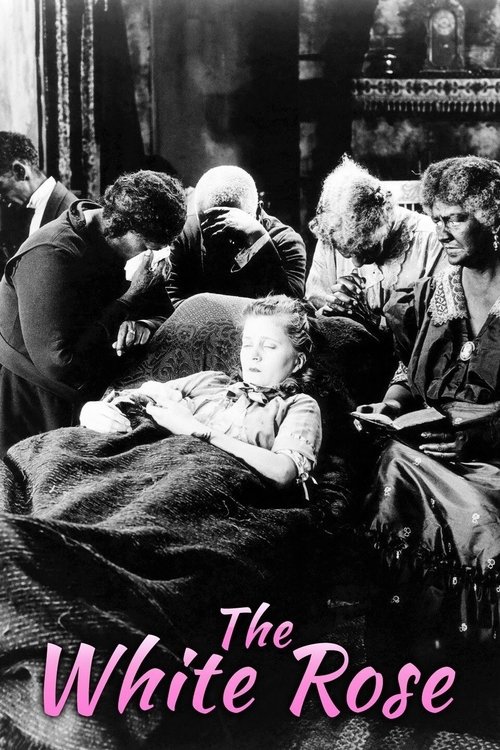
1923
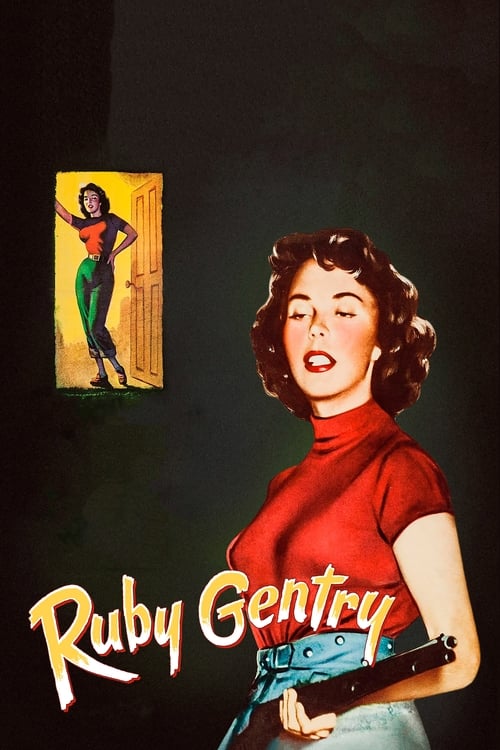
1952
1921
1922
1926

1924
No reviews yet. Be the first to share your thoughts on this movie!
Use the rating form above to leave a star rating and optional review.