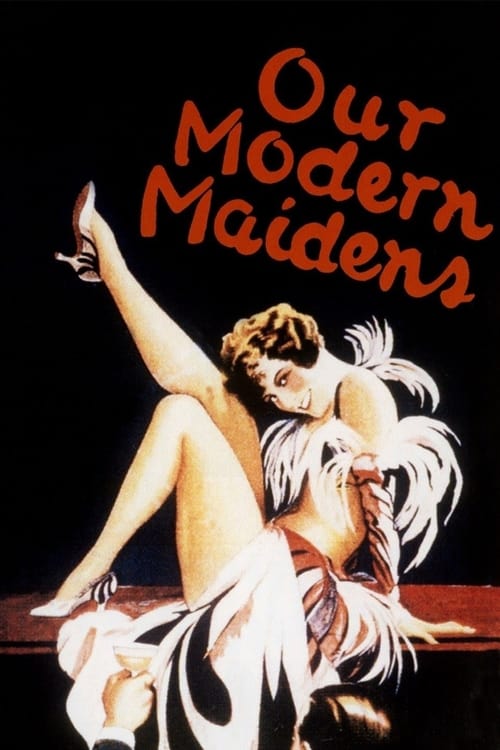
Our Modern Maidens
1929
No user ratings available yet
Diversity score: 2.2 out of 10
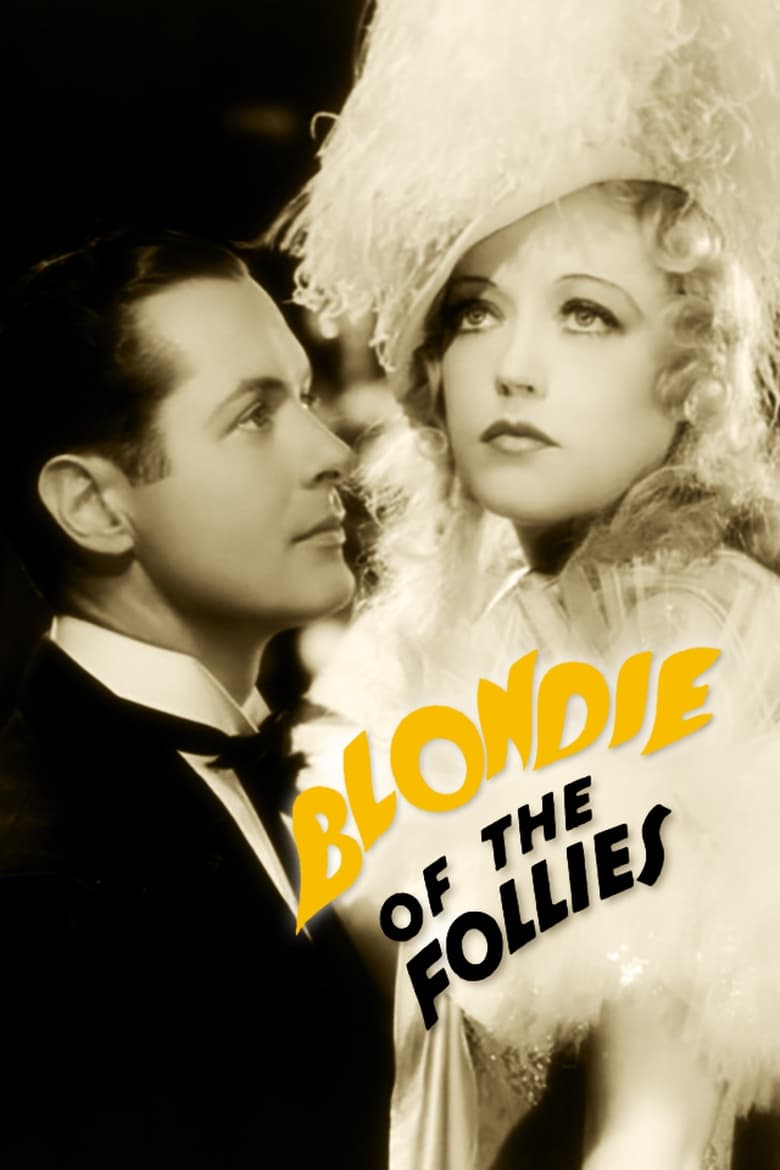
1932
NRDirector
Edmund Goulding
Runtime
91 minutes
Average Rating
No ratings yetSynopsis
New York City tenement dwelling neighbors Blondie and Lottie are longtime best friends. When Lottie makes the cast of the Follies and moves up in the world, she arranges for Blondie, as well, to join the cast and gain the advantages. But the friendship goes awry when Lottie's sweetheart, wealthy Larry Belmont, falls for Blondie and she for him.
Overall Score
Limited
Category Breakdown
LGBTQ+ Representation
The film follows a conventional romantic trajectory centered on a heterosexual love triangle. It adheres to the social mores of the early 1930s without challenging heteronormative structures.
Gender Representation
The narrative centers on the ambitions and interpersonal conflicts of women like Blondie and Lottie. While providing female agency in show business, the resolution remains tethered to traditional romantic hierarchies.
Racial & Ethnic Diversity
The film reflects the homogeneous casting norms of the era. There is no evidence of significant racial blending or non-white casts used to challenge 1930s social structures.
Religious & Cultural Diversity
The story prioritizes the social hierarchies of the theatrical elite and the nouveau riche. It uses Broadway settings to facilitate a standard narrative of upward mobility rather than critiquing institutions.
Disability Representation
There is no discernible evidence within the character arcs regarding the portrayal of physical or neurodivergent disabilities.
Strengths
Areas for Improvement
AI Analysis
Blondie of the Follies functions as a quintessential period piece, prioritizing escapist entertainment over subversive storytelling. While the film grants its female protagonists agency within the professional sphere of show business, these ambitions are ultimately secondary to a traditional romantic conflict involving a male figure. The production reflects the social constraints and homogeneous casting norms of the early 1930s. It focuses on individual social mobility within existing hierarchies rather than offering a critique of systemic power dynamics or racial structures. Ultimately, the film relies on conventional tropes of social climbing and romantic tension, making it a standard musical comedy of its era rather than a vehicle for intersectional representation.
1929
1932
1912
1930
1932
1934
1955
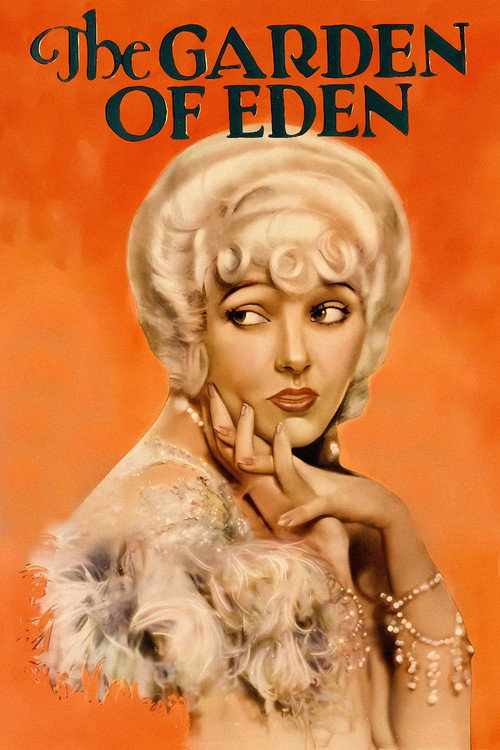
1928
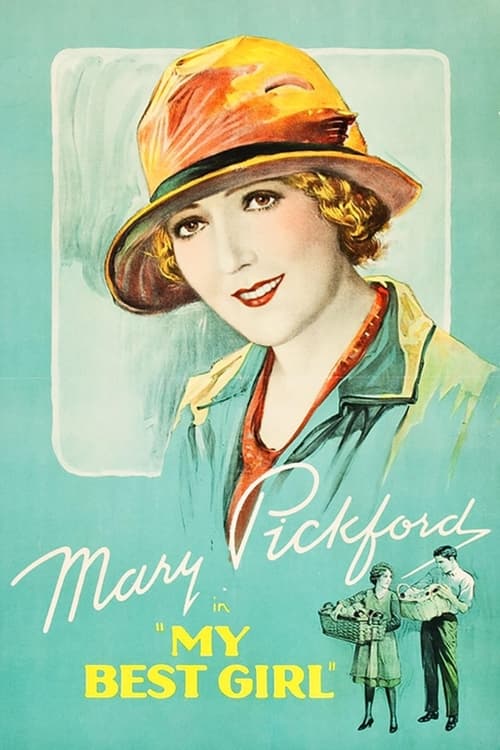
1927
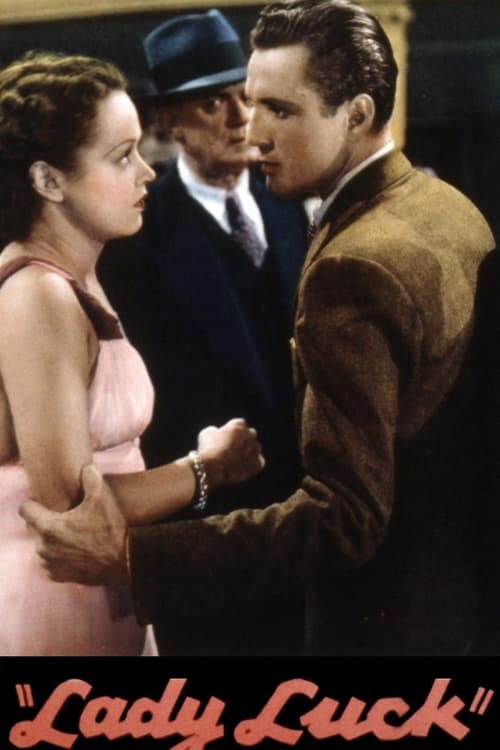
1936
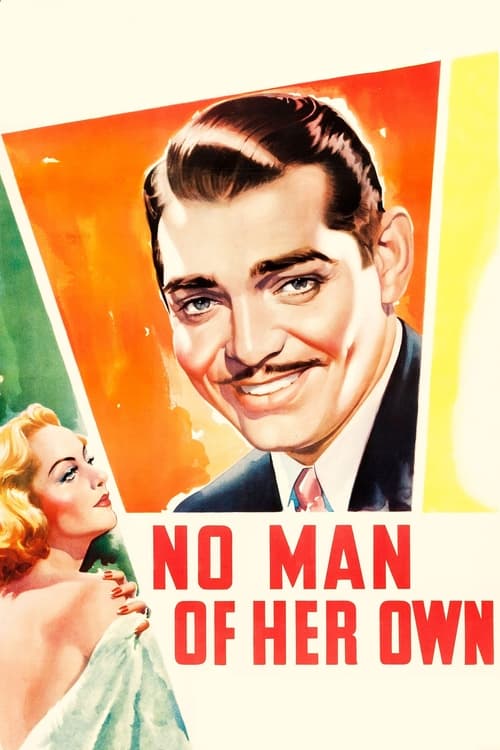
1932
1937
No reviews yet. Be the first to share your thoughts on this movie!
Use the rating form above to leave a star rating and optional review.