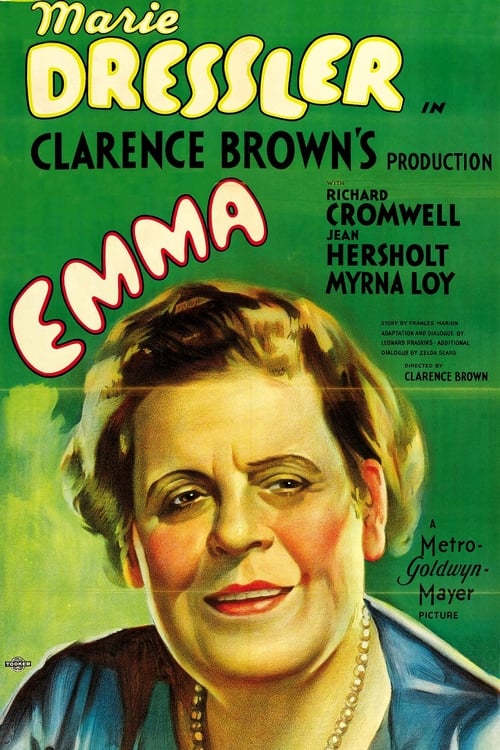
Emma
1932
No user ratings available yet
Representation score: 1.6 out of 10
Representation Score
Minimal
1935
NRDirector
Lewis Seiler
Runtime
80 minutes
Average Rating
No ratings yetNew Showbiz Analysis
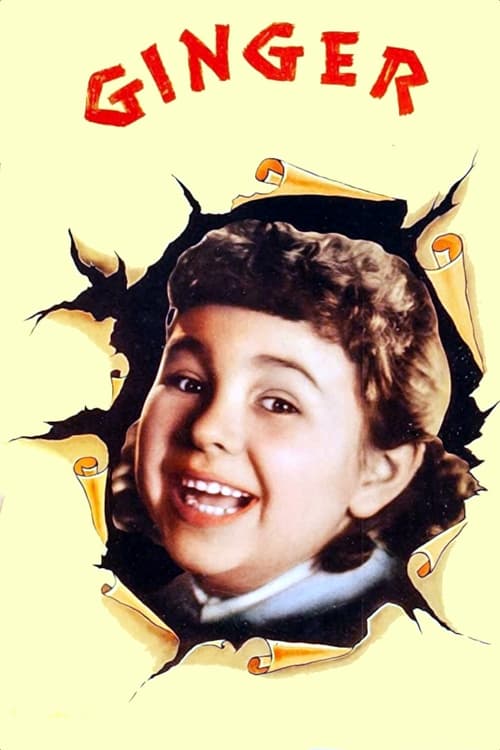
Ginger embodies the conventional morality and domestic structures of the 1930s studio system. While she displays notable competence and responsibility, the film remains rooted in the social hierarchies of its time. The story focuses on class-based conflicts and sentimental themes of orphanhood, lacking the depth or critique needed to go beyond the era's cinematic conventions.
Category Breakdown
The film does not include any LGBTQ+ characters or non-cisgender identities. The story focuses on traditional family and domestic life typical of the 1930s.
Ginger is a strong female protagonist who manages her household and cares for her uncle. Her strength is defined through traditional caretaking roles.
The story centers on class conflicts rather than ethnic diversity. The setting suggests a homogeneous cast consistent with the era's demographics.
The film uses traditional sentimental themes related to orphanhood and foster care. It operates within a standard moral framework without critiquing social institutions.
There are no characters with visible or invisible disabilities in the narrative.
Present on Screen
Limited or Absent
Official Synopsis
Ginger, an orphan, is living with her foster-uncle, Rexford Whittington, a broken-down Shakesperian actor. Although denied the love of a mother and father, Ginger looks after her uncle, gives him lectures, loves him, defends him and keeps house for him. But, through a meddling do-gooder, she is placed in the home of the Parkers, and clashes immediately with the pampered young son, Hamilton.
1932

1937
1939

1921
1939

1958
1930
1925
No reviews yet. Be the first to share your thoughts on this movie!
Use the rating form above to leave a star rating and optional review.