Daens
1992
No user ratings available yet
Representation score: 4.6 out of 10
Representation Score
Good
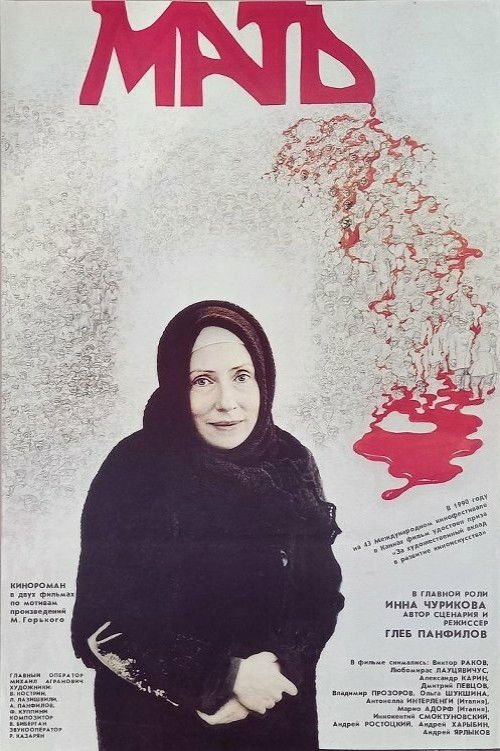
1990
Director
Gleb Panfilov
Runtime
200 minutes
Average Rating
No ratings yetNew Showbiz Analysis
Panfilov’s adaptation of Gorky’s work is a profound exploration of systemic upheaval. It successfully deconstructs traditional social hierarchies by centering the transition from domestic passivity to collective political ability to act. The film challenges the sanctity of the nuclear family and state authority, framing them as obstacles to liberation. While the film lacks contemporary identity-based markers like LGBTQ+ representation or multi-ethnic casting, its narrative intent is deeply rooted in dismantling established power structures. The portrayal of the protagonist's evolution provides a strong critique of the oppressive Tsarist era. Ultimately, the film's strength lies in its thematic depth regarding class struggle. It uses the industrial setting to examine how systemic exploitation degrades human dignity and necessitates social mobilization.
Category Breakdown
The film focuses on the socioeconomic and political awakening of the working class. There is no evidence of LGBTQ narratives within this historical adaptation.
The narrative shifts from domestic subjugation to the protagonist's empowerment. She evolves from a victim of patriarchal violence into a pivotal political figure, challenging traditional gender roles.
Casting reflects the demographic realities of late 19th-century Russia. The focus on the proletariat serves as a metaphorical exploration of class-based identity and underrepresented group dynamics.
The film critiques capitalist structures and traditional institutions through a Marxist lens. It emphasizes collective struggle and socialist thought over individualist or religious morality.
The story depicts the physical and psychological toll of industrial labor. While it lacks characters with recognized disabilities, it explores how systemic environments impact mental health.
Present on Screen
Limited or Absent
Official Synopsis
The social ferment in late 19th century Russia which led to the 1917 Russian Revolution is movingly portrayed in this lengthy historical drama, which is very faithful to the 1907 novel The Mother by the celebrated Marxist writer Maxim Gorky (1868-1936). In the story, "the mother" has no other recourse than to watch her decent, kindly husband turn into an animalistic, drunken brute as a result of working in the inhuman conditions of a steel mill in the town of Sormovo. When he begins to express his suppressed rage by beating her, she is defended by her teenaged son Pavel. After his father's death, Pavel is forced to go to work in the same factory. However, Pavel and his friends begin investigating Marxism and socialist thought, and work to organize their fellow workers.
1992
1928
1986
1925
1937
1954
1972
1987
No reviews yet. Be the first to share your thoughts on this movie!
Use the rating form above to leave a star rating and optional review.