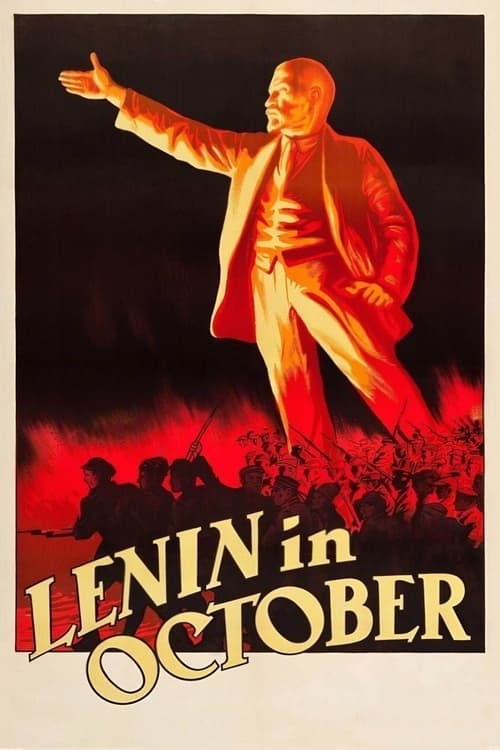
Lenin in October
1937
No user ratings available yet
Representation score: 5.6 out of 10
Representation Score
Limited
1928
Director
Sergei Eisenstein, Grigori Aleksandrov
Runtime
115 minutes
Average Rating
No ratings yetNew Showbiz Analysis
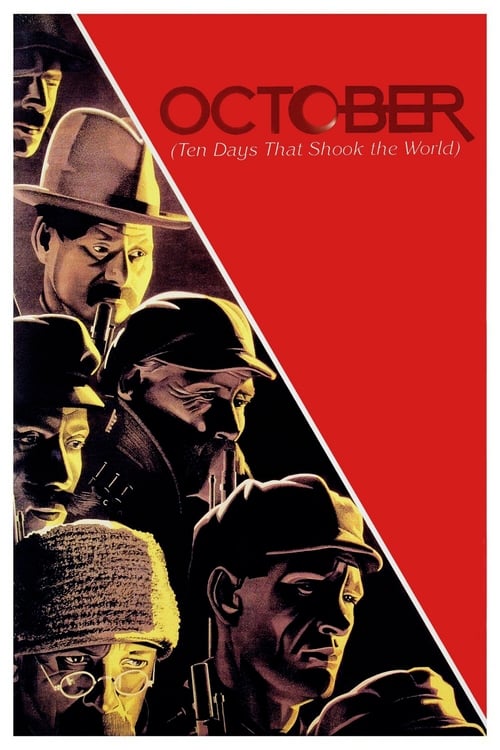
Eisenstein’s film prioritizes ideological impact and the power of the collective over individual identity politics. By using the 'montage of attractions,' the film aims to break down traditional storytelling to serve a revolutionary purpose. While the film lacks representation for LGBTQ+ and disabled individuals, it excels in its cultural deconstruction. It challenges established Western-style governance and religious hierarchies, presenting them as systems of oppression. Ultimately, the work prioritizes socioeconomic unity over personal identity. It succeeds as a critique of institutional power but remains limited by its focus on a homogeneous, idealized proletariat.
Category Breakdown
The film does not depict any non-straight relationships or identities. It focuses solely on class-based struggles, leaving no room for queer stories.
Women are shown as workers and soldiers, not just domestic figures. However, the film emphasizes the collective 'mass hero' over individual women's roles.
The film focuses mainly on the internal class struggle of the Russian working class. Diversity is shown through different socioeconomic levels rather than ethnic variety.
It offers a strong critique of monarchy, bourgeois state, and religious authority. It highlights the dismantling of these traditional, oppressive structures.
There is no focus on neurodivergence or physical disabilities. Characters are portrayed as idealized, healthy revolutionaries.
Present on Screen
Limited or Absent
Official Synopsis
Sergei M. Eisenstein's docu-drama about the 1917 October Revolution in Russia. Made ten years after the events and edited in Eisenstein's 'Soviet Montage' style, it re-enacts in celebratory terms several key scenes from the revolution.
1937

1925
1958

1927
1951

1957
1939
1936
No reviews yet. Be the first to share your thoughts on this movie!
Use the rating form above to leave a star rating and optional review.