
Quiet Flows the Don
1957
No user ratings available yet
Representation score: 2.9 out of 10
Representation Score
Fair
1972
Director
Viktor Tregubovich
Runtime
172 minutes
Average Rating
No ratings yetNew Showbiz Analysis
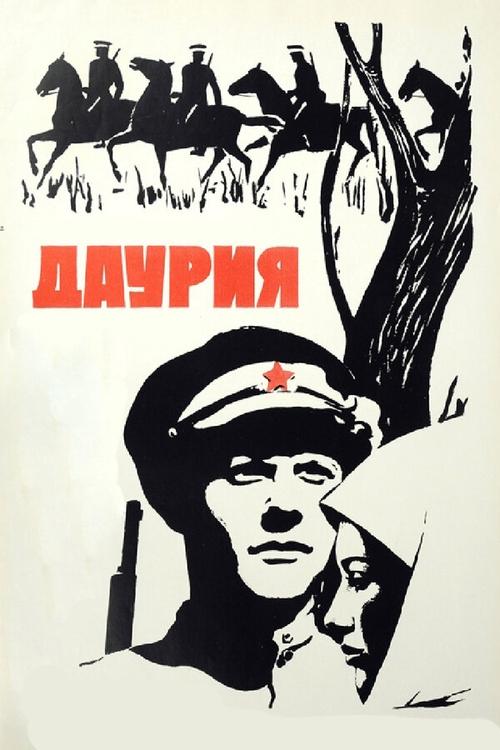
Dauria is a historical drama that examines the collapse of traditional class hierarchies through the lens of the Russian Civil War. It uses the multi-ethnic Baikal region to reflect broader social changes. The film effectively critiques cultural and social structures, presenting a multi-ethnic landscape that mirrors the class struggle. However, it lacks representation for LGBTQ+ individuals and people with disabilities, focusing solely on heterosexual romance and socioeconomic shifts.
Category Breakdown
The film follows traditional Soviet cinema standards from 1972. It focuses on heterosexual relationships and does not include any non-traditional gender identities or same-sex stories.
Women are shown as part of the political turmoil of the time. They go beyond typical domestic roles and participate in significant events.
The film sets its scene in the diverse Baikal region, highlighting a multi-ethnic frontier during the Russian Civil War.
The story offers a progressive look at traditional institutions and the merchant class, celebrating the breakdown of oppressive capitalist systems.
There is no representation of visible or invisible disabilities in the film's narrative or historical context.
Present on Screen
Limited or Absent
Official Synopsis
A chronicle of life in a small village in the Baikal Region on the eve of World War I and at the time of the October Revolution. The age-old foundations are crumbling, the process of social stratification is underway and, as a result, some people go to defend the revolution, and others - to fight against it. The main hero is the young Cossack Roman Ulybin. At first, this carefree daredevil is preoccupied only with one problem: whether his sweetheart, Dashutka, is to marry him or a merchant’s son, Alyoshka. Roman is killing time fist-fighting with his rival. But little by little, the young man realizes that the world around him has changed, that people are fighting for equality and social justice, and, being a real Cossack, he can’t remain on the sidelines…
1957
1928
1939
1995
1931
1930
1966
1981
No reviews yet. Be the first to share your thoughts on this movie!
Use the rating form above to leave a star rating and optional review.