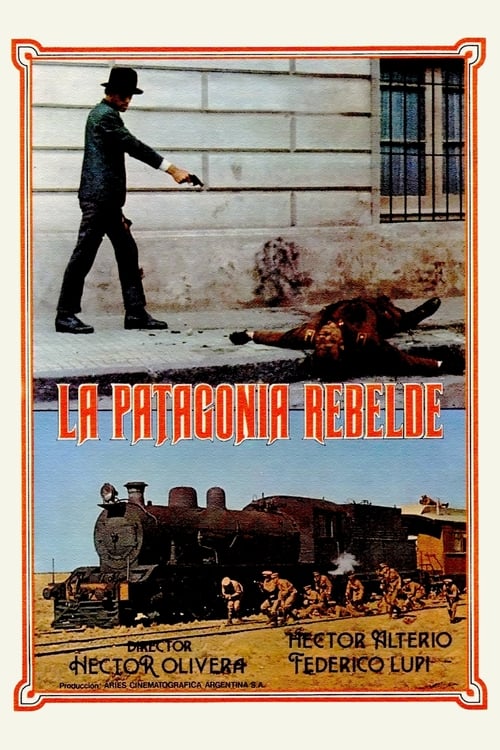
Rebellion in Patagonia
1974
No user ratings available yet
Representation score: 3.6 out of 10
Representation Score
Limited
2019
Director
Víctor Cabaco
Runtime
89 minutes
Average Rating
No ratings yetNew Showbiz Analysis
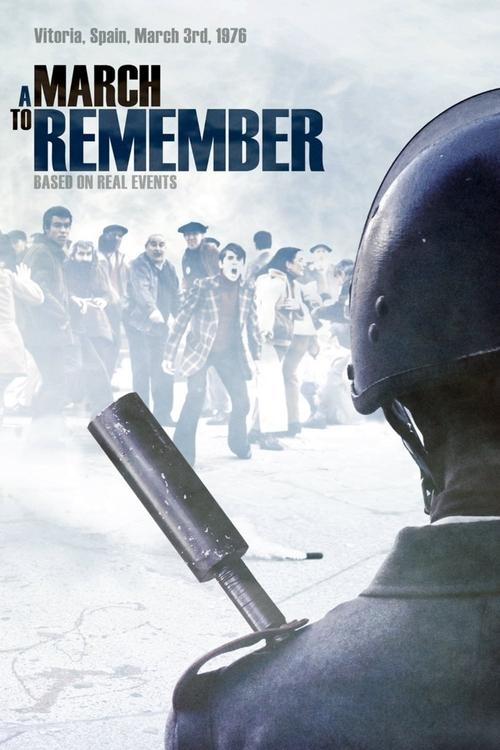
A March to Remember primarily serves as a socio-political critique of institutional power. By focusing on the 1976 Vitoria general strike, the film shifts the historical perspective from state-led stability to the actions of the working class. The narrative structure effectively challenges traditional historical clichés by positioning the state as the antagonist against grassroots movements. This focus on systemic conflict provides a solid foundation for storytelling centered around class and culture. However, the film lacks depth in addressing multiple aspects of identity. The absence of LGBTQ+ identities, specific gender roles, and disability representation limits its scope as a comprehensive study of human diversity.
Category Breakdown
The film does not include any LGBTQ+ characters or narratives. It assumes everyone is heterosexual and cisgender.
The story centers on many workers, but it is unclear if women play a significant role in driving the plot. The score reflects a typical historical drama.
Set in the Basque Country, the film highlights regional identity and class struggle. Without specific casting details, the depiction of racial diversity is moderate.
The film provides a sophisticated critique of state authority and institutional power. It portrays the struggle for better working conditions as a challenge to traditional power structures.
There is no mention of characters with visible or invisible disabilities. The film does not address disability representation.
Present on Screen
Limited or Absent
Official Synopsis
Vitoria, Basque Country, Spain, March 3, 1976. After several months of protests demanding decent working conditions, a general strike is called. Thousands of workers gather at the church of San Francisco while a hundred heavily armed policemen wait to act.
1974
1954
1975

2020

1971
1987

1981

2012
No reviews yet. Be the first to share your thoughts on this movie!
Use the rating form above to leave a star rating and optional review.