Strikebound
1984
No user ratings available yet
Representation score: 3.0 out of 10
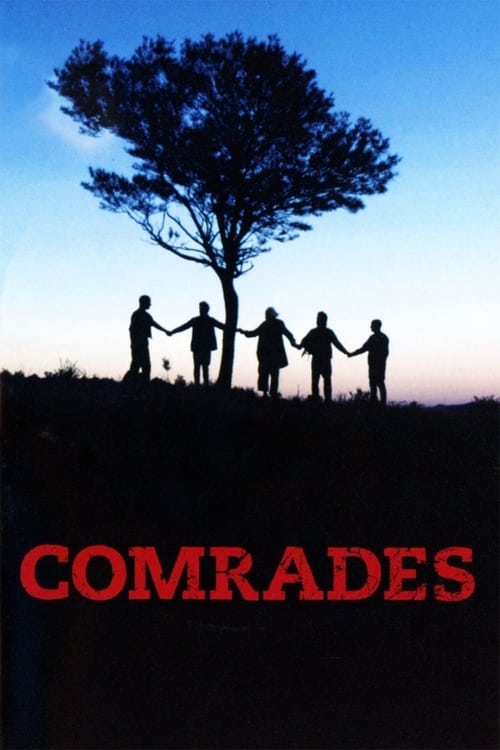
Representation Score
Fair
1987
Director
Bill Douglas
Runtime
183 minutes
Average Rating
No ratings yetNew Showbiz Analysis
Comrades is a social realism film that emphasizes class struggle over multi-layered identity. It effectively critiques capitalist structures and the stability of economic institutions through the lens of the proletariat. However, it lacks representation for LGBTQ+ identities and racial diversity, focusing instead on a homogeneous Scottish working-class setting. The film also portrays traditional gender roles without challenging them.
Category Breakdown
There are no LGBTQ+ characters or narratives in the film. The story centers around the labor movement without including any LGBTQ+ identities.
Female characters are portrayed in traditional domestic roles while men are shown in industrial labor. Women play minor roles in the main political struggle and have limited ability to act.
The film focuses on the Scottish working class and the cast is homogeneous, reflecting the demographics of the time.
The narrative critiques capitalist structures and systemic failures, emphasizing community solidarity over religious or individualist solutions.
No characters with specific disabilities are highlighted. The film uses poverty and industrial decay to illustrate the physical toll of systemic neglect.
Present on Screen
Limited or Absent
Official Synopsis
The story of "The Tolpuddle Martyrs". A group of 19th century English farm labourers who formed one of the first trade unions and started a campaign to receive fair wages.
1984
1987
1975
1954
2011
1971
1978
2015
No reviews yet. Be the first to share your thoughts on this movie!
Use the rating form above to leave a star rating and optional review.