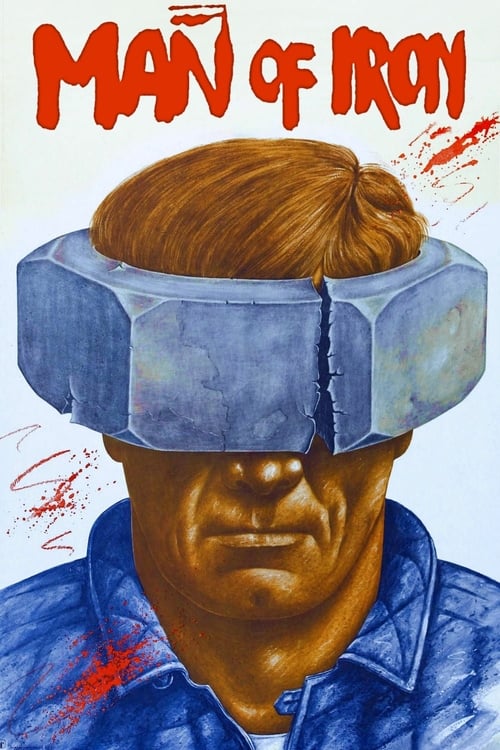
Man of Iron
1981
No user ratings available yet
Diversity score: 5.2 out of 10
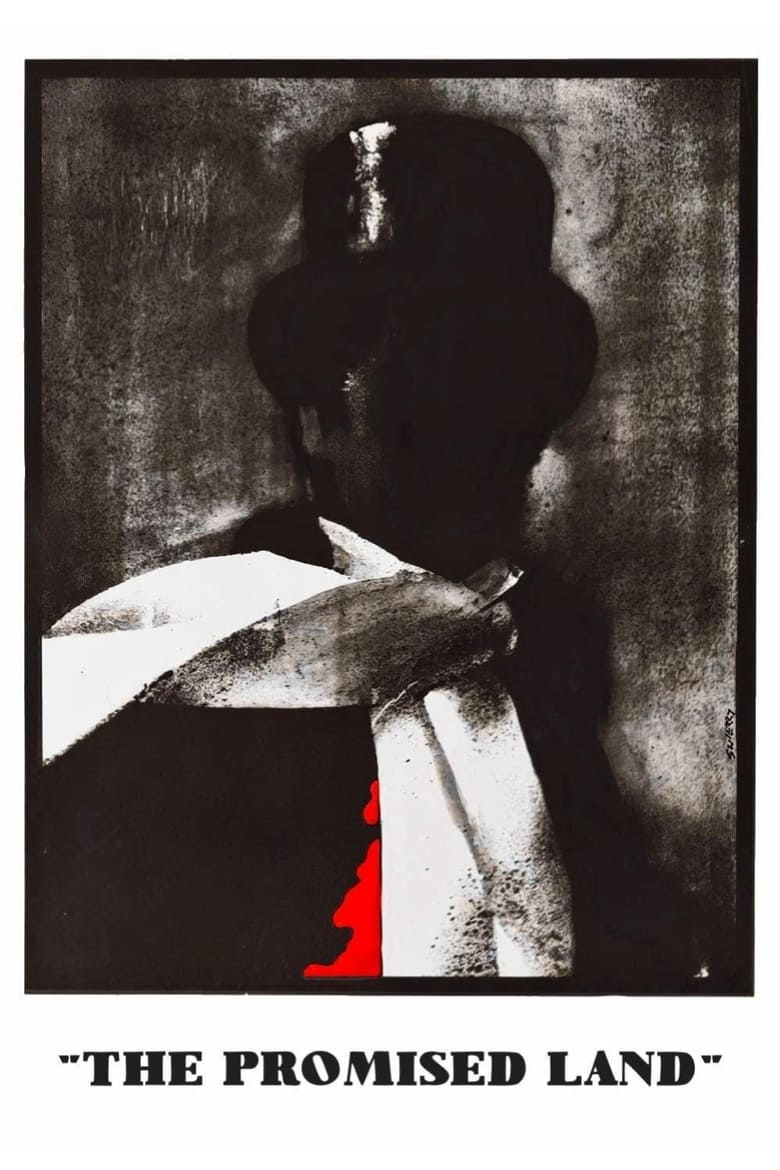
1975
Not RatedDirector
Andrzej Wajda
Runtime
179 minutes
Average Rating
No ratings yetSynopsis
In nineteenth-century Łódź, Poland, three friends want to make a lot of money by building and investing in a textile factory. An exceptional portrait of rapid industrial expansion is shown through the eyes of one Polish town.
Overall Score
Fair
Category Breakdown
LGBTQ+ Representation
The film lacks any discernible presence of queer narratives or non-heteronormative identities. The story remains strictly focused on the socioeconomic hierarchies of the industrial revolution.
Gender Representation
Women are depicted through the lens of transactional social structures and marriage. While this highlights systemic patriarchal inequities, it offers little in the way of nuanced female agency.
Racial & Ethnic Diversity
The film captures the ethnic friction between Polish, German, and Jewish identities in the textile industry. It effectively portrays the cultural blending necessitated by rapid urban expansion.
Religious & Cultural Diversity
Wajda provides a profound anti-capitalist critique, framing industrial progress as a site of moral decay. The narrative effectively deconstructs class struggle and the corrosive nature of greed.
Disability Representation
Disability is not a central theme. Characters with disabilities appear only as incidental reflections of the harsh physical realities and the toll of industrial labor.
Strengths
Areas for Improvement
AI Analysis
The film is a visceral, systemic critique of 19th-century industrialization. It excels at deconstructing power dynamics and class structures, offering a sophisticated intellectual framework that challenges capitalist hierarchies. However, individual representation is limited by the historical setting. The narrative focuses heavily on socioeconomic status, leaving little room for nuanced portrayals of gender agency or queer identities. Ultimately, the film's strength lies in its cultural and ideological depth rather than its breadth of diverse character archetypes.
1981
1931
1987
1971

2001
1939

1957
1972
1990

2019
1976

2010
No reviews yet. Be the first to share your thoughts on this movie!
Use the rating form above to leave a star rating and optional review.