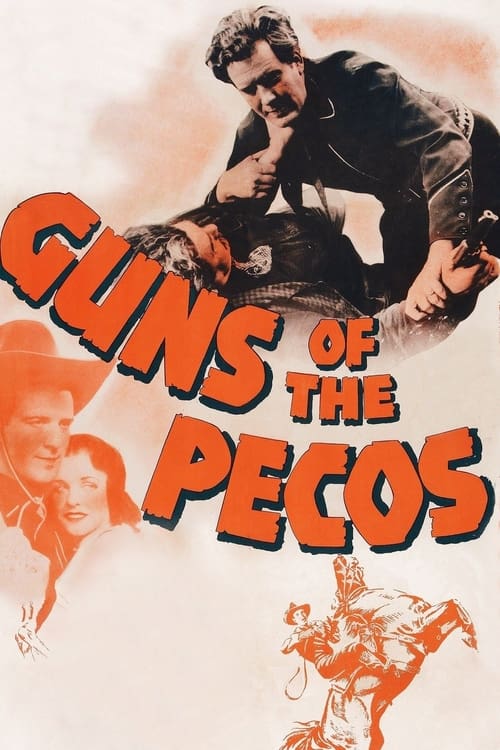
Guns of the Pecos
1936
No user ratings available yet
Representation score: 1.3 out of 10
Representation Score
Minimal
1951
TV-GDirector
John English
Runtime
70 minutes
Average Rating
No ratings yetNew Showbiz Analysis
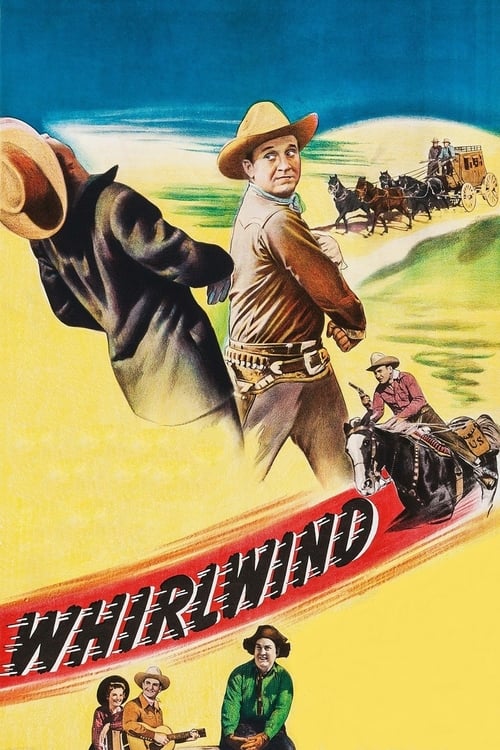
Whirlwind is a typical mid-century Western that prioritizes genre clichés over challenging conventional norms. The narrative structure reinforces traditional hierarchies, focusing on masculine control and the preservation of established legal orders. The film functions as a standard genre piece where characters fulfill specific roles within a conservative framework. It lacks the intentionality needed to disrupt conventional power dynamics or demographic norms. Ultimately, the production reflects the homogeneous casting and social structures of its era, focusing on the protection of institutional integrity rather than diverse representation.
Category Breakdown
The film follows the strict social structures typical of 1951 cinema, with no LGBTQ+ characters or non-straight relationships.
Gail Davis plays a key role but mainly serves as a catalyst for the male leads. Her role does not grant her much control over the story.
The film maintains a traditional perspective focused on white characters. There is no evidence of a multi-ethnic cast or characters from underrepresented groups having significant roles.
The plot emphasizes protecting property and legal institutions through a postal inspector, aligning with mid-century values of stability and upholding law and order.
There is no evidence of characters with visible or invisible disabilities within the story.
Present on Screen
Limited or Absent
Official Synopsis
A singing postal inspector (Gene Autry) and his partner (Smiley Burnette) save a woman's (Gail Davis) estate from fraud.
1936
1940
1948
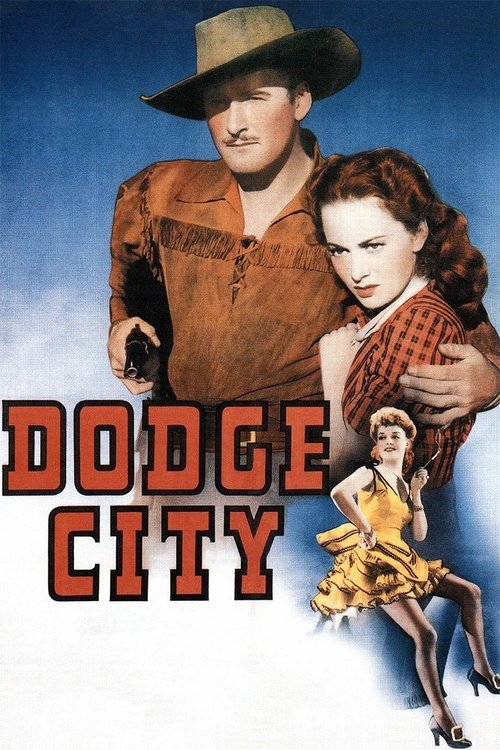
1939
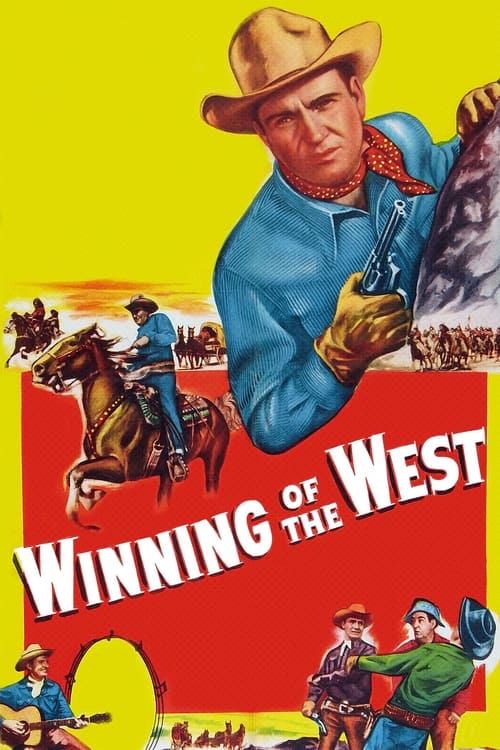
1953
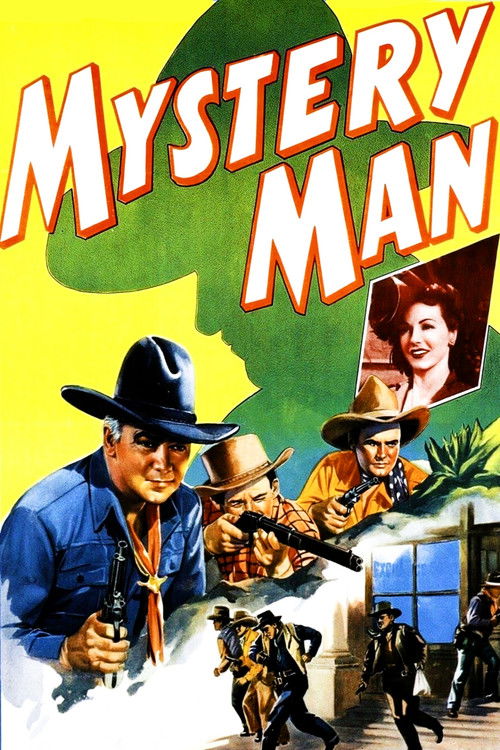
1944
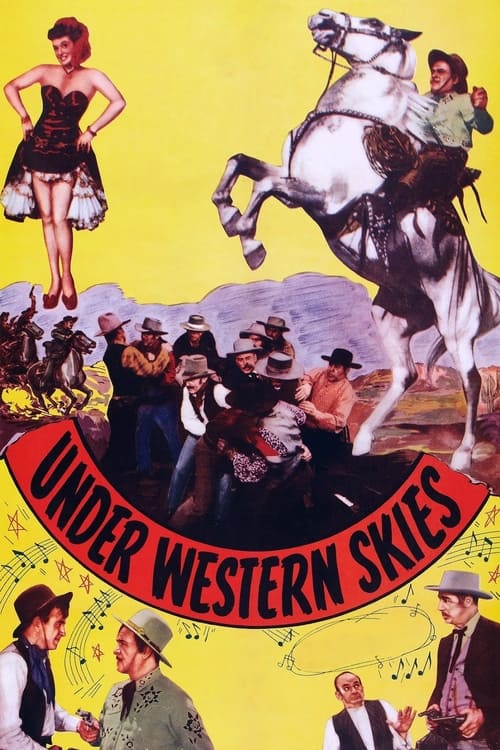
1945
1946
No reviews yet. Be the first to share your thoughts on this movie!
Use the rating form above to leave a star rating and optional review.